My dad once told me, “The older you get; the more you realize that its all the good things that bring the tears.” The older I get the more I realize how right Dad was about so many, many things.
I will never forget my first live look at Fenway Park. It was Family Night, July 5, 1960. The Red Sox were hosting the Baltimore Orioles. They were mired in the throes of an abominable season, 18 games behind the Yankees and in last place. However, there were bright spots, Pete Runnels (2B) was leading the league in hitting and along with Frank Malzone (3B) had been voted to the AL All Star starting squad. Bill Monbouquette had been chosen for the pitching staff and Ted Williams, playing in his final season, was chosen for his 18th and final Mid-Summer Classic; a reserve outfielder, having hit home run number 500 just two weeks prior.
The game itself was, well, a massacre. In boxing parlance, it was an early knockout. Red Sox starter Tom Brewer was lifted with one out in the fourth inning, trailing 4-0, having surrendered seven hits and walking two and when the Sox came to bat in the bottom of the fifth, they were down 8-0.
However, there were the bright spots. In the bottom of the first, Ted Williams doubled off the left field wall. Vic Wertz followed with a walk, but the inning ended when Chuck Estrada Struck out Frank Malzone.
The last Topps card of Ted Williams is 1958 because in 1959 he signed his own deal with Fleer which printed an entire Ted Williams series of 80 cards. He also has a single 1960 (above) and 1961 Fleer card. He walked in the third and flied to center in the fifth before being removed with the Red Sox trailing 8-2.
The second bright spot came in the bottom of the fifth inning. With one out, Pete Runnels walked and after Ted Williams flied out to center, Red Sox first baseman, Vic Wertz blasted a bomb over the 420-foot marker in the triangle in centerfield, the 236th homer of his career.
Vic Wertz had an excellent career, playing 17 seasons with five teams, hitting .277 with 266 homers and 1178 RBI. Signing with the Tigers in 1942 it wasn’t until 1947 that he made it to the “Bigs”. He served 22 months with the 81st Infantry Division in the Pacific during WW II. A four-time all-star he is eternally linked to Willie Mays, having been the guy who hit the ball in the 1954 World Series which Willie Mays turned into “The Catch.” He played three seasons in Boston, 1960 being his best. He hit .282 with 19 dingers and a team leading 103 RBI.
The game’s third bright spot came in the bottom of the ninth when “Pumpsie” Green pinched hit for pitcher Ted Wills. Following a leadoff walk to Don Buddin, “Pumpsie” ponded one into the Red Sox bullpen accounting for the 9-4 final.
“Pumpsie” broke the color barrier for the Red Sox in 1959 and was one of my first favorite players, because the guy was a switch-hitter! A marvel my young eyes had never seen before. He played five seasons, four with Boston and one with the Mets as a utility infielder. On this night I saw home run number three of his 13 career jacks.
I opened by saying I would never forget my first look at Fenway and that is indeed a fact. However, everything within this recap of the game itself I have recreated, God bless baseballreference.com. The fact is that what still lives in my mind’s eye bookends the game. I remember walking towards Fenway, the lights glistening, glimmering, shimmering in a magical waltz bringing daytime to the darkness. And as the curtain of the mind’s theater rises, I can hear the words of Dylan “…To dance beneath the diamond sky with one hand waving free.” Walking up the ramp behind the third base grandstand, stopping dead in my tracks, never had I seen anything so beautiful, so perfect, so pure. Dad pointing toward left field “That’s where Ted Williams plays.”
Game’s end, waiting outside the players parking lot at the corner of Jersey and Ipswich Streets hoping to catch a glimpse of someone but seeing a bus which was being boarded by the Oriole players. A window was open towards the rear unveiling the smiling face of a young man. I asked if he would sign my program, and Dad lifted me to hand it to him. It was this dude!
Chuck Estrada was a 22-year-old rookie, making his 11th career start who had just pitched a complete game 9-4 win, walking nine and striking out seven Red Sox. He went on to an 18-11 season leading the American League in wins. I don’t know what his velocity was that night, or his spin rate or how many pitches he threw (a helluva lot more than 100 for sure), all I know is he made a seven-year-old lad pretty happy, and the Baltimore Orioles became my “second favorite” team for life.
“Time to go to Cooperstown.”
It was just after 4:00 am, July 25th, 2024. I quietly slipped into his room. He was sound asleep, facing the wall and I gave him a gentle nudge, then another, then another. As he began to stir, I whispered to him, “hey buddy, it’s time to get up, time to go to Cooperstown.” He rolled onto his back and raised his arms straight over his head, instantly wide awake! Nearly 1300 miles separated us from our destination and on that first day we were shooting for Lexington Virginia 826 miles away.
We rolled out of Owen’s driveway at 4:32, and for the first hour or so we chatted it up. He wanted to know the details of our journey. I broke it down for him. Lexington, Gettysburg and on to Cooperstown. It was still dark when he fell off to sleep and he slept until we got to the Florida/Georgia line. He was hungry and our first stop was a Georgia Starbucks where he got one of his favorites, Pumpkin Bread, “warmed up please.” He also learned lesson one of life on the road, never pass up a chance to pee.
My seven-year-old pal also had an epiphany along the way… “Papa”, he said to me pretty much out of the blue, “I like naps now.” This from a lad who fought sleep for the better part of his first five years of life. “I don’t like to sleep Papa, it’s just not my ting.” And on four different occasions, throughout our first day he simply tapped out. “I’m going to take a nap now; I can’t believe how tired you get just riding in a car.” In between naps we played the alphabet game, listened to music, chatted about nothing and everything, and he always said, “wake me up when we’re in the mountains, don’t let me miss anything.”
After 14 hours on the road, we checked into the Country Inn Suites in Lexington and then it was off to Jersey Mikes for a turkey sub (grain bread) with white American cheese, lettuce, white onions and mayo, after which it was PJ’s and a little TV. Very little, I got out of the shower, and he was gone, day one in the books.
“I wanna go to Little Round Top.”
We were a little over 200 miles from Gettysburg which meant we could sleep in, and more importantly, have waffles for breakfast, and Owen’s favorite part… “you know breakfast is free Papa…I love hotels” We got on the road about 6:30, hit the first Starbucks we came upon, a coffee for Papa, pumpkin bread (warmed) for O.
When you come to Gettysburg from the south after leaving Interstate 81, you are treated to the glorious vista of the Shenendoah Valley. Weaving your way through the Blue Ridge Mountains is an exquisite exercise in exhilaration of which one never grows weary. It was not lost on Owen as he gazed upon the landscape. “Papa, they are blue, the tips of the mountains are blue.” The last hour of the drive is spent meandering through the mountains on John Denver’s winding country roads passing Arlo Guthrie’s houses, farms and fields. And you can almost hear the whispers of yesterday and those men who toiled, marching toward that small little town of 2500 where 50,000 of them would meet their fate.
Owen’s very interested in history, and he’s seen a few clips of the movie Gettysburg, including this one.
“I want to go to Little Round Top Papa” he said to me more than once and that was first on the list. As we began to wind our way there…This splendid edifice caught Owen’s eye.
“Papa, what’s that”, he asked. “The Pennsylvania Monument. The name of every single man, from the state of Pennsylvania, who fought here is on that monument. Want to drive by it?” Of course, he said yes, and as we approached, he noticed the men in bronze and immediately recognized one of them. “Papa, that’s Abraham Lincoln, you should pull over, I think we need to spend some time here.”
Pull over we did and for the next 45 minutes or so, Papa had the joy of watching his young charge drink in the grounds of this magnificent, hallowed place which in so many ways embodies the very soul of our nation.
We took the requisite photo with the Great Emancipator peeking over our shoulders and then made the walk to the top where we viewed the battlefield from seventy feet above the earth. From East Cemetary Ridge to Little Round Top itself, it all came into view and when his insatiably curious mind had seen enough, we were off to Little Round Top, to pay our respects to Colonel Chamberlain and his men of Twentieth Maine…
For nearly three hours we scoured Little Round Top. We covered every inch, read every monument, every marker, every word that was to be read. From embronzed General Gouverneur Warren to the Twentieth Maine’s flanks (found by Owen) and everything in between.
We had lunch at Gettysburg Eddies and then made one last loop around the area of the battles first day of activities. We paid our respects to General John Reynolds who, if he had not fallen at Gettysburg, may well have been named Commanding General of the Army of the Potomac.
The spot where General Reynolds fell on the morning of Day I.
At approximately 3:30 we bid Gettysburg adieu, and we were northbound with Cooperstown in our sights, 295 miles away. The plan was to get within two hours of the Hall of Fame and bed down for the night. A couple of traffic snags slowed us a bit and we arrived in Scranton Wilkes Barre at about 7:15, checked into the Sleep Inn, found Jersey Mike’s and we were done for the day.
“I want to find Babe Ruth’s plaque.“
The Hall of Fame opens at 9:00 am and we were 160 miles from their front door. We left at six sharp and after the Starbucks stop for our morning essentials we were on our way. Rolling into downtown Cooperstown at 8:37, we found a place to park, on the street no less, and at 8:50 we were poised, ready and waiting for the keys to the kingdom to open the door.
Owen’s forte is not patience, and the ten minutes out front waiting were a chore for the little fella. “What do you want to see first?” I asked him and his answer was a symphony to my heart, “The plaques, I want to find Babe Ruth’s plaque.” As the time drew close, Owen weaved his way to the front, and he was the first one in when it opened. A very nice man named Bill took care of us and then came…
THE MOMENT!
“Seek and ye shall find.”
We spent fifteen minutes together in this shrine, just Owen, me and the immortals after which, a Hall of Fame docent named Jake appeared. A delightful young man with a passion for the game showed Owen how to use the legend to find where each plaque was hung, and Owen was off and running.
And he found favorite player number two, or should I say number 42 and I captured him as he began his leap to touch Jackie’s plaque, reaching for immortality.
We snapped a photo with Babe and Ted…Three lefties, then headed upstairs looking for “The Babe.” And we found him, all over the place.
For about six hours we strolled through various parts of the museum and as we were making our way out, his eye caught a glimpse of this…
One last traverse around this small room rich with the art of baseball.
He looked at every piece, sometimes going back three or four times and then…He was done!
It was back to the car and the four-hour drive to Boston for the culmination of the drive north, to see his cousin Jack! “So” I said to him as we were getting into the car. “How long before you fall asleep.” He laughed, “About 15 minutes.”
He was 100% spot on! And he spent three hours of the final leg of our journey, napping, his new favorite thing.
It was about 7:30 when we rolled into the Cappellini driveway in Hanson MA. Jack and Owen picked right up where they’d left off last summer.
The next morning, I made my always first visit, only this time I had company.
The boys planted a tiny rose bush paying respects to their grandmother, aunt, great grandparents and great aunt and uncle. A lot of connections.
The First Fenway Visit.
Another seminal event in Owen’s young life was on tap for Monday night July 29th, his first trip to Fenway. Well, not really the first.
That came in July of 2017, but he was only seven months old at the time of the tour and his memory of that auspicious event is a bit cloudy. This night would be different, very different. A two-year veteran of T-Ball/Little League baseball, this lefty hitter and lefty hurler has already decided he’s going to pitch and hit, “just like Babe Ruth.”
We were heading into Fenway for a night game with Seattle. Thirteen of us, cousins and aunties and grandpas and friends,
and… Mom.
The game was made to order. For anyone bringing a seven-year-old to their first game at Fenway, or Wrigley, or any ballpark in any city, you would order up an action-packed contest with lots of hits and of course, the home team winning. And that’s exactly what we got.
In the bottom of the third inning with runners on first and second with one out, Jarren Duran hit a ground ball back to the pitcher who threw to second for the force out. However, Durran’s hustle and speed prevented the inning ending double play. After Durran stole second (questionable call), Connor Wong scored on a wild pitch which was followed by Wilyer Abreau’s 12 pitch at bat ending in an RBI single. Masataka Yoshida then launched a bomb into the right centerfield bleachers, right down in front of us and the score was 4-0. Toshida’s dinger was followed by an array of doubles: Devers a line drive deep into the corner in right, Tyler O’Neill a ground ball down the third base line which made it to the left field corner, Domenice Smith a bloop over short and the creme de la creme, Connor Wong a towering shot of the left centerfield wall, his second hit of the inning. And when the dust settled, the Sox lead 7-0.
Jack, Owen and Papa after Connor Wong’s homer, the third Sox dinger of the night.
The game was a Red Sox rout, they pounded out 16 hits, hammered three dingers and clocked eight doubles. The final was 14-7. A splendid time was had by all!
Clearly evident on the faces of two cousins!
The summer’s come to an end, the kids are back at school and the memory of a night spent at America’s Ballpark lingers. My dad once told me, “The older you get; the more you realize that its all the good things that bring the tears.” The older you get the clearer the moments, the true measures of life, become.
I smile at the thought of a 70-year-old Owen, taking his grandson to Fenway for the first time, and telling him all about his first trip to Fenway. The night we “dipped ourselves in magic waters” and had a party in the centerfield bleachers!
And so it was on this date, July 29, 2024
Rest easy Mr. Jones and thank you. The voice may be silent, but it will never be gone.
The American Heritage Dictionary defines the word tradition as “the passing down of elements of a culture from generation to generation especially by oral communication.”
June 27th, 2024 marked the 26th year since the passing of my dad. Throughout the years, I have marked that day, with a tradition. It is a subject of which I’ve written about here a number of times, but never in this vein, for this year I shared the tradition with Dad’s great-grandson, Owen.
He’s seven. He’s a bright little fella with a wildly curious mind. I think it’s safe to say that he’s a “certifiable sports nut” Not a surprise really, his dad’s an athlete and is now a volleyball coach, his mom and aunt were College All American Volleyball players, and his older brothers are soccer enthusiasts. He has an uncle who coaches baseball, another who coaches soccer, an aunt who coaches swim, another who’s been a volleyball coach, a cousin who plays college volleyball, another who will be swimming in college next year, cousins who are playing varsity soccer and, well you get the picture. Suffice to say he is in a family in which participation in sports is a high priority and worthy pursuit. He will watch any sport on TV, and he’s recently learned how to do research on a computer helping me gather data for a future story.
There are two sports he shares with his Papa (that’s me).
This…
And that!
It’s not a surprise really, for Baseball and Golf are the two sports which are, in fact, the greatest metaphors for life known to humankind. And this little dude’s been looking at me from behind his eyes since he was six months old!
This story is about the that.
My dad loved to play golf. He took it up later in life but pursued it with the passion of a youth and the heart of a child. He once said to me that “golf is the great equalizer of men because there is no one alive who has played the game, that has not been humiliated by it.” It is a phrase I often utter and in all my years of playing, I have not found one person who disagrees.
Two years before he passed, he gathered his four children to inform us that his funeral plans were all in place. He would be cremated, and he had a few places where he would like his ashes to find rest. One of them was the green where he achieved his first, last and only hole in one. Another was the beach where he liked to walk in the winter when the weather would not allow him on the golf course. “Put some of me with your mother and after that”, he said, “I don’t care what you do with me.” And that’s where this story begins.
What to do with Pop? A few days after his funeral, we picked up his ashes and gathered in his home. We covered his kitchen table with newspapers and literally divided him up. Surreal doesn’t even begin to describe the experience, but however bizarre it seemed and indeed was, it was a loving, caring and deeply moving event. We laughed, we cried, and we remembered, all the things we always did around that very table. Everybody took their share of Dad.
The decision about the majority of his cremains was really quite simple. His neighbor was his nephew Jim, his wife Arlene and their boys, Chris, Patrick and Sean. They were glorious neighbors and Arlene and Dad worked out a sign. Every morning when Dad got out of bed, he’d raise the curtain in his window which faced her kitchen door. She checked on him every day for years. We planted a tree in their backyard about two hundred feet from his bedroom window and placed his ashes beneath its roots. And just as they’d done in his life, so they do for him now, still looking after him.
The lovely Marie took enough of him to carry out his wishes, spreading his ashes on his hole-in-one green at Lost Brook Golf Course in Norwood, where they’d met.
And along the shores of Nantasket beach where they had walked many a walk.
A couple of weeks later we gathered at “Mom’s” and placed him in the ground above her. And as it had at his funeral service, in Duxbury MA, the penetrating voice of Andre Bocelli accompanied by Sarah Brightman, cascaded over the final resting places of thousands in Weymouth Mass., Dad’s adopted hometown.
There was then, of course, the trip to Fenway. It was a July Friday night, and the Blue Jays were in town. My buddy Paul and I headed in and with us was well, a bit of dad. Wandering about watching pregame activities, we worked our way toward the field and as the National Anthem was played, Dad’s ashes fell to the warning track in front of Pesky’s Pole. A few weeks later, I had the opportunity to attend a luncheon held at Fenway Park, honoring Babe Ruth, after which came the Red Sox Twins game. For three innings, I sat next to Red Sox GM Dan Duquette, and we talked a lot about The Babe. I also “confessed” to him what I’d done just a couple of weeks earlier with Dad’s ashes. He looked at me with a smile and said, “not one of these players have any idea that every time they slide into second base, they are sliding into countless grandpas.” Well, Pop never had anyone slide into him, but each time that Pesky’s Pole comes into view on my TV screen, it brings a smile to my face.
Next, I had to decide what I wanted to do with my share of Dad and Paul’s wife Dennise gave me the best idea…”put him in a baseball holder”, and that’s exactly what I did.
Dad now sits proudly in a cabinet in my living room with photos and trinkets which tell the story of the life he shared with his wife and family.
With the “distribution” of Dad complete, the only task which remained was “What to do with the rest of him?” The solution was an easy one.
This is the 18th hole at the Lake Venice Golf Course in Venice FL, my adopted hometown. It was the last golf course Pop was ever on. It was January 21, 1998, and Dad, though unable to play, drove the cart and kept score as my sister-in-law Paula, and I took on my brother and a friend. Paula and I won!!
We all signed the card, and that card now sits with Dad in his place of honor in my home.
Lake Venice would be where the remainder of Dad’s cremains would take their rest. It was Father’s Day when Dad’s second son and fourth grandson headed to Lake Venice to play a round of golf. I carried him in my bag and when we finished the round, together we scattered them in the lake in front of the 18th green, forging a link in the chain of family.
Now the tradition. Throughout the years just before sunset on Dad’s birthday and on the anniversary of his passing, I make my way down to Lake Venice and play the 18th hole. On several occasions, I have found a green golf ball, sometimes in the water, sometimes on the edge of the woods and once there was one just sitting on the green. Dad played green golf balls and I came to view these occasional gifts as his way of just letting me know, he’s around. I took each one of them home and they now sit in his cabinet.
On this year’s date, Owen was staying with me and as sunset approached, I told him we were going to the golf course. I brought him to Dad’s cabinet and told him the story of his “Big Papa’s” ashes. He loves history and is always hyper curious when we talk of his family history, and he likes the fact that his middle name is my name. As I was telling him about my tradition of going to play Lake Venice’s 18th hole and why I do it. He stopped me. “Wait a minute Papa” he said, “you have the same birthday, the same name and the same Grandpa name.” He smiled at me and as I smiled back, I said, “When he got older, I called him Papaluche.”
So, it was off to Lake Venice.
Owen managed to avoid the water, no easy task, which, as you can see in the photo, encroaches the entire left side of the hole all the way to the green. He got there in three! Putting? Another story, but we’re working on it.
We didn’t find any golf balls, green or otherwise, however there was no doubt of Dad’s presence, it was everywhere, especially in the hearts of his seven-year-old great grandson and his older than seven-year-old son.
We headed home and the following morning when Owen got up, he wanted to putt a little.
He took the cup we use as a hole when we practice putting in my hallway. I heard him scuffling around in his bag, getting some golf balls. He walked out of his room and gave me a smile as he opened his hand. “Green golf balls” he said, “for Papaluche.”
We headed out for breakfast; a tradition Owen and I began together, and which has begun to grow. PANCAKES!
We picked up his cousin Henry and it was off to the “pancake store.”
And as the tradition grows, I am reminded of the words of that great philosopher Tevye of Anatevka…”Who, day and night must scramble for a living, feed a wife and children, and have the final say at home? the Papa, the Papa TRADITION. the Papa, the Papa TRADITION…” The Papaluche would be proud.
The All-Star break is here; a time held baseball tradition that dates back to 1933. For 89 times baseball has paused to celebrate its best players from each league in a one game contest with the prize being simply pride. From 1959 through 1962 there were two games played each year and thus 93 games have been played. The teams head to Arlington Texas for this year’s contest with the American League holding a three-game edge having won 47 while losing 44, there have been two ties. In baseball’s honor let’s take a look at the iconic 1941 All-Star game played in the middle of one of baseball’s most iconic seasons.
On July 1st of the historic 1941 baseball season, Ted Williams was one of five Red Sox players named to represent the American League in the ninth annual “Dream Game.” The 22-year-old outfielder was joined by teammates: Bobby Doerr, Dom DiMaggio and Jimmie Foxx; who was named to his eighth straight American League squad. Player manager Joe Cronin rounded out the Red Sox five.
Eight days later Williams and his .405 average were batting clean-up for the American League at Briggs Stadium in Detroit. Hitting in front of him was Yankee centerfielder Joe DiMaggio. Widely recognized as the greatest player in the game, the Yankee Clipper entered the game with a 48-game hitting streak. He had surpassed George Sisler’s American League record of 41 games set in 1922. And just days earlier he supplanted Willie Keeler’s Major League record of 44 games straight in 1896.
THE FIRST HALF OF ’41’
A “twisted ankle” relegated Williams to pinch hitting duties for the first six games of the ‘41’ campaign and following his first start, the Red Sox were in first place sporting a 5-2 record. When April came to an end, he was hitting .389 in only 19 plate appearances. The opening two games of May saw Ted go 1 for 8 and dip to .308, the low watermark for his season. The following day he hit a ground ball single up the middle in Cleveland launching him on a 23-game hitting streak, which culminated in a 2 for 4 night on the sixth of June leaving the lanky lefty sitting on a batting average of .436.
Meanwhile 200 miles down the road in the Bronx, it was mid-May, and the Bombers were stumbling along. Losers of four straight games they engaged the Chicago White Sox in a Thursday afternoon contest in Yankee Stadium. The Chisox scored twice in the top of the first and in the bottom of the frame, Joe DiMaggio singled in Phil Rizzuto to cut the lead in half. It proved to be the only Yankee run of the day, while Chicago piled on a dozen more. It was their fifth straight loss leaving them in fourth place 6 ½ games behind the Indians with the White and Red Sox between them. Under a headline which read “Yankee Hitters Join in Collapse, DiMaggio, Keller Among Culprits”, Brooklyn Eagle scribe Ben Gold called the pitching staff, “the worst to represent the New Yorkers in more than a decade.” He followed with a rebuke of their flaccid offense. Noting a homerless stretch of over a week, Gold admonished the heart of the offense; “…Not only are the Yanks deficient of hitting homers but…their three key men, Joe DiMaggio, Charlie Keller and Joe Gordon are driving McCarthy to the aspirin cabinet.” Ninety-two days and 119 hits later, Joe DiMaggio was hitting .381, the Yankees were in first place 12 ½ games ahead of the Indians and 18 games up on the third place Red Sox. And manager Joe McCarthy’s need for the “aspirin cabinet” vanished. Joe DiMaggio completed an unprecedented streak in the annals of baseball. A feat that continues to echo down through the ages, hitting safely in 72 of 73 games including the inconceivable stretch of 56 straight games.
Catching up with Ted Williams at the All-Star game, United Press correspondent George Kirksey observed, “Long, Lanky Ted is easy to interview because he loves to talk about hitting. I asked him if he had any desire to hang up a consecutive game hitting record like Joe DiMaggio. ‘I sure have’ came Ted’s reply, ‘I want to break every hitting record in the book. When I walk down the street, I’d like for them to say, there goes Ted Williams, the best hitter in baseball.'”
“Joseph The Great” broke Willie Keeler’s record, in Yankee Stadium on July 2nd, with a home run (bottom photo) off of Red Sox hurler Dick Newsome, giving the Yanks a 5-0 lead and driving Newsome to the showers.
On June 25th, the Red Sox thumped the Indians 7-2 at Fenway Park, with Ted Williams hitting his 14th home run of the season. The win brought the Sox to within two games of the Indians and Yankees who were in a virtual tie for first. One week later following a Yankee sweep of a three-game set with the Sox, the pennant race was virtually over. It was the Red Sox fourth straight loss, their seventh in eight games. A modest four game win streak closed the season’s first half getting the Sox to within 7 1/2 games. They would draw no closer and by the end of July, 16 1/2 games separated them from first place. September first they were 19 1/2 out and they finished the season winning 13 of their last 17 games securing a third-place finish, 17 games behind the pennant winning Yankees.
THE ALL-STAR GAME
A crowd of 54,674 jammed Briggs Stadium for the 2:30 start. Manager Del Baker named Bob Feller, the Indians’ 22-year-old phenom flamethrower to start for the Americans while National League skipper, Bill McKechnie, tabbed 33-year-old Dodger righty, Whit Wyatt. Winner of five of the eight games played, the American League was seeking to bounce back from a 4-0 loss in St. Louis in 1940, the first shutout in All Star competition.
Whit Wyatt pitched for nine seasons in the American League going 26-43 with a 5.22 ERA and an ERA+ of 88. Signed by the Dodgers off of an Indians minor league roster in 1938, he pitched six seasons in Brooklyn where he went 80-45 with a 2.86 ERA and an ERA+ of 128. He was a four-time all-star and twice lead the league in shutouts. He faced six batters in his two innings in the ’41’ classic. He walked Ted Williams leading off the second inning, but he was promptly erased on a double play.
Hall of Fame bound Bob Feller joined the Indians at the age of 17 in 1936, striking out 76 batters in 62 innings. He finished the 1941 season having led the league in wins three straight years and strikeouts four times in a row. He had an ERA+ of 136 and 1,233 strikeouts. And he was 22!“Rapid Robert” also faced the minimum in his three-inning stint, surrendering a single to Reds second sacker Lonny Frye who was then gunned down trying to steal second. Feller fanned four and when he left the game it was scoreless.
This was Ted’s second All-Star contest and upon his selection, the local Lynn Daily Item noted, “Williams who failed to connect in his two trips in the 1940 ‘dream game,’ will be a heartbroken youngster if he does not get at least one solid single…And it is likely that the majority of the spectators will be disappointed if the American League’s .405 slugger draws another blank.” His fourth inning RBI double down the right field line saved himself from a “broken heart,” the spectators from “disappointment,” and it staked the American Leaguers to a 1-0 lead. Both teams scored in their sixth inning and the NL Stars came to bat in the top of the seventh trailing 2-1. Enter this guy, Joseph Floyd “Arky” Vaughan.
Twenty-nine-year-old Arky Vaughan was in his tenth season as the Pittsburgh Pirates shortstop. He was playing in his eighth consecutive All Star game and was bound for the Hall of Fame. It was the top of the seventh and twenty-six-year-old Senators’ righty Sid Hudson was now on the mound. Enos Slaughter, another future Hall of Famer, was leading off. Hudson threw his first pitch and Slaughter smashed a line drive single to left, taking second when Ted Williams bobbled the ball. Vaughan stepped to the plate. He took the first pitch for a ball, and then launched a Hudson fast ball high into the Detroit afternoon landing in the right field upper deck and giving the NL team a 3-2 lead. NL skipper Bill McKechnie then handed the ball to Cub veteran Claude Passeau who disposed of the Americans in order in the seventh. Del Baker countered with White Sox southpaw Eddie Smith in the top of the eighth, and the NL squad picked up where they left off in the seventh. A double by Johnny Mize was sandwiched between strikeouts of Pete Reiser and Slaughter. Vaughan again stepped in and just as he had done in the seventh, he launched another 1-0 fastball into the upper deck at Briggs Stadium, becoming the first player to hit two homers in an All-Star game. The NL stars now lead 5-2.
Domenic DiMaggio, the Red Sox centerfielder and younger brother to “Joseph the Great,” made his first of seven All Star teams in 1941. He entered the game in the top of the seventh inning, playing right field next to big brother Joe.
Trailing 5-2 in their half of the eighth, the American’s Cecil Travis led off and fouled out to third, Joe DiMaggio doubled into the left center field gap and then Passeau caught Ted Williams looking at strike three, a very rare feat. This brought up Dom DiMaggio who, after fouling a ball off, lined a single to right center scoring his brother and cutting the NL lead to 5-3. Lou Boudreau followed with a single and advanced to second on an error. This brought up Jimmie Foxx, who just two days earlier had hit career home run number 512 (only Babe Ruth and Mel Ott preceded him with 500 career homers). With the lead run on second, Passeau threw three straight strikes past the aging slugger and the NL took their two-run lead into the ninth.
Eddie Smith vanquished the NL stars on seven pitches and just like that the Nationals were back on the field. Passeau was back on the mound becoming the first NL pitcher of the day to not leave after pitching two innings. The crafty veteran went right to work inducing Athletics catcher Frankie Hayes to pop up. An infield hit by pinch-hitter Ken Keltner was followed by a scorching line drive single to right center by Yankee second sacker Joe Gordon. Cecil Travis went down 1-2 and worked a walk loading the bases for none other than Joe DiMaggio. The talk of the baseball world, DiMaggio was riding a 48-game hitting streak and, in a doubleheader, heading into the All-Star break, went 6 for 9 against Philadelphia in Yankee Stadium. He fouled off the first pitch and swung and missed the second. He then hit a perfect double-play ball to short but an errant throw by second baseman Billy Herman pulled Reds first baseman Frank McCormick off the bag, keeping the game and the American’s alive. Keltner scored and Gordon moved to third. The score was now 5-4. This brought up Ted Williams.
Judson Bailey of the Scranton Tribune wrote, “There was an obvious dramatic tenseness as Williams, slender Boston Red Sox slugger with a batting average of .405, took his place in the box.” He was 1 for 3 on the day with a walk. His double in the fourth inning knocked in the game’s first run and following a flyball to center in the sixth, Passeau had caught him looking at strike three with Joe DiMaggio on second base in the eighth. He took Passeau’s first offering for ball one. After fouling off the next pitch, he looked at ball two. National League umpire Lou Jorda called for Passeau to toss the ball his way. Williams and catcher Harry Danning watched as Jorda inspected the sphere before throwing it out of the game. Danning took his position behind the plate. “The ball Ted hit was a fast ball about belt buckle high”, Passeau told the Boston Globe’s Hy Hurwitz. “I had struck Ted out the time before on a low outside fastball and that’s what I was trying to give him, but the ball got away from me, and I knew where it was going the second I released it.” He hit a towering fly ball which carried inside the right field foul line, banged off the roof facade, nearly leaving the ballpark, and bounced back onto the field as a grinning Williams bounded around the bases clapping his hands. The American’s had prevailed 7-5. Williams was greeted at home by Joe DiMaggio and first base coach Mervyn Shea as Joe Gordon looked on with a smile. A “youthful rooterrepresenting the spirit of all America, “leaped from the stands to join in the welcome.
“One lusty thrust of boyish Ted Williams’ bat, changed the glory and pride of aNational League victory into the bitter disappointment of defeat,” wrote the New York Daily News’ Jack Smith. “The 22-year-old Bostonian,” he continued, “whose .405 batting average has been overshadowed by the great hitting of Joe DiMaggio, hammered his way into the long overdue limelight…No movie plot could have been more thrilling.” Ted also deposed Arky Vaughan and his two homers from the All-Star hero’s throne.
National League skipper Bill McKechnie took some heat in the press for leaving Passeau in the game to face Williams. The aforementioned Jack Smith opined that the “usually astute Reds Manager had plenty of warning that Passeau was passe in the eighth inning…any number of NL fans will wonder why he didn’t lift the Cubs hurler.” St. Louis Star Times columnist Sid Keener dissected the move. “Second guessing opened high and wide as soon as DiMaggio strolled to the plate,” he wrote. A legitimate point to be sure, after all there were fresh right-handed arms in the bull pen and Passeau, after surrendering two hits, walked Travis after being ahead in the count 1-2. He seemed to be running out of gas. McKechnie’s decision to stay with Passeau seemed genius when Passeau got two quick strikes on the “Yankee Clipper” and then induced him to hit a tailor-made double play ball to short. After Herman’s throw was wide at first, “McKechnie had several choices from which to select”, wrote the St. Louie scribe, “He could walk Williams and risk the pot of gold on Dom DiMaggio, or he could play percentage baseball and use a left-handed pitcher against a left-handed swinging Ted Williams…National League supporters in firing verbal shots at McKechnie, would like to know why ye ole Deacon did not call for Hubbell.”
Aaaah, Mr. Carl Owen Hubbell. The “ole Deacon” didn’t have just any lefty at his disposal, he had Carl Hubbell, one of the game’s all-time great lefties. The two-time MVP was chosen for the NL All-Star squad for the eighth time. And of course, he had seared his name into All-Star folklore when in 1934 he struck out five AL Hall of Famers in a row. In the first inning of the second All-Star contest Hubbell was touched for a lead-off single by Charlie Gehringer and then he walked Heinie Manush. Up stepped “The Babe” who Hubbell caught looking, for out number one. This brought up Lou Gehrig who struck out swinging. Foxx followed and did the same. Al Simmons led off the second and continued the streak as he and Joe Cronin behind him went down swinging. “The Meal Ticket” threw 23 pitches to those five gentlemen and only Foxx and Cronin managed to put their bats on the ball, both fouling off a pitch. The Hall of Fame website reports that Hubbell’s five victims hit a collective .329 with a total of 13,452 hits and 2,208 home runs. Not too shabby! Nearly a century later, Hubbell’s feat is still recognized as one of the greatest moments in the history of the Mid-Summer Classic.
“Ye ole Deacon” chose not to walk Williams and “risk the pot of gold on Dom DiMaggio.” Rather he stuck with the baseball adage of not putting the winning run on second base. And he stayed with Passeau because he’d struck Williams out in his previous at bat and he ostensibly “got DiMaggio,” It was Billy Herman who let Joe D go, with his errant throw. “One pitched ball changed everything,” Keener wrote. “Williams, leveling with full power, cracked a mighty home run in the pinch, and McKechnie, hero of yesteryear, became the fall guy in 1941!” Tulsa World Sports Editor B.A. Bridgewater called the Deacon’s move “suicide”, opining “He’d (Hubbell) have had a better chance to get the batter out than the tiring Passeau, a fellow who had pitched a full game Sunday and was working on only one day’s rest.” Passeau’s complete game came in Pittsburg was a 2-1 loss in which he faced 30 batters.
The 1941 All-Star game elevated the rivalry that would permeate the game for over a half century.
THE YANKEE BIG BOY AND THE WILLOWY STRINGBEAN
The Red Sox opened the second half of the season with a 2-0 loss in Detroit. Ted went 0-4 ending the day under .400 for the first time since May 24th. This began a streak of five hitless games, his longest hitless streak of the season, after which he sat at .393. The following day under the headline, Ted and Dermage Battle It Out, Boston Globe reporter, Fred Barry wrote, “When a fellow cowtails all pitching in sight to the tune of a .400 hitting mark and remains in that figure for a lengthy spell, only to see headlines and fanfare stolen by some “third party,”- something has to be done. And it was done-and how…presented the one and only occasion to at least temporarily hurdle his ‘newspaper rival’ Joe DiMaggio, the willowy string bean of the Yawkey brigade was equal to the challenge.”
DiMaggio’s streak continued for eight more games following Williams’ dramatic home run. The two shared the spotlight as pundits and scribes began to chronicle the 22-year-old kid’s quest for .400 alongside baseball’s best player’s pursuit of his own personal 61 game minor league hitting streak.
The streak came to an end on Thursday afternoon July 17th in Cleveland. Joe went 0-3 with a walk, grounding out twice to Ken Keltner at third. Two pretty good backhand plays and a double-play grounder to short spelled the end of one of baseball’s all-time great feats. When it ended Joe gave Keltner his due, “I can’t say I’m glad that it’s over, but Smith and Bagby [Indian pitchers] didn’t break my string. The guy who turned that trick was that Keltner. He was a little rough on me.” The following day, DiMaggio and the Yankees faced Bob Feller. Joe D. had a single and an RBI double, beginning a 16-game hitting streak and knocking in the only Yankee run of the day as Feller beat the Yanks 2-1.
A wave of attention came Williams’ way following his All-Star game’s winning clout and for a brief instantall eyes of the sports world were upon him. From his newfound position at baseball’s center stage, the 22-year-old thumper took the opportunity to tell the world of baseball’s best hitter. “Theodor Williams, soaring through the west again at a .400 clip, modestly salaams to Joe DiMaggio,” wrote NEA sports editor Harry Grayson then adding, “Though he maintained a .405 gait while Joe DiMaggio batted .380 in breaking the all-time record for hitting in consecutive games, Ted Williams considers the Yankee’s Big Boy the best hitter in baseball.” In a lengthy interview, Ted demurely deferred to the “Yankee’s Big Boy.” “I have to tie into a pitch to get power”, Williams told Grayson, “DiMaggio is stronger, he hits the ball in any direction.” Ted then recognized the importance of a hitter to maintain his composure. “I’ve been down on myself” he said through a smile, “but never heard of Joe getting unsettled.”
Looking to the second half of the season, legendary sportswriter Grantland Rice, perpetually, possessive of powerful, profound and prolific prose, offered his view on the Williams and DiMaggio batting duel. “Those looking for further late summer and early autumn excitement,” he wrote “should find what they want in the battle for the batting championship of the American League-between its two best hitters…Williams and DiMag are the two AL standouts, and they still have the better part of three months in which to prove their places in polite baseball society.” Referring to DiMaggio as the “San Francisco entry” Rice noted that his hitting streak had given him “most of the publicity.” He then pointed out that “the gangling kid from San Diego and Boston is still far out in front when it comes to the main [batting] figures. Anyone who can reach the halfway mark over .400, as Williams did,” Rice continued, “knows how to handle ash furniture [a bat]. And even the excellent DiMag will have to keep on swinging his mace [club] effectively to catch or pass the tall, relaxed entry from the Red Sox Reservation.” Rice proved prophetic, for by the end of the streak, the pennant race was virtually over as well and the baseball world turned their eyes to the “relaxed entry from the Red Sox Reservation,” to see if he could in fact capture the holy grail and hit .400.
And just as Joe’s streak became a regular piece of reporting baseball scores,
so too, did Ted’s pursuit of .400.
.406
Ted opened the second half of the season on July 11th in Detroit where, after following an 0-4 game he dipped below .400. He remained there for the next two weeks; returning to the .400 club in the fifth inning of a game against the Indians at Fenway Park, pounding a two-run homer into the right field stands tying the game 4-4. The Sox would eventually win the contest and in a sprinkle of serendipity, it was Lefty Grove’s 300th career win. Ted never looked back, hitting a highwater mark of .414 in Chicago on August 21st, but there was high drama ahead.
It was September 14th, and he was hitting .409 going into a double-header with the White Sox at Fenway Park and there were 13 games remaining in the season. He went 2-3 in the first game which moved him to .411. There were now 12 games left and even though Ted hit safely in eight of the next ten games, he entered the last day of the season perilously close to dipping below .400 for the first time since July 24th. In fact, he was sitting at .3996 with a double-header in Philadelphia’s Shibe Park remaining.
Despite the fact that his .3996 would round up to .400, the media nationwide reported that Ted Williams was now below the .400 mark.
New York Daily News
The Pittsburg Press
Santa Barbara News
Scottsbluff, Nebraska Star Herald
Springfield MA Daily Republican
The Boston Globe’s Fred Barry wrote that he was…”In his first major slump of the year at the most inopportune time.” This is what his slump looked like. Ten games in which Ted hit safely in eight of them, at a .303 clip, with two homers and seven RBI. His OBP was .452 and his OPS was 1.089. Every big leaguer would love to be mired in such a slump.
Rumors and scuttlebutt abounded about the baseball world that Ted would sit out the weekend in Philly to preserve his quest for .400. And why not, the Red Sox season had been virtually over for weeks. Ted made it very clear that he would not be backing into a .400 season. He’d figured he need five hits on the weekend. “I’m going to be out there taking my cuts”, he said “even if I finish at .360. I think I can turn the trick here at Shibe Park, but if I don’t, I won’t alibi.”
To say he “turned the trick” is an understatement of gargantuan proportions. After going 1-4 on Saturday to dip to .3996, he proceeded to bang out six hits in the season ending double-header to finish the season at .406.
Ted Williams became the first player to hit .400 since NY Giants Bill Terry turned the trick in 1930. And he was the first American League player to accomplish the feat since Detroit’s Harry Heilmann hit .403 in 1923.
JOE’S STREAK…TED’S PURSUIT
How did these two behemoths of baseball measure up head-to-head during this titanic season.
After the first game of Joe’s streak, he was hitting .304 with five homers and 22 RBI. His OBP was .422, SLG% .527 and his OPS .949. Ted was hitting .339 with four home runs and 13 RBI. His OBP was .435, SLG% .593, his OPS was 1.028 and his RPI was .474.
Let’s look at them now in two chunks. First, the streak which ran from May 15 through July 16th.
Joe D hit .408 knocking out 15 homers and knocking in 55 runs. His OBP was .463 and his SLG% a hefty .718 giving him an OPS of 1.181.
Within that same time frame, Ted hit .412 with 12 homers and 49 RBI. His OBP was .540, SLG% .685 for an OPS of 1.224. His RPI was .460.
During “Joe’s Streak”, Ted Williams’ batting average was 1% higher, his OBP 14% higher, and his OPS 4% higher. Joe D outperformed Williams in SLG% by 5% and he did hit three more home runs and had six more RBI.
Perhaps the most incredible part of DiMaggio’s streak is not 56 consecutive games, although that’s pretty damned impressive, but the fact that he followed that up with a 16-game hitting streak! That’s 72 out of 73 games!!!! Good lord! Let’s compare Ted and Joe through that 73-game stretch.
From May 15th through August 2nd, Joe D’s average was the same .408 with 20 homers and 73 RBI. His OBP was .471, SLG%, .738 for an OPS of 1.209.
Ted hit at a .431 clip with 17 homers and 61 RBI. His OBP was .559 and his SLG% was .744 for an OPS of 1.303.
Through this 73-game stretch Ted out hit Joe D by 5%. His OBP was 16% higher, SLG% virtually even with Ted edging him by less than 1%. His OPS was 7% higher and RPI. Joe D had 15% more homers and 16% more RBI.
Let’s look at the totality of the 1941 season. Joe D hit .357 with 30 homers and 125 RBI. His OBP was .440, SLG% .643 and his OPS 1.083. His OPS+ was 185, and his WAR was 9.3.
Teddy Ballgame hit .406 with 37 homers and 120 RBI. His OBP was .553, SLG% .735 and his OPS was 1.287. His OPS+ was 235, and his WAR, 10.4. Ted led the league in batting average, home runs, walks, intentional walks, OBP, SLG%, OPS, OPS+ and WAR.
Ted’s OPS of 1.287 and OPS+ of 235 were the highest in all of baseball since Babe Ruth’s 1.389 and 239 in 1923. His .406 batting average was the highest in baseball since Rogers Hornsby hit .424 in 1924. His .553 OBP set a new record for all of baseball dating back to 1876 and has only been surpassed once since then. It still remains an American League record!
THE 1941 AMERICAN LEAGUE MVP
If you are under the age of 45, you will look at these stats and, in all likelihood, conclude that Ted Williams was the 1941 American League MVP. Hands down. But as the Wizard said to the Cowardly Lion, “Not so fast, not so fast”.
Joe DiMaggio entered his sixth season in 1941 widely regarded as the best player in baseball. He already had one MVP Award under his belt (1939), was runner-up in 1937, third in 1940 and was eighth and sixth respectively in 1936 and 1938. He was a five time All Star and four-time World Champion. In his sophomore season he led the league in runs scored, home runs, and SLG% and he was the back-to-back batting champ in 1939 and 1940. His .381 mark in 1939 was eight hits short of hitting .400 himself. He was the Yankee heir of Ruth and Gehrig and the face of Major League Baseball.
Ted, on the other hand, was a gangly, awkward 22-year-old kid from San Diego California. A very highly touted kid who in his years in the Pacific Coast League was consistently proclaimed “the next Joe DiMaggio.” He was brash, he was bold, he was unpolished, he was opinionated, he was honest, and he was unfiltered.
Twenty-four writers voted for the MVP Award, three from each major league city and in mid-November the winner was revealed.
In one of the closest balloting to take place since it began in 1923, “Baseball’s Mr. Big” copped the award. He received 15 votes for first gathering 291 points while Ted had eight votes for the top spot finishing with a total of 254 points.
Both men were exceedingly gracious. In LA for a radio appearance with Bing Crosby, Joe told the Pasadena Post, “Boy, was I happy to get the honor, but…I wouldn’t have been disappointed if it had gone to Ted Williams…He certainly had a sensational season for himself.” Hugh Fullerton wrote, “Ted Williams tells friends that he doesn’t blame the sportswriters for picking Joe DiMaggio…because he did a man-sized job.” He then added, “I will make em pick me next season.” “Next season”, Williams won the Triple Crown, and again finished second.
Chic Feldman from the Scranton Pennsylvania Tribune provides great insight into the view held by the vast majority of the voting writers at the time. “…By playing an important role in the winning of a pennant an athlete performs the greatest service to his club. Joe…qualified via this medium.” This prevailing school of thought is borne out by the fact that of the 22 MVPs from 1931 through 1941, 68% came from pennant winners.
The 1941 season forged a bond between these two icons that has only intensified solidified and strengthened through the ages. Eighty-three summers have come and gone and Giuseppe Paulo DiMaggio and Theordore Samuel Williams still stand among the Goliaths of the game.
Joe DiMaggio wore the number 9 in his rookie year. The following year he was issued the number 5, a clear indication that he was crowned the successor to Babe Ruth (#3) and Lou Gehrig (#4). Is it serendipity or fate that these two pillars of the game, wore the same number?
Twenty-five days after Joe DiMaggio was named the American League MVP, Japan bombed Pearl Harbor. The worst of times had begun.
And so it is at this time in baseball… the All-Star break, 2024.
“Giants Legendary Hall of Famer Dead at 86” the newsfeed said, coming just days after my son’s text which simply read, RIP Willie Mays. Back-to-back cold shot reminders to those of us traversing the back nine of our lives, that the clubhouse gets a little closer every day.
A loyal American League fan, my first World Series memory is rooting for the Go Go White Sox to beat the brand-new Los Angeles Dodgers in the 1959 Fall Classic. My American League loyalty always went out the window when the Yankees were involved, and I recall the wild glee I felt in 1960 watching Bill Mazeroski’s homer turn the Pittsburgh Pirates into World Champions. The Yankees rebounded to take the Reds in five in 1961 and in 1962 they moved into first place on July 25th and ran away from the pack, clinching in mid-September and winning the American League pennant by eight games.
The National League race, however, was a heavyweight championship fight that went roughly 145 rounds as the Giants and Dodgers swapped positions between first and second from late April until the All-Star break. On the last game of the season’s first half Sandy Koufax shut out the Giants 2-0 putting them in second place, where they remained until the last game of the year.
September 23rd dawned with the Giants four games behind LA with seven games to go. San Francisco won five of those seven while LA dropped six of theirs, leaving the teams deadlocked, with the pennant to be decided in a three-game series.
The first game was all San Francisco as the Giants shellacked Sandy Koufax (a sentence not often written) on their way to an 8-0 win. Koufax faced only seven batters, giving up three runs, four hits, two of them homers. Willie Mays led the way going three for three with two dingers and three RBI.
The Dodgers entered the bottom of the sixth inning of game two, down 5-0. They put up seven runs to take the lead only to have the Giants tie them in the seventh. LA walked it off in the ninth with three walks and a sacrifice fly. After 164 games played it was all down to one!
“The Los Angeles Dodgers” wrote the Boston Globe’s Roger Birtwell, “in a welter of walks, errors and tense situations…gave San Francisco its first championship… In the third inning the Dodgers tried to give away the game and were thwarted. In the ninth-two runs ahead and two outs from triumph- they succeeded. The Giants scored four runs and won 6-4.”
The first time I saw these two Giants play was on the black and white Zenith TV in my living room during the 1962 World Series. This was the first bicoastal World Series. I didn’t get to watch the games in New York because they started at 1:00 PM and I didn’t get home from school until 4 o’clock or later. However, the games in San Francisco started at 3 PM east coast time. The curtain of my memory rises with me sprinting the quarter mile from the bus stop and running through the kitchen door to put on the TV. It was October 16, 1962, and it was the seventh game of the World Series.
I turned on the Zenith just in time to watch Giants pitcher Jack Sanford facing Yankee pitcher Bill Terry. “Moose” Skowron was on third and Clete Boyer was on first, they both had singled. There was nobody out and the score was 0-0. Terry walked on four pitches, to load the bases bringing up Tony Kubek. Kubek hit a hard groundball to short which Jose Pagan, Chuck Hiller and Orlando Cepeda turned into a double play allowing “Moose” to score. The Yanks led 1-0.
When Ralph Terry put down the Giants 1,2,3 in their half of the fifth, I learned that he was halfway through a perfect game, having retired the first 15 Giants in succession. That would come to an end in the sixth when, with two outs, opposing pitcher Jack Sanford singled into right centerfield.
The Giants were running out of time when Chuck Hiller led off the seventh inning. Sanford was the only Giant to reach base and the Yankees were clinging to a 1-0 lead. Trying to get something going, Hiller attempted to bunt for a base hit (a disappearing art) and popped out to Terry, bringing up Willie Mays.
Mays proceeded to smoke a line drive down the left field line. Tom Tresh made an outstanding running catch, snaring the ball in the web of his glove for out number two. The magnitude of the catch was magnified exponentially when Willie McCovey followed with a booming 410-foot triple to right center field.
Terry bowed his back and got the best of Cepeda, striking him out to end the inning and the Yanks still led 1-0.
The Yankees missed a golden opportunity to blow the game open in their half of the eighth. Bobby Richardson led off and reached on an error by Jose Pagan. after which Tresh and Mantle delivered singles. With the bases loaded and nobody out, Giants skipper Al Dark summoned lefty Billy O’Dell from the bullpen to face Roger Maris. Maris hit a ground ball to second base which Hiller threw home forcing Richardson for the first out. O’Dell got the Giants out of trouble when he induced Elston Howard to hit a ground ball to third which resulted in a 5-4-3 double play. Terry continued his mastery of the Giants in the eighth, setting them down 1,2,3 and after O’Dell disposed of the Yankees with equal ease, the Giants were down to their last shot.
The 1962 season marked the first year the National League had ten teams, thus it was the first year of the 162-game schedule. Adding the three-game playoff and the World Series, the San Francisco Giants of 1962 played more games than any other team in history. Their 1962 season was comprised of 4,617 outs and now they were down to their last three.
Pinch hitting for O’Dell. Matty Alou reached on a perfectly executed drag bunt which brought the 43,000+ fans in Candlestick Park to their feet. Ralph Terry, again, bowed his back striking out Matty’s older brother Felipe and Chuck Hiller. Now all the stood between Terry and the Yankees 20th World Championship was Willie Mays.
“I had one thing on my mind” Willie wrote in the San Francisco Examiner, “I wanted the home run.” With the count 2-0, Terry delivered a fastball on the outer half of the plate. “I simply was going to hit that pitch as hard as I could wherever it was…It was a fast ball outside, that’s why I went to right field.” The line drive hit about 10 feet inside the right field foul line. “Second Guessers immediately began questioning whether fleet Matty Alou could have scored the tying run”, wrote the Examiners Walt Radke. “Maris is a good fielder with a strong arm” retorted Giants third base coach Whitey Lockman. “If he bobbled the ball for even a second, I’d have sent Alou home, but Maris fielded it cleanly.” Two other factors were at play, the first, Ralph Terry was laboring, and second Willie McCovey was coming up. The same Willie McCovey who had walloped a 410-foot triple in his previous at bat. Yankee manager Ralph Houk visited Terry, “You want to walk him and pitch to Cepeda?” he asked his lanky right-hander, “I’d just as soon pitch to McCovey” he told his skipper, and the stage was set. He threw two pitches to McCovey, both fast balls and Willie turned on both of them, hitting them squarely. The first one was high and deep into the right field stands, just foul, strike one. The next one he hit just as square, just as hard on a line to second baseman Bobby Richardson and just like that, one of the greatest World Series games ever played, was over. Both swings brought me leaping off the couch screaming yelps of exhilaration which quickly turned to silence and disappointment.
Bobby Richardson and the ball make their way to a jubilant Yankee clubhouse.
I never did get to see Willie play in person, I did however, cross paths with the “Baby Bull.” The first time was on October 1, 1967, at Fenway Park. It was game one of the World Series and Dad and I got up, pre-dawn and grabbed SRO tickets. Four players bound for Cooperstown were on the field that day: the two 1967 MVP’s Carl Yastrzemski and Orlando Cepeda, as well as Lou Brock and Bob Gibson.
Yaz and Cepeda were both neutralized in this game, Yaz by Gibson and Cepeda by Red Sox pitcher Jose Santiago. Lou Brock on the other hand went 4-4 and scored both St. Louis runs, believe it or not, both on ground ball outs to second base by Roger Maris. And in yet another believe it or not, the only Red Sox run came on a third inning home run by Jose Santiago, THE PITCHER!
On January 18, 1973, Orlando Cepeda signed a one-year contract with the Boston Red Sox for a reported $60,000. Struggling with bad knees and near the end of his career, he was a perfect choice to be the first Red Sox Designated Hitter. “I always said I wanted to finish my career with the Red Sox”, Cepeda told the Boston Globe’s Clif Keane. “I was crazy about Ted Williams; he was my favorite player.” The “Baby Bull” and I would once again cross path, but by this time he was known primarily as “Cha Cha”.
It was Friday April 6th, and the Yankees and Red Sox were opening the 1973 campaign at Fenway Park. The sun was shining but high temperature of the day would not reach 50. However, wind gusts reached 50 as a prevailing wind at 15 to 20 mph blew throughout the afternoon. The starting time of 1:37 assured that history would be made at Fenway Park. You see the first DH in the history of baseball would come to the plate on this day. Mel Stottlemyer and Luis Tiant would become the first pitchers in history to play defense only and not come to bat in a game and either Ron Bloomberg or Orlando Cepeda would be the first DH to step in the box.
My Big Bro and I were at the game, beginning our second year as Red Sox partial season ticket holders, and once again there were four players on the field Cooperstown bound. All in the Red Sox lineup, the two 1967 MVPs, as well as Luis Aparicio and Carlton Fisk.
The game was, in a word, a hullabaloo! Every ball hit in the air became an adventure and needless to say, 40-degree temps with gusting April winds in New England, does not lend itself to optimum baseball play.
The Yankees jumped out to a 3-0 lead in the first inning as Ron Bloomberg became the first DH of all-time, receiving a walk from Tiant with the bases loaded scoring the first run. Yaz got one back with a homer into the centerfield bleachers in the bottom half of the inning and the Sox added four in the second, two coming on a home run into the left field screen by Fisk.
Yankee third baseman Craig Nettles homered in the top of the third and the Sox came to bat in the bottom half with a 5-4 lead. They rang up five hits, added three runs and after Tiant set the Yankees down in order in the fourth, Fisk hit a grand slam and the game was, for all intents and purposes, over. The Red Sox won 15-5, they banged out 20 hits and Luis went the distance. In a touch of irony, Cepeda was the only player not to have a hit, taking the collar in six attempts. Following the game, the bats of both Ron Bloomberg and Cepeda were boxed up and sent to the Hall of Fame in Cooperstown.
The next day, the cold continued, Cepeda went hitless again but did have two sacrifice flies, accounting for two RBI in the Sox 10-5 win. On Sunday, Big Bro and I returned, two of the 12,754 patrons to battle the 41-degree frigid temperature. “Cha Cha” ran up and down the runway to the clubhouse trying desperately to keep his body warm and his weak knees loose. He had three groundouts and was yet to have a hit in 13 plate appearances as the Red Sox DH, when he stepped to the plate to lead off the ninth. It was 3-3. And then…
The count was one and one when Sparky Lyle threw, what he called a “fastball down the middle” and what Cepeda called “a slider up and in.” No matter, the result was “a vicious liner through a heavy north wind,” into the screen giving the Red Sox a 4-3 win and a sweep of the series.
It has become fashionable nowadays for every walk-off win to be celebrated like the World Series has just been won. Everyone runs down the hero in the middle of the field, tears his shirt off (really not sure why) and then douses him with a cooler of Gatorade while he chats with the talking heads. Believe it or not, being greeted at home on a walk-off homer was a rarity. The dugout emptied for Cepeda because it was obviously a big win, but it was also a tribute to him. His mates loved him, appreciated what he was enduring physically to simply play the game and deeply respected him for it! And those of us in the stands, loved him too!
“Cha Cha” hit 19 more home runs in 1973, and I saw one more of them. It is as alive today in my mind’s eye as it was on the night it happened. It was May 29th and despite the fact that Yastrzemski was out, nursing a bad back, there were five players bound for Cooperstown on the field. Cepeda, Aparicio and Fisk for the Red Sox. Nolan Ryan was pitching for the Angels with Frank Robinson, the Angels DH, hitting third.
THE PITCHER
Nolan Ryan arrived in California in December of 1971, traded by the Mets for the Angels perennial All-Star shortstop Jim Fregosi. He’d had five seasons with the Mets going 29-38 with an ERA of 3.58. He pitched in 105 games, of which 74 were starts, throwing 510 innings and striking out 493 batters, while walking 344. He threw only two shutouts, had a WHIP of 1.398 and an ERA+ of 98. Amidst a rather non-descript resume there were flashes of dominance and brilliance. In April of 1970, his first appearance of the year, there was a 15 strikeout one hitter against the Phillies in which he walked six and in May 1971 he struck out 16 Padres in a four hit 2-1 win. The Nolan Ryan that baseball would come to know, and love arrived in Anaheim California in 1972.
He went 19-16 that first year in Anaheim with a 2.28 ERA. He started 39 games, completing 20 of them and he led all major league hurlers with nine shutouts. He also led the majors in strikeouts with 329, hits allowed (5.3) and strikeouts (10.4) per nine innings. It was his first of three consecutive 300+ strikeout seasons. He also topped the American League with 157 walks and 18 wild pitches. The AL hit .171 against him in 284 innings pitched.
On this May night in 1973, as part of his pre-game preparation, Ryan took a seat on the field, leaning against the third base box seats and watched the Red Sox take BP. He was making his 12th start of the young season and was two weeks removed from the first no-hitter of his career, a 3-0, 12 strikeout performance in Kansas City. In fact, he arrived at Fenway having recorded 37 strikeouts in his last three starts.
“Cha Cha” and the “Ryan Express” had met before, 24 times in fact. Cepeda mustered but four hits in those 24 encounters for a meager batting average of .167. However, two of those hits were home runs and one was a double. His first home run came in the third game of the NLCS in Shea Stadium, putting the Braves in the lead 4-3 in a game which Ryan and the Mets would eventually win on their way to a World Championship in their “Amazin” 1969 season.
It was a beautiful spring night, the daytime showers had parted and I, along with my soon to be brother-in-law, were bound for Fenway. I was eager to get my first look at this kid whose name was finding itself in the same sentences as guys named Waddell and Johnson, and Feller and Koufax!
Southpaw, Bill “Spaceman” Lee, was on the mound for the Red Sox, the antithesis, of the right-handed, flame throwing Ryan. Ryan was heat, heat and more heat. Lee was an array of off-speed spins, twists and curves all designed to make his fastball, when he threw it, appear 10 MPH faster.
The action started early as Lee surrender singles to the first two Angel combatants before getting Frank Robinson to hit into a 6-4-3 double play. Bob Oliver followed with the third hit of the inning and Boston was down 1-0. Ryan retired the side in order in the first and when the Angels came to bat in the second, they threatened again with back-to-back singles after two were out. Lee wiggled out of the jam and when the Sox came to bat in the second, the Angles held a 1-0 lead and already had five hits on the board.
Reggie Smith led off the Sox second and quickly went down 0-2 to Ryan before working him for a walk.
I was sitting in the bleachers above and behind the Red Sox bullpen, Ryan threw the first pitch, a fast ball on the outer half of the plate. Cepeda attacked it and met it square sending a blistering, rising line drive into the Red Sox bullpen below me. It went in just to the right of the 420 mark on the centerfield wall. I saw it through its entire five second journey from home plate. Reggie Smith (7), who scored ahead of him and on deck hitter Rico Petrocelli welcomed him home and the Red Sox led 2-1.
It was a thrilling baseball game which ended in a 2-1 Red Sox victory, the same score it was at the end of the second inning. Both pitchers pitched themselves in and out of trouble for virtually the entire game. They each had only one more frame in which they retired the opposition 1,2,3, and every other inning was a nail-biting adventure packed with all the drama any baseball fan could ask for. Ryan got out of a two on, one out jam in the third, inducing Fisk to pop-out to first and striking out Reggie Smith. And in the fourth, the Sox loaded the bases with one out when Ryan punched out John Kennedy and got Rick Miller to foul out to the catcher. In the top of the sixth, Bill Lee sandwiched a double play ground ball between a single and a double and then got another ground ball to end the inning with the tying run on second. In the bottom half of the frame, Tommy Harper singled with one out and stole second base. Ryan disposed of both Danny Cater and John Kennedy on called strike three.
Then came the top of the seventh and for the fourth time in the game, Bill Lee put the leadoff man on, a Ken Berry single to right. He was sacrificed to second, bringing up pinch-hitter Winston Llenas who promptly singled to center. Reggie Smith fielded the ball and made a perfect two-hop throw to Fisk at the plate nailing Berry for the second out. The Angels threatened again in their half of the eighth. With two outs and two on, Lee walked third baseman Al Gallager to load the bases bringing Skipper Eddie Kasko to the mound who summoned closer Bob Bolin. Bolin, a 13-year veteran who was playing in his last year, got pinch-hitter Tommy McGraw to fly to left, ending the inning and the threat.
In the bottom of the eighth, Ryan put the Sox down in order striking out both Cepeda and Petrocelli swinging and getting Evans on a line drive to second. Bolin returned the favor in the ninth, getting a flyball, a pop-up and a strikeout in order, for his second save of the season.
Ryan’s complete game line was five hits, five walks, 10 strikeouts, two earned runs and one home run. The loss put him at 6-5 on the year. He won 21 games in 1973 pitching 326 innings, with 39 starts and in those starts he had double digit strikeouts in 23 of them. He led the league in strikeouts with a new MLB record 383, a record he still holds. Remarkably, his last one came on the last batter he faced on the year, Rich Reese of the Twins who went down swinging in the top of the 11th inning. On July 15th he threw his second no-hitter of the season at Tiger Stadium, striking out 17 Tigers along the way.
Orlando Cepeda was the Red Sox Designated Hitter for 142 games in 1973. He hit .289 with 20 homers and was second on the team with 86 RBI. Three times Ryan was his opposing pitcher and “Cha Cha” fared pretty well against him. He got him for another homer on June 12th, sparking the Red Sox to a 6-5 win. Against Ryan on the season, Cepeda went 4 for 11 (.364) with two homers and four RBI. Ryan punched him out twice. He finished 15th in the American League MVP balloting and at season’s end, Orlando Cepeda was named the first winner of the Designated Hitter of the Year Award.
“Cha Cha” and the “Ryan Express” crossed paths again, both, along with Robin Yount and George Brett were inducted into the Hall of Fame in 1999.
The “Baby Bull” and the “Say Hey Kid” played together for nine seasons in San Francisco. On June 20, 2024, Major League Baseball held a celebration at Rickwood Field in Birmingham Alabama. A celebration of the Negro Leagues. Willie played there in 1948 when he was 17 years old.
Willie died two days before the event transforming it into a celebration of his remarkable life.
In 2017 MLB designated the World Series MVP Award the Willie Mays Award.
In 2004, upon the retirement of Seattle Mariner long time DH Edgar Martinez, MLB designated the Designated Hitter Award as the Edgar Martinez Award. Martinez had won the award four times throughout his career and in 2019 he became the first player, who was primarily a DH, to be inducted into the Hall of Fame. I submit that MLB should add Cepeda’s name to the award and call it the CepedaMartinez Award, honoring baseball’s first best DH. I don’t think Edgar would mind.
With gratitude that I got to share a season with “Cha Cha” at Fenway and that I got to see Willie work his magic, if only through the black and white images of my Zenith, I say, so Long “Say Hey,” Auf Wiedersehen “Baby Bull,” thanks for the joy you brought to the game that we love and to the lives of so many. May the peace of the Cornfield be yours eternal.
And so, it is on this day in baseball history, July 6, 2024
In May 2014, ten years ago, YIKES! I posted a story about the greats facing the greats. It is the most visited post in the 12 years I’ve been here. A recent comment by Hal awakened my brain to the realization that it was time for an update. Inspired by Hal and another reader named Joey, I revisit this topic. Hal, called to my attention that Babe Ruth hit 10 homers against Walter Johnson and Joey pointed out that Babe faced Johnson in his waning years. Taking both those bits of information sent me back to the drawing board for an update.
Walter and George 1925 World Series
Hal’s comment reminded me that the two fantabulous baseball web sites, baseball reference and retrosheet are in fact fluid. They are constantly being updated as new information is found. Since 2014, Babe added some production against the Big Train, including three homers. I’ve updated that in the old post but decided it was time to dive in again, with a more comprehensive look at Sir Walter and the Babe.
FIRST THINGS FIRST…
THE BABE
George Herman Ruth is the most dominant, most productive, most valuable player to ever play the game. His litany of dominance spans the wide breath of offensive categories. Here goes: eight times he led the league in runs scored, 12 times in home runs, five times in RBI, 11 times in walks, 10 times in OBP, 13 times in slugging percentage, and, despite having a career batting average of .342 (9th in history), he garnered only one batting title. Looking at some modern metrics reveals that in the metric category that perhaps best indicates overall production (OPS+), he led the league 12 times and 11 times he was tops in WAR. His career OPS+ of 206 is tops in the game and he is the only player with a career OPS+ above 200. Nine times he achieved a double-digit figure in WAR. His 14.1 WAR in 1923 remains the highest ever in a season. He also holds the second and third highest, the fifth highest and the 10th highest WAR totals in one season. Fifty-nine times a double-digit WAR has been reached in a season; Babe owns nine of them. His .690 slugging percentage is first all time and his .474 OBP is second all time. His is first all-time in OPS, and third all-time in both home runs and RBI. And this doesn’t even reflect the fact that when he left Boston for the “Big Apple,” he was the best left-handed pitcher in the game!
There are two ways to produce a run in baseball, scoring one (RS) or driving one in (RBI). Babe produced a run 41.2% of the time he stepped in the batter’s box.
Babe was the first player to hit 200, 300, 400, 500, 600 and 700 career home runs. The 700th coming in Detroit on July 13, 1934, off of right-handed pitcher Tommy Bridges. UP correspondent Theon Wright wrote, “…One lusty swing of those aging shoulders, sharp smack of wood against leather, and the mightiest warrior of the game had carved history again, with the length of a hickory. It drove the ball far and high…over the right field wall at Navin Field. It bounded along the street outside and a block away, a small boy picked it up…One of the longest balls the Bam had ever hit, traveling over 500 feet through the air.”
Babe finished his career with 714 home runs, the last three coming at Forbes Field in Pittsburg on May 25, 1935. Now sporting the uniform of the Boston Braves, he went 4-4 with three dingers and a single, in a losing effort: the last hits of his career. He held the career record for home runs for 39 years. Pittsburgh sportswriter Volney Walsh, referring to Babe as if writing of the exploits of a Greek god, described his third home run of the day. “The Great Man strode to the plate in the seventh inning…The Great Man heard three balls called on him and swung at one strike that he missed. Then came a half speed curve ball. The Great Man unloosened his bat, took a tremendous swing and the ball traveled high and far toward the right field stands. Pirate players stood in their tracks to watch the flight of the ball. It was a home run all the way and when the ball disappeared behind the stands, there was a mighty roar from the crowd of 10,000…It was the longest drive ever seen in the Oakland Flats-a prodigious wallop that carried clear over the right field stands and lit somewhere down in the hollow. No one before the Great Man ever had been able to hit a ball over that stand since it had been erected in 1925.” It was the “Great Man’s” last hit, a home run.
THE BIG TRAINOR AS BABE CALLED HIM ‘THE BIG SWEDE”
There is no doubt that Walter Johnson was Babe Ruth’s contemporary counterpart on the mound. He is in the argument as the most dominant, most valuable, most productive pitcher of all time. Six times he led the league in wins and complete games (including four years in a row in both categories 1913-16). He led in ERA and innings pitched five times and he dominated the dominant categories of strikeouts and shut outs; leading in strikeouts 12 times (twice 300+) and shutouts seven times. Throughout his career he shut out the opposition 16.5% of the time. Modern metrics similarly reveal his dominance. Six times he led the league in ERA+ and WHIP and seven times each he led in K’s per nine and WAR. His WHIP of 0.7083 in 1913 was an MLB record until broken by Pedro Martinez in 2000! His WAR of 15.1 he accumulated in that same season, still stands as the modern (post 1900) season record. The closest to come to that was Doc Gooden’s 12.2 in 1985. Since 1900 a pitcher has achieved a double-digit WAR 55 times. Walter Johnson has eight of them. The first pitcher to 3000 career strikeouts, Walter fanned 14.9% of the batters he faced.
The first two pitchers to accumulate 2000 strikeouts in their careers were Tim Keefe (1889) and Cy Young (1905). Rube Waddell joined that crew in 1908 and he was followed by Christy Mathewson in 1911 and Eddie Plank in 1915. When Walter Johnson took the mound at the Polo Grounds to open the 1916 campaign against the Yankees, he had 1,988 strikeouts. He outdueled Yankee lefty Ray Collins for 13 innings taking a 3-2 victory and striking out 11. Five days later he was at Fenway Park, facing the Red Sox and their southpaw Babe Ruth. It was the second meeting between the veteran star and the young upstart.
The Washington Post’s Stanley T. Milliken reported that after warming up before the game Johnson went to his manager Clark Griffith, “Griff” he said, “I haven’t got a thing today. I can’t get my curve working and my fast one is not much. If you want me to pitch, I’ll do so but I am liable to get an awful beating,” Griff thought for a moment and said to his ace, “You start the game Walter…As soon as they start hitting you, I’ll take you out, you may get right while working.” As it turned out, both men were correct. Walter got hit pretty hard in the first inning surrendering back-to-back doubles to Everett Scott and Dick Hoblitzell giving the Red Sox a 1-0 lead. He did however, “get it right while working” for despite some hard-hit balls including a leadoff double by Ruth in the third, it was still 1-0 when Boston came to bat in the fourth. Hoblitzell got Johnson again leading off the fourth with a single, and after a sac bunt, a flyout and another single Jack Barry stepped in with runners on the corners and two out. Barry “fanned” and Johnson was out of another jam. It was Walter’s only strikeout of the game, the 2000th of his career and it went without mention.
Red Sox shortstop Everett Scott, who went 2-4 in the game in which Walter notched his 2000th strikeout would play a far more significant role when he faced Johnson five years later. It was September 10, 1921, and this time the Red Sox were in Griffith Stadium. Leading off the third inning, Johnson whiffed Scott for his 2,804th career strikeout, surpassing Cy Young as the all-time strikeout leader. The Washington Evening’s Star Denman Thompson, acknowledging Johnson’s accomplishment noted he had more strikeouts “in fifteen seasons than Cy Young, the former record holder, was able to compile in 22 campaigns.” In fact, Johnson was significantly more proficient at whiffing batters than Cy Young; striking out 14.9% of the batters he faced as opposed to Young’s 9.4%. A 37% higher rate. Johnson held that record for 62 years! Oh, and he also is the all-time leader in shutouts with 113; the closest active player to him is Clayton Kershaw with 15. I suspect he’ll hold onto that record for a bit.
Johnson’s 3000th career strikeout came on Sunday July 8, 1923, in Chicago’s Comiskey Park. The victim was White Sox rookie third baseman Willie Kamm, who went down leading off the fifth inning. The baseball world was totally unaware of Johnson’s remarkable achievement for nowhere in the game account is there even a mention of his milestone. He would accumulate 509 more strikeouts before leaving the game. The last coming in his last outing on September 22nd, 1927, in Griffith Stadium. Leading off the third inning, Browns third sacker Frank O’Rourke succumbed to Big Train’s offerings. O’Rourke would turn out to be the last batter Johnson would ever face when his RBI single to left sent Walter to the showers an inning later.
In a delicious, serendipitous twist Walter Johnson hit a home run in the game and shared, with the Babe, an AP headline that went across the country. The Babe had clocked home run number 56, on his march to 60. Walter had hit the 24th and final home run of his career.
BIG TRAIN AND THE BAMBINO HEAD-TO-HEAD
So here goes. First to address Joey’s point and assess where Babe and Walter were at in their respective careers when they faced each other. Johnson played from 1907-1927, Babe from 1914-1935.
BABE WITH THE RED SOX
From 1914 through the 1919 season, Babe appeared in 392 games with the Red Sox garnering 1,333 plate appearances along the way. He pitched in 158 of them, played first base 19 times, was in centerfield 13 times and played in left 157 times. Fifty-five times he was called upon to pinch hit. He hit .308 for the Red Sox with 49 homers and 224 RBI. He had an OBP of .413 Slugging percentage of .569, an OPS of .981 and an OPS+ of 190. He punched out 184 times and 190 times he walked. Of his 342 hits, nearly half were for extra bases, adding 82 doubles and 30 triples to his 49 homers giving him a Power Production Average of .471. (47.1% of his hits went for extra bases).
WALTER VS RED SOX BABE
Let’s take an overall look at Walter Johnson and how he fared when he faced the Babe in Red Stockings. Babe was primarily a pitcher with the Red Sox especially in 1915, 16 and 17. In 1918 he began his transition to a position player and in 1919 that was all but completed. Babe had 50 plate appearances against Johnson from 1914 through his 1919 season. He hit .302 against him with two homers and six RBI. His OBP was .388, slugging percentage, .674 and his OPS was 1.016. Johnson struck him out twice as many times (10) as he walked him (5). It seemed to be a feast or famine for Babe against Sir Walter. In his 13 hits he gathered against him, nine of them were for extra bases. That means 19% of his plate appearances resulted in an extra base hit. Conversely, of the 31 times Johnson retired Babe, 10 of them were strikeouts, 20% of his plate appearances.
JOHNSON AT HIS PEAK 1907-1919
His average year was 23-15, ERA 1.66 with 315 innings pitched and seven shutouts per season. He won 297 games and lost 191 with a 1.65 ERA. His WHIP (Walks + Hits per Inning Pitched) was 0.969, he allowed 6.9 hits per nine innings pitched and opponents hit .213 against him. He threw 86 shutouts, struck out 5.8 per nine innings and had an ERA+ of 172.
Note the box score, Johnson, a good hitting pitcher, batting sixth,
Babe appeared in just five games in 1914 and he faced Johnson for the first time as a seventh inning pinch-hitter on October 5th. It was his ninth major league at bat, and he struck out. In a bit of irony, Johnson homered in the game, a fourth inning shot into Fenway’s centerfield bleachers.
It was August 14, 1915, when Babe Ruth and Walter Johnson were opposing pitchers for the very first. time. The Red Sox came into the game in first place 3 1/2 games up on the Tigers, while Johnson and his Senators were in fourth place 14 games off the pace.
The Boston Sunday Globe called it a “Game of Games” and placed it in the middle of the front page.
Down 3-1 going into the bottom of the fifth, a two out single by Babe scored third baseman, Larry Gardner cutting the lead to one.
Then the bottom of the eighth unfolded. Wrote the Boston Globe; “They leaned very decisively against the offerings of a Mr. Walter Johnson of Coffeyville Kansas, sometimes described as the Blonde Speed King…who…appeared pretty certain of going to the showers with a Red Sox scalp dangling from his belt.” However, pinch-hitter Olaf Hendricksen led off with a single to left, Babe singled to right, sending Hendrickson to third. Harry Hooper followed with another single to left, tying the score and moving Ruth to second. After a sacrifice bunt by Everett Scott, Johnson intentionally walked Tris Speaker loading the bases and bringing up first baseman Dick Hoblitzell. Doc promptly flied out to centerfield, deep enough to score Ruth and give the Sox a 4-3 lead. Babe retired the Senators one, two, three in ninth on consecutive flyballs to centerfielder Tris Speaker. “Many of the 15,612 fans declared that it was one of the best games they had ever seen, and the name of “‘Babe”‘ Ruth, the great young Red Sox southpaw. was heard on the lip of every fan,”
Babe and the Red Sox finished the season in Washington on October 2nd. Babe faced Johnson one more time, pitching the last two innings in relief of Smokey Joe Wood in a 3-1 loss. It was a no-decision for Babe who was retired by the Blonde Speed King in his only at bat against him.
Johnson finished the season 27-13 while Babe’s 18-8 mark would have clearly put him in the running for the Rookie of the Year Award had it existed. Babe ended the ’15’ campaign with five at bats against Walter Johnson; he was 2-5, for a .400 average, with a run scored and an RBI.
Babe and the Red Sox were bound for the World Series which they would win in five games: doing so without their “great young southpaw, Babe Ruth.” They didn’t even need him as they only used three pitchers. He did pinch-hit once, against Grover Cleveland Alexander in game one, grounding out to first base.
HEAD-TO-HEAD SUMMARY 1914-1919
Babe faced Johnson 50 times while wearing a Red Sox uniform. He went 13 for 44 with six walks and 11 strikeouts. He hit .295 with two home runs, an OBP of .360, a slugging percentage of .520 for an OPS of .880. Both figures were significantly lower than Babe’s career marks of .342, .474, .690 for an OPS of 1.164. However, with the Red Sox Babe hit .308 his OBP was .413, slugging was .569 for an OPS of .982. His home run percentage was 3.6% with Boston, considerably lower than his career mark of 6.7%. From 1914 through 1919 Walter Johnson allowed a total of nine home runs, and his HR percentage rate was 0.00090404 %. Babe Ruth hit two of them and his HR percentage rate against Johnson was 0.04%. What that translates to is Babe’s home run percentage was four times greater than the rest of the league against Johnson, an astounding 97% higher than the rest of the of the league. Walter struck out Babe 22% of the time he faced him in Boston, a 63% higher rate than Babe struck out against the rest of the league.
Clearly Johnson kept Babe’s production level lower than what he was doing to the rest of American League pitching during his nascent years in Boston. However, let’s take a closer look at Mr. Johnson. from 1914 through 1919 and assess how he did against Babe compared to how the rest of the league fared against him. The American League hit .215 against Sir Walter, with an OBP of .262, a Slugging percentage of .267 for an OPS of .529. His strike out percentage was 14.6% and he shut out his opponents in an astounding 20% of his starts!
Babe versus Johnson…Batting Average, .295, vs AL .308. OBP vs Johnson .360, vs AL .413, SLG vs Johnson, .520, vs AL .569, OPS vs Johnson.880, vs AL .982.
Johnson versus Babe…Batting Average, AL .215 vs Babe .295, OBP, AL .262, vs Babe .360, SLG AL .267 vs Babe, .520, OPS vs AL .529, vs Babe .880.
Babe’s batting average facing Johnson was 27% higher than what Johnson allowed to the rest of the league. However, it was 4% lower than Babe’s own performance against the rest of the league. His OBP was also 27% higher than Walter allowed the rest of the league yet it was 12% lower his own performance against the rest of the AL pitchers. The Babe’s slugging percentage was 49% higher than the Big Train allowed toiling against all other American Leaguers from 1914 through 1919. Conversely, it was 9% lower than what Babe achieved against the rest of the AL field. Similar results emerge from the OPS category with Babe hitting 40% higher than Walter’s mark against all other AL batsmen. Yet he held Babe 10% lower than he achieved against the remainder of AL moundsmen! The home run and strikeout differential mentioned above are most interesting. Johnson’s forte, the heater and Babe the emerging home run machine. Babe’s two homers against him both came in 1918 and as you can see Johnson’s miniscule numbers in surrendering round trippers reveals that two was a lot in that six-year stretch. Yet Walter Johnson struck him out at a rate that was 63% higher than he fanned the rest of the league. Walter kept Babe somewhat in check in the totality of his time in Boston. Then came 1918 and Babe Ruth emerged from the cocoon of the pitcher’s mound.
ISOLATING 1918 AND 1919
Let’s take it one more step and isolate the years of 1918 and 19. It was the 1918 season where Babe began the transition from pitcher to position player. Prior to 1918 he pitched and pinched hit exclusively. And he was pretty damn good on the mound too, but that’s another story for another post. During the spring at Hot Springs Arkansas Babe began working out at first base and was impressive from the start. “Say Eddie” he said to manager Ed Barrow, “Were you watching me out there…If you did not know differently, you would think I was a regular on the corner.” Boston Globe sportswriter Edward Martin noted “Those who have seen Ruth play first think he would be able to do the position justice. He has shown great skill there, He gets his throws away quick and plays the bag scientifically.” St. Louis Browns manager and baseball lifer Fielder Jones called Ruth, “The best bat in baseball, Tyrus R. Cobb included. I’ve never in all time,” he told the Fall River Daily News, “seen a man use the bat as does the slugging Boston Hurler.” Newly acquired Red Sox catcher Les Nunamaker said “He has no weakness…and can hit anything coming in the direction of the plate. If ever a hurler is foolish enough to give him a high one on the inside, it is all off. He will knock it out of the grounds. He just handles that old bat like it was a toothpick.”
The Boston Globe April 3, 1918, made note of Babe’s prodigious spring training “clouts”.
Babe finished the spring hitting a robust .489 with four home runs. For a bit of perspective, his team hit a total of nine dingers and their opponents totaled seven. And in his first seven games of the 1918 season Babe pitched and pinch hit twice. He was hitting .438 with an OBP of .526 and an OPS of 1.276. He had a homer, two doubles and six RBI. His bat was clearly screaming “GET ME IN THE LINEUP!” His time was coming.
It was Saturday May 4th, and the Red Sox were in New York battling the Yankees at the Polo Grounds. They were in first place a game and a half ahead of the Indians. Babe was on the mound for his fifth start of the year. He was 3-1 having thrown four complete games. The game was all Babe, the good, the bad and the ugly. The Yankees beat the Sox for the second day in a row, 5-4. Babe went two for three, hitting his first homer of the season, a two-run shot in the seventh inning. He also doubled in a run in the ninth accounting for three of the Red Sox four runs. Only two of the five runs surrendered were earned, but the three unearned runs came on Babe’s two errors in the third frame. The very next game he was on first base, his first game as a position player and within ten days he was the talk of the league with pundits nationwide asking the question.
Babe’s explosive turnover to a primary batsman was all but complete.
Babe emerged offensively in 1918 and began to peak in 1919, setting the AL home run record knocking 29 homers. The record he held until Roger Maris hit 61 in 61. He also led the league in runs, RBI, OBP, Slugging, OPS and OPS+. Johnson was still at his peak, winning 20 games for his 10th consecutive season, leading the league in shutouts, strikeouts, ERA, WHIP and ERA+. In that small sample of what came to be 12 Plate Appearances, Babe went 4-10, with two doubles, a triple and two walks. His batting average was .400, his OBP, .500. He had no homers or RBI, but his slugging percentage was .800 making his OPS, 1.200, and he struck out once
In 1918 and ’19’ Walter was still in his prime. He had 58 starts in those two seasons and completed 56 of them. He went 43-27 with an ERA of 1.37. He hurled fifteen shutouts, leading the league in both seasons. In fact, he led the league both seasons in ERA, Strikeouts, ERA+ and WHIP as well. The league hit .216 against him, with a collective OBP of .260, a slugging percentage of .268 and an OPS of .528. In ’18’ and ’19’ Johnson surrendered a grand total of two home runs, both to Babe in 1918.
In those two seasons Babe, using today’s vernacular, blew up. He led the league in home runs, slugging and OPS in 1918 and ’19’. And in ’19’ adding league leads in runs, RBI, OBP and OPS+. All the while setting a new season home run record with 29 dingers. A record he would reset three more times. He faced Sir Walter of Washington 22 times going 7 for 18 (four walks) for a .389 clip. His OBP was .500 and his seven hits included two home runs, three doubles and a triple which added up to a slugging percentage of .818, all accounting for an OPS of 1.381. He had six RBI.
HEAD-TO-HEAD 1918 AND 1919
Comparision of head-to-head competition compared to how they each fared against the rest of the league.
Babe versus Johnson…Batting Average, .389, vs AL .312, OBP vs Johnson .500 vs AL .438, SLG vs Johnson, .818, vs AL .614, OPS vs Johnson 1.381, vs AL. 1.052.
Johnson versus Babe…Batting Average, AL .216 vs Babe .389, OBP, AL .260, vs Babe .500, SLG AL .268 vs Babe, .818, OPS vs AL .529, vs Babe 1.381.
Johnson against Babe as opposed to how the rest of the American League hit him. Babe average was 44% higher than the rest of the American League hit Big Train. His OBP was 48% higher, his SLG% was 67% higher and his OPS was 62% higher.
Babe against Johnson as opposed to how he hit the rest of the league. His batting average was 20% higher against Johnson than against the rest of the American League pitchers. His OBP was 12% higher, his SLG% was 25% higher and his OPS was 24% higher.
Twenty-two plate appearances comprise a relatively small sample size; however, it is all we have to evaluate the head-to-head duel of these greats in the prime of their careers. What it reveals is the fact that when unburdened with the task of “toeing the slab” against Johnson, Babe unleashed the fury of his bat, and it did damage. Nobody that Johnson faced in the years 1907-1919 with 20+ plate appearances, put up the numbers against him that Babe did, not Speaker, not Shoeless Joe, not Tyrus R. Cobb.
The only one who came close to Babe’s numbers was Lou Gehrig who hammered Walter for four home runs from July of 1926 through July of 1927 when Walter was clearly but a shell of his former self. In those years the AL had hit Walter at a .267 clip with an OBP of .316, a SLG% of .403 for an OPS .720.
BABE AS A YANKEE
From 1920 through the 1934 season, Babe appeared in 2084 games, garnering 9,203 plate appearances. He played 1,128 games in right field, 871 in left, 62 in center and 14 times at first base. He pitched in five games in a Yankee uniform, one in relief and although his ERA was 5.52, he won all of them. Ninety times the Yankees called upon him to pinch hit. He hit .349 with the Yankees with 659 home runs and 1,978 RBI. His OBP was .484, slugging percentage of .711 for an OPS of 1.195 and an OPS+ of 209. He struck out 1,122 time and received a base on balls on 1,852 occasions. His Power Production Average was .472. (47.2% of his hits went for extra bases)
Let’s isolate Babe’s performance from 1920 through 1927. Prime years? Maybe, but really his prime years for offensive production ranged from 1918 through 1932. He fell off in 1933, only hitting .301 with 34 homers and a league leading 114 RBI. In the eight seasons from 1920 through ’27’, Babe led the league in: runs, home runs and OBP six times. RBI four times, slugging, OPS and OPS+ seven times and he won one batting title. He hit for a .361 average, had an OBP of .498, slugged at a .750 rate and his OPS was 1.248. His walk percentage was 20.8%, strikeout 13.1% and his home run percentage was 7.4%.
THE BIG SWEDE VS THE SULTAN OF SWAT
While in New York Babe stepped in 116 times against Walter, his batting average was .333, with eight doubles and eight homers. His OBP was .466, and his slugging percentage was .677, making his OPS 1.143. Johnson walked him 23 times and punched him out 16 times, a 30% difference. Of his 31 hits, 16 were for extra bases, eight doubles and eight homers.
From 1920 until his retirement following the 1927 season, Walter won 120 games and lost 88 with a 3.33 ERA. (doubled). His WHIP was 1.268 (25% higher) and he allowed 8.7 hits per nine innings pitched (21% higher) and his opponents hit .257 (17% higher) against him. He threw 24 shutouts, struck out 4.4 batters per nine innings and had an ERA+ of 119 (31% decrease). His average season was 15-11 with a 3.16 ERA with 228 innings pitched and three shutouts per season.
HEAD-TO-HEAD 1920-1927
Babe took a liking to New York and New York sure as hell took a liking to him as well. From 1920-27 Babe hit .361 with an OBP of .498! His SLG% was .750 and his OPS 1.248. His strikeout percentage was 13.1%, walks 20.8% and his home run percentage was a hefty 7.4%.
Age was catching up with Walter and it was showing. He did have one more Walter Johnson year in him, winning the MVP in 1924. Leading the league in wins, ERA, Shutouts, Complete Games, Strikeouts, ERA+ and WHIP. And he followed that up with a 20-7 season in 1925, however the four years before, combined with the two after reduced the “Big Swede” to a .500 pitcher, 77-74. The league hit .257 against him with an OBP of .315, a SLG% of .368 and an OPS of .683. His strikeout percentage was 11.7, walk was 7.1% and his home run percentage was still under one at 0.9, it had doubled.
How did this translate into their head-to-head encounters?
Babe hit .333 against Walter, with a .470 OBP, a SLG% of .677 and an OPS of 1.147. His strikeout percentage was 13.8, walks 19.8 and home run percentage 6.9%. Babe had unleashed an assault upon the American League, the likes of which baseball had never seen. And even though his old friend Walter was essentially limping to the finish line of his career; the “Old Swede” still had enough to keep the Bambino in check, somewhat. In every category, Babe did not perform as well against Johnson as he did against the rest of the league. His batting average was 7.8% lower, his OBP, 5.6% lower, his slugging 9.7% down and his home run percentage was 6.8% lower than against the field. His walk rate was 4.8% lower and his strikeout rate was 5.1% higher, just the way pitchers like it.
How did Walter fare against Babe compared to how he handled the field. His batting average was 22.8% higher than Sir Walter allowed the field. OBP 33%higher, SLG% 45.6% higher and OPS 40.4% higher. His walk percentage was 64.1% higher and Walter struck him out at a 15.2% higher rate than he whiffed against the field. Babe’s home run percentage against Walter was an astounding 87% higher!
CONCLUSIONS
They toiled against each other for 14 campaigns. Babe entered in 1914, the year following Walter’s most dominant season, in which he went 36-7 with a 1.14 ERA, leading the league in both categories. He also led in complete games, innings pitched, strikeouts, shutouts, WHIP and WAR. One of the most dominant years by a pitcher in the history of the game.
Walter Johnson receives an automobile for winning the Chalmers Award as American League Player of the Year.
Walter left following the 1927 season. The year in which Babe hit .356 with 60 home runs and 165 RBI. Leading the league in homers, runs, OBP, SLG%, OPS and OPS+.
At the end of the 1927 season, Babe’s career totals were .349, with 416 homers. His OBP was .480, SLG% .709 and his OPS 1.189. His home run percentage was 6.6%, his strikeout percentage 13.2% and his walk percentage 19.4%.
Throughout the 14 years in which they clashed Walter kept the lid on Babe, so to speak. Babe hit .324 against Sir Walter (7.1% lower than the league). His OBP was 7.9% lower, his SLG% was 4.6% lower and his OPS was lowered by 5.9%. His home run percentage was down 7.6% his walk percentage dropped 17.1%, while the “Big Swede” struck him out at a 15.9% higher rate than all the rest of the AL hurlers.
Let’s flip it around and see the differences from Walter’s end of things. From 1914 through 1927, Johnson was 266-182 with a 2.47 ERA. He hurled 66 shutouts and had an ERA+ of 137. The American League hit .236 against him, with an OBP of .288, a SLG% of .316 and an OPS of .604. His home run percentage was 0.5%, walks percentage, 6.1 and his strikeout mark was 13.1%.
How well did Babe perform compared to all the other AL hitters? Here goes. Babe’s batting average (.324) was 27.2% higher than the rest of the league versus Walter. His OBP (.442), 34.8% higher. The power categories of SLG% (.676) and OPS (1.118) were 53.3% and 46% higher! Johnson walked Babe at a 64.3% higher rate than he walked the league. And he struck him out at a 17.7% higher rate as well. As for home run percentage, Babe’s was an astounding 92% higher than all the rest.
There is an adage in baseball that says good pitching will stop good hitting. If we could ask Mr. Johnson about that I get the feeling he might say, “unless the hitter is Babe Ruth.
Babe Ruth was a force of nature! He dominated the sport like no one had done before or since. It was over a century ago that Babe left Baltimore bound for Boston and the Red Sox. And in a little town in Florida a seven-year-old little boy who throws and bats left, gazes upon a baseball field and sees the possibilities.
Many years ago, my dad impressed upon me the concept that all of life is bittersweet. The poets of the world all knew, expressing it through eloquent words down through the ages. None grasped it with the eloquence of this guy.
“The deeper that sorrow carves into your being” he wrote “the more joy you can contain. Is not the cup that holds your wine the very cup that was burned in the potter’s oven? And is not the lute that soothes your spirit that was hollowed with knives? When you are joyous, look deep into your heart and you shall find it is only that which has given you sorrow that is giving you joy. When you are sorrowful look again in your heart, and you shall see that in truth you are weeping for that which has been your delight.”
On this day I share with you a dream of a dear friend.
My Dream of the Field… Kerry Keene
Many are fondly familiar with the 1989 sentimental fantasy movie “Field of Dreams”. In it, Ray Kinsella, played by Kevin Costner is repeatedly told by a mysterious, otherworldly voice “Build it, and he will come.”
Kinsella ultimately determined that it is a baseball field that needs to be built on his Iowa farm. He sets about to plowing over a portion of his massive cornfield to create it. The “he” the voice referred to turns out to be Kinsella’s long- deceased father.
It all comes together in a magical, poignant scene near the film’s end. A much younger version of Ray’s father emerges from the cornfield deep in the outfield along with a group of other early 20th century ballplayers. Dressed in his old-time baseball uniform, he briefly reunites with his awestruck son, and they proceed to converse and play catch.
More than three decades later, the field in Iowa remains as a tourist attraction where fathers and sons and mothers and daughters visit and play catch, walk in and out of the cornfield, and take photos. Baseball has long been a generational pastime that has brought grandparents, parents, and their children together and helped create treasured memories.
My father took me to my first Red Sox game, and we played catch many times. I took my son and daughter to their first games, and we also played catch in the yard many, many times. Watching them both play their Little League games will always be fond memories forever cherished.
My son Zak’s final season of Little League at the age of twelve was magical, with his Red Sox team winning their league championship. After, his coach presented him with a trophy for “Best Team Spirit”.
Tragically, we lost Zak at the age of twenty-six to a motor vehicle accident.
Two hours before a police officer came to our house to inform us of his death, I had just happened to step out in my backyard and recall the times we used to play catch together when he was young. He would sometimes throw one quite a bit off target, it would land deep in the bushes, and I’d have to crawl in and dig it out. We’d laugh, and then resume throwing.
I hadn’t thought about that in quite a while, and it seems much more than a coincidence that the memory would come back to me at that moment. I could not have imagined what I was about to learn in a couple of hours.
A friend of mine recently told me that he was making plans to take his young grandson to the Field of Dreams field in Iowa and play catch with him there. I told him about my own personal fantasy, a slight variation of the film’s plot.
My dream goes ….
I go to the field very late one summer night, and no one else is around. I’m standing at home plate with two baseball gloves and a ball. After a little time passes I look out deep in the outfield. I see a shadowy figure emerge from the cornfield, slowly walking towards the infield. As he draws closer, chills run through my entire body.
There was no mistaking that handsome twelve-year-old boy in his Little League Red Sox uniform.
As he comes close and stops about ten feet away, there is an awkward silence for a few seconds. I am so overwhelmed at that moment, I’m not sure how to react.
“I haven’t seen you in that uniform in twenty years” I finally stammer. “It was a thrill watching you boys win it all that season” I say.
“It was one of the highlights of my early years” he replies. I hold out his old glove and say “You haven’t used this in quite a while. Would you like to play catch?” “Sure” he replies, with a slight smile.
Although he looks twelve, his voice sounds like the last time I heard it, in his mid-twenties. There is a distinct air of wisdom and maturity about him. Unlike those early years, every throw is right on target.
After several more throws, I say “Tell me a little about where you’ve been.” He stops for a moment and says “It’s more beautiful than you can even imagine. I’m learning a lot.” I reply “I hope I can get to join you somewhere down the line”
“I’ll be there to greet you and guide you a little” he says, “just like you use to guide me.”
“I feel like you’re with me every day” I tell him.
“Well, I am around you a lot” he says with a grin.
Suddenly, a voice calls out from the outfield. He turns to look, then turns back and says “I’ve got to get back.”
We embrace, and he says simply “I’ll never be too far away”, and walks briskly to the outfield, his image very gradually fading as he enters the cornfield.
On the long drive home, I couldn’t stop thinking about the possibility of building a baseball field in my backyard.
HAPPY FATHERS DAY PAPALUCHE, and to all those who have known the joy of DAD!
Memorial Day and the unofficial beginning of summer is upon us. And as it begins, the great website of baseball-reference.com tells us that 23,204 men have made it to the big leagues. Of those, 373 have reached the career plateau of 200 homers, 160 have hit 300, 58 have hit 400, 28 have cracked 500 while nine have achieved the 600 mark and only four are in the 700 club. Whew, that’s a mouthful. Breaking it down a bit further: 1.6% have reached 200, .0069% have reached 300, .0025% have reached 400, .0012% have reached 500, .0004% have reached 600 and .0002% have reached the 700 mark. And to offer one more way to look at it: one in 62 players hit 200, one in 145 hit 300, one in 400 hit 400, one in 828 hit 500, one in 2,576 hit 600 and one in every 5,796 big leaguers hit 700 career homers. I offer this tidbit of baseball minutia to simply illustrate the true magnitude of these accomplishments.
There are currently 29 active players who have 200+ career home runs and three are less than 10 away. The top five are: Giancarlo Stanton 413, Mike Trout 378, Joey Votto 356, Paul Goldschmidt 344 and Nolan Arenado 328. It is worthy of note that Stanton, the active leader, has less plate appearances than the other four in this top five list.
Recent research reminded me that when I was a seven-year-old kid, well on my way to becoming a baseball junkie, Ted Williams became the fourth player to hit 500 career home runs. Twenty-five years later, now a totally certifiable baseball junkie, I worked for one of the finest gentlemen I ever met, Fred Martignetti, owner of Carolina Wine Company. Fred too, was a baseball nut and I would go into work early on Fridays just to sit with him and talk baseball. We consoled each other through the gut wrenching 1986 World Series and that’s all need be said of that! One of our topics was the 500-home- run club. So, return with me now to “those thrilling days of yesteryear,” and let’s take a look at the first five guys who cracked the exclusive 500 home run mark. I chose 500 because, until the circus of McGwire, Sosa, Bonds et al, 500 homers were an automatic ticket punch into the Hall of Fame. Today there are seven members of the 500 club who are not in the Hall of Fame including the all-time leader.
Every one of the 23,000+ players is a story unto himself and frankly most of them are unknown. However, every one of them crossed paths, intersected, competed with and against all those names which roll off the tongues of generations of baseball fans. From the superstars to the cup of coffee guys all share the same legacy of this, the greatest of games and the singular best thing that America has exported! It is in this spirit which I looked to find the 10 guys whose path’s crossed with the first five who hit career home run number 500!
Come along and enjoy the ride.
It all begins with this fella! The first dude to revolutionize the game. When he joined the Red Sox in 1914, he hit popups so high and foul balls so far, the fans would cheer them. He earned nicknames like “The Colossus”, “Caveman”, “Tarzan” and “The Mauler” before going to New York to become “The Bambino” and hit 659 of his 714 career dingers.
1.Babe Ruth
George Herman Ruth is the most dominant, most productive, most valuable player to ever play the game. His litany of dominance spans the wide breath of offensive categories. Here goes: eight times he led the league in runs scored, 12 times in home runs, five times in RBI, 11 times in walks, 10 times in OBP, 13 times in slugging percentage, and, despite having a career batting average of .342 (9th in history), he garnered only one batting title. Looking at some modern metrics reveals that in the metric category that perhaps best indicates overall production (OPS+), he led the league 12 times and 11 times he was tops in WAR. His career OPS+ of 206 is tops in the game and he is the only player with a career OPS+ above 200. Nine times he achieved a double-digit figure in WAR. His 14.1 WAR in 1923 remains the highest ever in a season. He also holds the second and third highest, the fifth highest and the 10th highest WAR totals in one season. Fifty-nine times a double-digit WAR has been reached in a season; Babe owns nine of them. His .690 slugging percentage is first all time and his .474 OBP is second all time. His is first all-time in OPS, and third all-time in both home runs and RBI. And this doesn’t even reflect the fact that when he left Boston for the “Big Apple,” he was the best left-handed pitcher in the game!
Babe was one of the first five named to the baseball Hall of Fame, joining Ty Cobb, Honus Wagner, Christy Mathewson and Walter Johnson. Cobb led all voters with 98.2% of the vote. Babe and Wagner garnered 95.1%, Mathewson 90.7% and Walter Johnson, 83.6%. This started a precedent that took 83 years to overcome; the precedent of no player receiving 100% of the vote. He hit a home run every 14.88 times he stepped up to the plate.
His first, came off of this guy.
Jack Warhop, pitched for eight seasons with the NY Highlanders/Yankees from 1908-1915. He won 68 games and lost 92 with his best year coming in 1910 when he was 14-14. It was May 6, 1915, at the Polo Grounds, when his career intersected, with that of a 20-year-old rookie named George Ruth. Ruth stepped up to the plate in the third inning and “swatted a low ball into the upper tier of the right-field grandstand and trotted about the bases to slow music,” His first big league home run gave the Red Sox a 1-0 lead. The Yankees defeated the Red Sox 4-3, walking it off in the bottom of the 13th. “Babe…who pitched a wonderfully good game from the start, weakened a bit in the 13th, yielding two successive singles which, with a steal gave the much-coveted run to the Yankees.” Warhop also delivered the pitch which resulted in Babe’s second home run a month later at the same Polo Grounds.
Boston Globe account of Babe’s first homer.
In 1999 the historical society of West Virginia, immortalized the connection between their hometown hero and “The Bambino.”
Willis Hudlin was a baseball lifer. His pitching career spanned three decades, and his record was 158-156 with 31 saves. He would own, manage and coach minor league franchises. He became the Detroit Tigers pitching coach in 1957 and served in that capacity for three seasons, mentoring a young Jim Bunning to his only 20-win season in 1957 and his first no-hitter in 1958.
Born in Wagoner OK in 1906 he grew up idolizing Boston’s pitcher Babe Ruth. Little did he know that he would face the Babe 102 times during his career. Babe handled the kid pretty well, batting .468 with five home runs. One of those five came on August 11, 1929, in Cleveland’s League Park.
The 500th home run of his idol’s career.
Babe hit it leading off the second inning and staking the Yankees to a 1-0 lead. However, Hudlin and the Indians prevailed, winning the game 6-5. Willis passed away in 2002 at the age of 96, surely proud of his immortal connection to the man he idolized as a boy.
2. Jimmie Foxx
James Emory Foxx, they called him “Double X” and the “Beast” and what a beast he was. Baseball’s original right-handed slugger, he spent his first 11 years with Connie Mack’s Philadelphia A’s: where he led the AL in homers three times, RBI twice and he won back-to-back MVP Awards while winning the 1933 Triple Crown. Following the 1935 season, Foxx was traded to the Red Sox for three unknowns and $150,000. He won two more home run titles, another RBI title, a third batting championship and he was the 1938 MVP. His 50 home runs in 1938 was a Red Sox record for 68 Years. Arguably the player of the decade of the 1930s, he hit 415 homers, knocked in 1,403 runs, hit .336 and his OPS+ was 173. Only the second player to have multiple 50+ home run seasons, he averaged 42 homers and 140 RBI per season in the 1930s. He was elected to the Hall of Fame in 1951, his eighth time on the ballot receiving only 79.2% of the writer’s votes! Yikes! He hit a home run every 18.12 times he stepped in the batter’s box.
Urban Shocker pitched 13 years in the big leagues, sandwiching seven years with the St. Louis Browns between six with the Yankees. His career mark was 187-118 with most of those wins coming with the Browns. He had four successive twenty-win seasons in St. Louis, including a league leading 27 wins in 1921. A 36-year-old veteran he was 18-6 on the 1927 Yankees, considered by many the greatest team of all time.
It was May 31st in the sixth inning of the second game of a double-header at Shibe Park and the Yankees were drubbing the Athletics 15-3 when Connie Mack inserted 19-year-old Jimmie Foxx behind the plate. Although he had played in parts of two seasons, Foxx was a rookie in 1927. He had been with the team from the outset but had only seen seven at bats in the eight games he’d appeared in. The Yankees had extended the lead to 18-4 by the time Foxx came to bat in the bottom of the eighth and hit his first home run deep into the left field stands accounting for the final 18-5 score. It was Shocker’s third complete game win in a row, leaving him 6-3 on the year.
A touch of irony, or perhaps serendipity, that in this game Babe Ruth hit career home run number 372, his 16th of the year on his march to his historic 60 home run season. And Jimmie Foxx, the 19-year-old kid who’d be second to 500 career homers, hit his first.
Observations of Philadelphia Enquirer sportswriter James Isaminger, of Foxx’s first homer.
George Caster pitched 12 years in the big leagues with the Philadelphia A’s, St. Louis Browns and closed out with two seasons in Detroit. He went 76-100 with a 4.54 ERA. He led the AL in losses twice, (20 in 1938, 19 in 1940). He also led the league with 40 starts in 1938 and in saves (12) in 1944. In his final year with Detroit in 1945, he pitched 2/3 of an inning in game six of the World Series, retiring both batters he faced. Two days later he became a World Champion when the Tigers closed out the Cubs in the seventh game.
George was a teammate of Jimmie’s his first two years and in fact in his rookie year of 1934, Foxx hit a home run leading off the eighth inning giving Castor and the A’s a 5-4 win against Washington. It was George’s third win in his fourth big league appearance. Following the 1935 season Foxx was traded to the Red Sox and Castor would face him 55 times throughout their careers. Foxx hit .341 against him, taking him deep six times. He nipped his old mate for home runs number 359, 378, 411, 466, 482 and of course the coveted 500. That came on September 24, 1940, at Shibe Park.
Jimmie Foxx is the first one of these fellas to hit his first and 500th home run in the same ballpark.
Foxx’s 500th came in the midst of a sixth inning barrage by the Red Sox. Dom DiMaggio led off with a triple which was followed by a sacrifice fly or as they said back in the day, a “run scoring fly ball.” Ted Williams then homered which was followed by Foxx’s 500th, which was followed by Joe Cronin’s homer. The three dingers by these three future hall-of-famers tied a record for consecutive home runs in an inning. Hall-of-Famer Bobby Doerr then tripled which was followed by Jim Tabor’s home run, the fourth of the inning.
3. Mel Ott
At 5’9″ tall and 170 lbs., Melvin Thomas Ott was the smallest of these home run heroes. A 17-year-old rookie in 1926, he played in 35 games, garnered 60 at bats and banged out 23 hits, finishing the year hitting at a .383 clip. He played 22 seasons, collecting 511 home runs along the way, all with the Giants. Six times he led the NL in home runs, five times in OBP and five times in OPS+. He played in his first World Series in 1933, and if the award existed, he surely would have been the MVP. With Ott leading the charge (.389 with 2 HR and 4 RBI) the Giants beat the Senators in five games. In 1951, his third year on the ballot, “Little Mellie” was elected to the Hall of Fame with 87. 2% of the vote.
The second and third men to reach the 500-home run plateau, went into the Hall of Fame together in 1951.
Mel Ott crosses home after his two run, first inning homer into the right field stands at the Polo Grounds gives the Giants a 2-0 lead in game one of the ’33’ World Series.
Describing Ott’s Series ending clout, AP Sports Editor Alan Gould wrote, “The mighty bat of ‘Little Mel’ Ott, the Louisiana Larruper, who struck the first big blow for the Giants just four days ago, produced the decisive punch with a home run to the bleacher pavilion in left center in a rousing tenth-inning finish.” Ott played in two more Fall Classics, with his Giants bowing to the Yankees in both 1936 and 37. His career World Series totals are .295 with four homers and 10 RBI.
Hal Carlson pitched 14 years, all in the NL with the Pirates, Phillies and Cubs. He was 114-120 with a 3.97 ERA. His best year was 1926 with the Phils, going 17-12 with a 3,32 ERA, an ERA+ of 132 and a league leading pitching WAR of 8.3. He also led the league in shutouts (4) in 1925.
Traded to the Chicago in June of 1927, the 35-year-old veteran was making his fourth start with the Cubs in the first game of a Monday double header on July 18th, in the Polo Grounds. With two outs in the first inning, 18-year-old center fielder stepped to the plate. Still a rookie in 1927, he was mostly coming off the bench and had started only nine games when Manager John McGraw inserted him in the lineup for the first game of a double-header. Batting third and playing centerfield, Ott came to bat in the first and hit a screaming line drive towards centerfield which Cubbies Hall of Fame centerfielder Hack Wilson made a diving attempt to catch. He was unsuccessful.
Ott is the only member of this group to have their first homer be an inside the parker.
Purchased by the Cincinatti Reds from the Pensacola Pirates of the Southeastern League following the 1939 season, Johnny Hutchings arrived in Tampa Florida a highly touted prospect. “His whiplike delivery made some old-timers think of…Giants star Amos Rusie”, and others called him “the best prospect they’d had in years.” He would pitch only 65 innings with the Reds, in 27 appearances, go 2-1 and in June of 1941 he was traded to the Boston Braves for Lloyd Waner. He pitched five seasons with the Braves, his best coming in 1945 when he hurled 185 innings, going 7-6 with three saves. He hurled three shutouts and led the league in surrendering 21 home runs. One of them came on August 1st, in the Polo Grounds to Mel Ott, the 500th of his career.
Johnny was a World Champion in 1940 with the Reds owned the distinction of being traded for a Hall of Famer, Lloyd Waner.
Ott joined Foxx in hitting home run numbers one and 500 in the same park. The little fella with the high leg kick hit a home run every 22.19 times he set foot in the batter’s box.
4. Ted Williams
Theodore Samuel Williams, like the Babe before him collected a number of monikers in his time, “The Kid”, “Thumper”, “The Splendid Splinter” and “Teddy Ballgame.” Following his game winning home run in the 1941 All-Star game, he was interviewed by United Press correspondent George Kirksey. “I asked him if he had any desire to hang up a consecutive game hitting record like Joe DiMaggio”, he wrote. Ted was swift and sure in his reply. “I sure have…I want to break every hitting record in the book. When I walk down the street, I’d like for them to say, there goes Ted Williams, the best hitter in baseball.” These words followed Williams throughout his career and beyond and he damn sure put himself in the discussion as the all-time “best hitter in baseball.” His dominance, production and value are about a quarter of a tick below that of “The Babe”. He also possesses a litany of dominance which encompasses the wide breath of offensive categories: six times he led the league in runs scored, four times in both homers and RBI, eight times in walks, 12 times in OBP, nine times in both slugging percentage and OPS and six times he won batting titles. He twice won the coveted Triple Crown and of course, 73 years after his .406 batting average in 1941, he stands as the last hitter to hit .400. Reviewing his performance through the modern metrics, he led the league in WAR six times and in OPS+ 12 times. His career OBP of .482 is the best all-time and he ranks second all-time to “The Babe” in OPS+ (191) and slugging percentage (.634). He hit a home run every 18.80 plate appearances.
He entered the Hall of Fame in 1966, his first year of eligibility garnering 93.6% of the vote. Remarkably, 20 writers did not find “The Splendid Splinter” Hall of Fame worthy.
Bud Thomas pitched 143 games over seven seasons with the Senators, Athletics and Tigers. He pitched a combined seven innings with the Senators in 1932 and 33. After two more years of minor league ball, he cracked the Athletics starting rotation in 1937 going 17-29 in two seasons. It was April 23rd, the fourth game of the 1939 season when Bud took the hill at Fenway Park; 12,000 fans were on hand, many to get their first look at the Red Sox rookie right-fielder, Ted Williams, the sixth hitter in Joe Cronin’s lineup. Carlson was staked to a 3-0 lead when the A’s plated three runners in the top of the first with only a single. Five walks by Red Sox starter Elden Auker made for an early exit for the veteran hurler. Thomas would suffer the same fate as he faced only six batters. The last was Ted Williams who “socked the ball into the centerfield seats for a home run, driving Tabor in ahead of him.” It also drove Bud Thomas from the game. A week later he was claimed by Washington off waivers, three weeks after that the Tigers grabbed him from Washington. The remainder of the ’39’ campaign, Thomas went 7-0 with the Tigers, however by the end of the 1941 season he was gone from the game. But not before he surrendered career home run number 67 to Ted Williams on June 17, 1941, at Fenway Park.
Following Ted’s first home run, the Boston Globe headline read, TED WILLIAMS WINS RIGHT TO IDOLATRY OF FANS.
Wynn Hawkins was a three-year-old toddler in East Palestine Ohio when Williams hit home run number one in 1939. He was a 21-year-old rookie in his seventh big league start on June 17, 1960, when Ted Williams stepped in the batter’s box in Cleveland Stadium. It was the third inning and the rookie had induced “Teddy Ballgame” into a ground out to second base in the first. Wynn delivered and Williams connected, hitting a high outside fastball into the bleachers in left-centerfield. His abbreviated career ended following the 1962 season. He threw 203 innings in 48 games for a career record of 12-13. His high watermark came in 1961, a two-hit shutout against the Minnesota Twins.
His first win was an 11-inning effort in Detroit in which: he outlasted Hall of Famer Jim Bunning, held Hall of Famer Al Kaline at bay (0-4, 2 BB) and his win was saved by Jim Perry, author of 215 big league wins. Prompting this limerick from James Doyle of the Plain Dealer.
Williams hit 21 more home runs before retiring following the ’60’ season, with number 521 coming in his last at bat off of Baltimore pitcher Jack Fisher, at Fenway Park.
5. Willie Mays
Willie Howard Mays, named after his father who was named after William Howard Taft, the president when he was born in 1912, is widely recognized as the greatest all-around baseball player who ever lived. Joining the Negro League Birmingham Black Barons in July of 1948, Willie turned the Alabama Citizen into a prophet by being the regular centerfielder within weeks.
He became a sensation and in fact drove in the winning run in the only game they won in the World Series against the Homestead Grays. Willie made a similar impact upon the NY Giants in 1951. The overwhelming choice for National League Rookie of the Year, he hit .274 with 20 HR and 68 RBI. Drafted into the Army just 34 games into the 1952 season, he did not return until 1954. And what a return it was! He hit a career high .345 (his only batting title), with career highs and slugging and OPS, leading the league in both. He had his first double digit WAR season, a league leading 10.5 and he was voted the National League MVP.
Willie would go on to lead the NL: in runs scored twice, home runs and stolen bases four times, walks once, OBP twice, slugging and OPS five times and OPS+ six times. Ten times he led the league in WAR achieving the rarity of a double-digit WAR on six occasions. He is the only player in baseball history to reach a double-digit WAR in four consecutive seasons (1962-65). In 1965 he joined Babe Ruth, Jimmie Foxx, Ralph Kiner and Mickey Mantle as the only players to register 50+ home run seasons more than once and when he retired, he was third on the All-Time home run list (660) behind Babe Ruth (714) and Hank Aaron (713). Today he is sixth on the home run list and 12th all-time in RBI (1909). Willie clobbered a home run every 19 times he stepped into the batter’s box.
He was elected to the Hall of Fame his first time on the ballot receiving 94.7% of the vote. Perplexingly, 23 writers did not vote for the “Say Hey Kid.”
Warren Spahn was in the midst of his seventh season when he took to the mound in the Polo Grounds on May 28, 1951. He had led the league in both wins and strikeouts in the 1949 and ’50’ seasons. He was 86-58 with a 3.07 ERA and had emerged as the best left-handed pitcher in the game. Willie Mays had been called up on May 25th and was inserted into centerfield and the third spot in the Giants lineup. He was hitless in his first three games when he stepped into the batter’s box for his first home at bat. Willie swung and “banged far over the left roof” and in one swing had his first hit, his first run scored, his first RBI and his first home run. Willie hit a total of 18 home runs off of Spahn throughout his career, more than any other pitcher. The last coming on April 25, 1965, in San Francisco’s Candlestick Park, Willie’s 457th career homer.
Spahn would pitch for 15 more seasons and win more games (363) than any other lefty in the game’s history. A 12-time 20 game winner, he led the league in wins eight times, including five in a row. Nine times he led the league in complete games (seven in a row) and he pitched 5,244 innings, the most of any lefty in history. He was a first ballot Hall of Fame inductee in 1973 earning 83.2% of the votes from the members of the BBWAA. Inexplicably 64 voting members did not think Warren Spahn Hall of Fame worthy.
Is it serendipitous or ironic; that Babe Ruth hit his first career home run, at the Polo Grounds, on Willies birthday, sixteen years before Willie was born. And Willie hit his first career homer, at the Polo Grounds, three years after Babe Ruth died? Perhaps a bit of both.
“Amazin Willie Mays”, wrote Daily News sportswriter Jim McCulley “…made his Polo Grounds debut last night and gave 23.101 partisans a thrill by hitting a mighty home run his first time at bat…” He is greeted by teammate Wes Westrum at the plate.
Don Nottebart pitched nine seasons in the big leagues with the Milwaukee Braves, Houston Colt 45s/Astros, the Reds, the Yankees and the Cubs. He pitched 922 innings, started 89 games completing 16 of them. He threw two shutouts and collected 21 saves. His overall record of 36-51 with a 3.65 ERA, on the surface may appear somewhat non-descript. However, Don’s career is marked with distinction and is the embodiment of the American Dream. Born in West Newton Massachusetts in 1936, he was raised in nearby Lexington and when he graduated from Lexington High School in 1954, he received offers from several major league clubs. What those clubs didn’t know was that he wanted to be a Brave. Growing up a Braves fan, he idolized Warren Spahn and set his mind to be “a right-handed Warren Spahn. I just wanted to be in the same organization as my idol,” he told the Sporting News in 1957. And though it may have delayed his journey to the big leagues, he did get to share three seasons on the same pitching staff as his idol.
It was the bottom of the sixth inning on August 10, 1962, in Houston’s Colt Stadium and Warren Spahn was on the mound. He entered the frame winning 6-1. Six batters later it was 6-4 with two outs, Colts third baseman Bob Aspromonte was on second base and pinch-hitter Don Taussig on first. Manager Birdie Tebbets strolled to the mound, signaling for the right-hander in the bullpen fulfilling a lifelong dream. The immortal lefty, destined for Cooperstown handed the ball to the kid from Lexington Massachusetts. Don Nottebart replaced his idol.
The kid got his idol out of the jam, getting the 45’s second baseman Bob Lillis to ground out to short. He pitched two innings, preserved the lead and Warren Spahn had career win number 321.
In November he was traded to Houston and for two seasons he got to wear one of the coolest uniforms in all of baseball history before donning the first ever Houston Astros uniform. And he had more history to write.
On May 17, 1963, in Houston’s Colt Stadium, Don Nottebart become the first pitcher in the Houston Colt 45’s/Astros history to throw a no hitter.
History came knocking again in September of 1965 and it would eternally connect him with the “Say Hey Kid” and reconnect him with his idol. The Colts were now the Astros and the Astrodome, not Colt Stadium was their home. The Giants arrived on September 13th for a four-game series in the “Eighth Wonder of the World.” Willie had hit home run #499 the night before. He entered September needing six to reach 500 and he’d been on a tear launching five homers in a week, including #497 off of Don Nottebart in San Francisco. Don was the Astros starter this night, squaring off against Juan Marichal who was seeking his 22nd win of the year. He faced Willie in the first inning getting him to pop out to second and in the bottom half of the inning Jimmy Wynn homered giving Nottebart and the Astros a 1-0, which they carried into the fourth. Leading off the fourth inning, Willie cracked a high fastball into the centerfield bleachers 410 feet away, tieing the game and becoming only the fifth player to hit 500 home runs.
Waiting for Willie at home plate was another Willie, McCovey who 13 years later would join Mays in the elite 500 Home Run Club. When he entered the dugout, Warren Spahn was waiting for him. “I saw the first one Willie,” he said to Mays, “now I’ve seen the 500th, you are a wonder.” And standing on the mound was the kid from Lexington Massachusetts, eternally linked to them both.
On September 22, 1969, four years and nine days after hitting home run number 500, Willie Mays hit home run number 600 in San Diego Stadium versus the brand-new San Diego Padres. Thirty-eight-year-old Willie had been given the night off by Manager Clyde King and early in the game, the scoreboard in centerfield flashed a message. “Join us tomorrow,” it said, “and see Willie hit number 600.” In the dugout Willie turned to his mates and quipped, “Tomorrow…I’m doing it tonight.”
It was the top of the seventh in a 2-2 game when King sent Willie up to pinch hit for rookie left-fielder George Foster. Foster was playing in his sixth major league game and in 1977 would become only the ninth player to hit 50 homers in a season. Ron Hunt was on first with nobody out when Willie swung at the first pitch and deposited it into the left-centerfield bleachers giving the Giants a 4-2 lead which they did not relinquish. The 4.779 in attendance gave a five-minute standing ovation to the second player in history to hit 600 home runs. Following the game, Willie spoke effusively, with UPI reporter Bob Stewart about the 600-home-run marker. ” The next person to hit 600 should be Henry Aaron…Three or four players might come along and reach 600…The kids today are bigger and stronger…” And to add just one more link, in the third inning Willie’s close friend and teammate Bobby Bonds struck out for the 176th time in the year, breaking the MLB record for strikeouts in a season. Willie would hit 60 more home runs in his career, the last 14 coming in the uniform of the Mets, playing in New York where it all began.
On the sixth of May, Willie Mays celebrated his 93rd birthday. The oldest living Hall of Famer has seen nine of those “bigger stronger kids” crack the 600-home-run barrier and he is one of only 34 former players, still living, who was alive when Babe Ruth became the first to 600 career home runs in August 1931.
And so it is on this day, Memorial Day 2024
SABR Bio Project, Baseball Reference and Retrosheet contributed to this effort.
A Sunday in Boston Massachusetts. A Sunday in which the high for the day was 56 degrees, the low only 46. Yet encompassed in that rather innocuous, disparity, was the rumble of thunder and flashes of lightning around the old ballyard in Kenmore Square. Indeed, an unusual occurrence considering the time of year.
The Red Sox were doing baseball battle with the New York Yankees it was their sixth encounter in the young ’67’ season and in two of those encounters a 25-year-old rookie southpaw named Billy Rohr had made some noise. On April 14th in Yankee Stadium, he carried a no-hitter into the ninth inning only to see it vanish with an Elston Howard single with two outs in the final frame. A week later in Fenway Park, he carried a shutout into the eighth inning only to have it disappear on an RBI single by the same Elston Howard.
And as mystical cosmic forces coalesced in the skies over Fenway, tumult reigned on the field. In the top of the fifth with the Red Sox leading 5-4, Elston Howard (that guy again) stepped up with two outs and runners on first and second. With two strikes on him Howard took a pitch that both pitcher Jose Santiago and manager Dick Williams thought was strike three. Umpire John Flaherty called it a ball and Williams started howling from the dugout. The next pitch Howard doubled scoring two and giving the Yankees a 6-5 lead. Williams continued to howl and was run by Flaherty, his first ejection as a manager. Carl Yastrzemski led off the bottom of the fifth. He’d hit a two-run homer in the first and when Flaherty called strike two on Yaz, he expressed his displeasure. “We cussed at each other’, he told the Globe’s Will McDonough. “…I didn’t try to make him look bad…It was silly, we were like two little kids fighting over a toy. The next thing I knew he tells me I’m out of the game and I couldn’t believe it.” The manager was not as gracious. “Just an incompetent umpire, that’s all.” He told Harold Kaese. “I don’t know what he said to me, he has a mouthful of mush when he talks…If he calls a better game, he has no arguments.”
Fenway Park circa 1967.
Dick Williams and Yaz 1967. Both these dudes made it to Cooperstown. Yaz, a first ballot selection in 1989 and Williams, a Veterans Committee as a manger in 2008.
Tacking on a run in the top of the ninth, the Yankees prevailed 7-5, preventing the Sox from cracking the .500 mark.Perhaps one last payment to satisfy a past mistake of a bygone day.
A Fenway crowd of 18,000+ witnessed the arrival of the cosmic forces which ordained a 27-year-old outfielder the “Minister of Miracles” and deliverer of “Impossible Dreams” in a year that would save a ballpark and transform a franchise.
A plethora of significant baseball related events have occurred on April 23rd and on the 57th anniversary of that long ago April Sunday, I share a few.
April 23, 1869
Cincinnati Enquirer lists the game featuring the Cincinnati Red Stockings versus The Field.
In the first professional baseball exhibition game – The Cincinnati Red Stockings 24, Cincinnati Amateurs 15.
April 23, 1903
The New York Highlanders (Yankees) register the franchise’s first win, 7-2 against the Washington Senators in Washington’s American League Park.
Harry Howell pitched a complete game striking out two and walking no one. He pitched 13 seasons in the big leagues and only one was in New York. He also went 2-4 in the franchise’s first win, scoring a run and driving in another becoming the answer to a trivia question.
April 23, 1914
The first game ever was played at Wrigley Field, then known as Weeghman Park. The Chicago Federals of the upstart and short-lived Federal League defeated the Kansas City Packers 9-1.
Art Wilson, backup catcher for NY Giants John McGraw for three pennant winning season in a row (1911-1913) jumped to the Federal League in 1914 and for its two-season run was the best catcher in the league. He hit the first home run ever at what would become the legendary home of the Chicago Cubs in 1916. It became known as Cubs Park from 1920-26 and was named Wrigley Field in 1927.
Art Wilson hit 24 home runs in his major league career, 17 of them in the Federal League and two of them on this day.
April 23, 1921
On April 23, 1921, Warren Edward Spahn was born in Buffalo New York.
Thirteen-year-old Warren Spahn (seated second from left) played for the Lake Citys and were defeated in Buffalo’s 1934 Class A Midget Championship game 2-1.
He made his Major League debut in 1942 but spent the next three years in the Army, becoming the only Major League player to receive a battlefield Commision during the war. The most decorated MLB player of WW II he earned a Bronze Star, a Purple Heart, and a Presidential citation, to go along with his battlefield promotion from Staff Seargent to Lieutenant.
His first win came in 1946 at the age of 25.
He went on to garner more wins (363) than any other left-handed pitcher in the history of baseball. Only five pitchers have won more games. A 12-time 20 game winner, he led the league in wins eight times, including five in a row. Nine times he led the league in complete games (seven in a row) and he pitched 5,244 innings, the most of any lefty in history. Once asked by a writer how many games he thought he’d have won if he had not lost three years to WW II. The humble lefty said, “I matured a lot in those [war] years, If I had not had that maturity, I wouldn’t have pitched until I was 45.”
Spahn was a first ballot Hall of Fame inductee in 1973 earning 83.2% of the votes from the members of the BBWAA. Inexplicably 64 knuckleheads among the voting members did not think Warren Spahn Hall of Fame worthy. Yikes!
April 23, 1937
New York Giants Hall of Fame pitcher Carl Hubbell started the 1937 season with his 17th consecutive win: a 3-0 three hit shutout against the Boston Bees (Braves). He would win another seven straight extending his record to 24 consecutive victories. A record he still holds. In 1947, Hubbell entered the Hall of Fame, elected with 87% of the vote.
April 23, 1939
Ted Williams launched his first career home run on April 23, 1939. A two-run shot in the first inning of the fifth game of his career, deep into the right field bleachers at Fenway. He’d hit three more homers on April 23rd: career homer number 32 in 1940, number 198 in Yankee Stadium in 1948 and home run number 420 at Fenway in 1957.
Ted became the fourth Major Leaguer to hit 500 career home runs with his 512th and last one coming in his last Major League at bat in Fenway on September 28, 1960. “The greatest hitter” was inducted into the Hall of Fame his first time on the ballot in 1966, receiving 93.4% of the vote. Believe it or not, 20 writers DID NOT vote for him!
In his induction speech Ted called for the inclusion of Negro League players in the Hall of Fame.“I hope that someday,” He told the assembled, “the names of Satchel Paige and Josh Gibson can … be added to the symbol of the great Negro League players that are not here only because they were not given a chance,”
April 23, 1952
Hoyt Wilhelm won his first game in relief on April 23, 1952, in the third appearance of his career. He entered the game against the Boston Braves in the 3rd inning with the Giants leading 3-2, one out and men on first and second. After inducing a popout to short, he surrendered a single which tied the game. A popout to the catcher ended the inning. The game entered the bottom of the fourth still knotted at three when Willie Mays led off with a walk. After he was thrown out attempting to steal, right fielder Don Mueller homered giving the Giants the lead. Al Dark was hit by a pitch and Wes Westrum homered extending the lead to three runs. Hoyt Wilhelm stepped in for his first Major League at bat and he deposited a pitch deep into the Polo Grounds right field seats. A home run in his first at bat! He went five and a third innings to get the win.
In 1985, Wilhelm became the first pitcher, who was primarily a reliever, to be elected to the Hall of Fame. He registered 492 more plate appearances and never hit another home run.
April 23, 1954
When the Milwaukee Braves broke camp in 1954 they took with them 20-year-old Henry Louis Aaron. He’d won the right field job and was inserted in the sixth spot in the line up between center fielder Andy Pafko and shortstop Johnny Logan. He had five hits in his first six games and was hitting .217 when the Braves traveled to St. Louis for a three-game set with the Cardinals. Unbeknownst to the 14,577 present, for the opening game of the series, history was about to be made. Three firsts in the career of Hank Aaron occurred, with two of them coming in the very first inning. With the bases loaded and two outs, young Henry stepped to the plate facing veteran right-hander Vic Rashi. He promptly singled, scoring third baseman Danny O’Connell giving the Braves a 1-0 lead and notching the first RBI of his career. In the bottom half of the inning, Aaron committed his first error when an errant throw to O’Connell at third, on a single by Stan Musial, allowed Red Schoendienst to score.
It is a twist of irony that Hank Aaron’s first career home run was but a foot note in the recap of the Braves 14 inning win written by UPI Sportswriter Stan Mockler in the Madison Capital Times.
A total of 754 home runs followed “Hammerin Hank’s” first shot in 1954. Five of them came on April 23rd: career number 143 in 1959, number 303 in 1963, number 486 in 1968, number 560 in’70’ and homer 641 came in 1972. Another 2,296 RBI followed his first one, more than any other player in history!
Hank Aaron went on become, well, Hank Aaron! Enduring vitriolic, rancorous, nonsense, to become and remain one of baseball’s most adored players, revered by generations of Americans and throughout the world. Fifty years ago this month, he hit an Al Downing pitch into the Atlanta Braves bullpen for home run number 715; surpassing Babe Ruth as baseball’s all-time home run leader.
In 1982 he was inducted into the Hall of Fame, receiving 97.8% of the vote of the BBWAA, yet incredibly, nine nincompoops did not find him worthy of first ballot induction!
And both Vic Rashi and Danny O’Connell became answers to trivia questions and are eternally linked to Henry Aaron.
A six-time World Champ with the New York Yankees, Vic Rashi served up Hank Aaron’s first RBI and first home run.
Danny O’Connell is the first teammate driven in by “The Hammer.”
Some non-baseball related yet highly significant historic events also occurred on the 23rd day of April.
April 23, 1564, and April 23, 1616
Let’s start off with this fellow, who really needs no introduction.
William Shakespeare was pretty adept at spinning a yarn. Maybe more adept than any spinner before or since. He was born on April 23, 1564, and then he took its magic to another level, dying on his 52nd birthday, April 23, 1616.
A wordsmith like no other, Ole Willie Boy’s words of a half millennia ago are sprinkled across the landscape of Western Culture and are as relevant today as they were when written. The joy, the sorrow, the celebration, the tragedy that is life, drip from his words.
A few tid-bits…
From Julius Caesar…”Cowards die many times before their death, the valiant taste of death but once.”
A few from my favorite work of Sir William, A Midsummer Night’s Dream…”The course of true love, never did run smooth,” and “Love looks not with the eyes but with the mind, and therefore is winged Cupid painted blind.”
From Romeo and Juliet…”What’s in a name? A rose by any other name would smell as sweet.”
His essay on hopelessness articulated in 40 words, from Macbeth, “Life’s but a walking shadow, a poor player, that struts and frets his hour upon the stage, and then is heard no more; it is a tale told by an idiot, full of sound and fury, signifying nothing.”
And, who else but Willie, could write a treatise in 12 words? This one on hope from Hamlet…”We know what we are but know not what we may be.”
April 23, 1665
The Boston Latin School was founded in Boston Massachusetts. Not only is Latin the first public school in the United States, but it is also the first public institution of any kind. Founded nearly a century before John Hancock, a Latin alum, became the first governor of the Commonwealth of Massachusetts, Latin boasts a list of luminaries as alumni. Among them, Sam Adams, Ben Franklin, Cotton Mather, Josiah Quincy and Helen Magil White. Boston Latin and Boston English have played a football game every Thanksgiving since 1887 the longest, continuous rivalry in the United States.
April 23, 1789
On April 23, 1789, this fella moved from his home in Virginia to New York City and took up residence
in this place. The Samuel Osgood House which also was known as the Walter Franklin House. You see he assumed a new job as President of the United States. This was the first presidential residence and George and his family lived here until February 23, 1790.
He was greeted with quite a fanfare which was chronicled in Philadelphia’s Dunlap and Claypoole’s American Daily Advertiser.
“In the evening the city was elegantly illuminated. The joy and satisfaction universally expressed on the fase (initial) arrival of this illustrious personage, clearly evince (reveal) that patriotism and magnanimity are still held in respect and veneration among our citizens. His Excellency having, in a distinguished manner displayed those eminent virtues, in a series of important and faithful services, rendered his country, in the most gloomy and distressing periods.”
April 23, 1861
It is a grim irony that George Washington and this fella would share April 23rd marking monumentally significant events in their lives.
Robert Edward Lee was married to the great-granddaughter of Martha Washington. His father “Lighthorse” Harry Lee: fought under George Washington in America’s battle for independence, was present at the British surrender at Yorktown in 1781 and he was summoned by President Washington to quell the “Whiskey Rebellion” in 1794.
An 1827 graduate of West Point, Lee finished second in his class. After distinguishing himself in the war with Mexico and as Superintendent of West Point, Colonel Lee was widely recognized as the finest officer in the United States Army. Forty-four days following the election of Abraham Lincoln in November 1860, South Carolina seceded from the Union. Mississippi joined them on January 9, 1861, Florida followed on January 10th and Alabama the next day. By the time Lincoln assumed the office on March 4th, seven states had left the Union. On April 12th the war commenced with the attack on Fort Sumter and on the 17th, Virginia became the eighth state to seceded. The following day US Army Commander, Winfield Scott, at the behest of President Lincoln, met with Colonel Lee offering him command of the Army which was being raised to “put down the rebellion.” Two days later Colonel Lee sent a letter to General Scott expressing his intent to resign his position in the United States Army. “Save in the defense of my native State”, he wrote to Scott, “I never desire again to draw my sword.” He echoed that same sentiment in letters to his brother and sister and on April 23rd he accepted command of the Army of Virginia.
Lee’s connection with George Washington would expand and intensify as he ultimately drew closer to him in death than he was in life. Following the war, Lee accepted the position of President of Washington College in Lexington Virginia; named after our first president because of the $20,000 donation he made to keep the college afloat in 1794. Lee served as its president until his death in 1870 and today it bears the name Washington/Lee University.
Robert E Lee is interred in the chapel on the grounds of Washington/Lee University.
Eternally linked.
On April 23, 1967, the Cosmic Tumblers clicked, a portal opened and through the thunder and lightning of a spring squall, an energy force arrived and hovered over a “lyric bandbox of a ballpark” in Boston. An energy forced which culminated in a region sharing a collective joy that comes once, maybe twice in a lifetime. An energy which echos across time and space reverberating through generations. An energy that continues to whisper the words of Terrance Mann, “there comes a time when all the cosmic tumblers click, and the universe opens up to show what’s possible.”
Another April 23rd is here, and the tumblers still click to whisper a reminder that even in “the most gloomy and distressing periods,” all things are possible.
And so it is on this day, April 23, 2024, reminder day.
“Long ago and far away, life was clear, close your eyes. Remember is a place from long ago…Remember close your eyes and you can see” Harry Nilsson
In honor of these three Venice High baseball greats, I make my return to this blog this spring training of 2024.
Dalton Guthrie a 2014 Venice grad, two-time State Champ, Rawlings National High School Gold Glove winner, a gold medal winner (2016 USA Collegiate National Team) and a National Champ at the University of Florida (2017) made his MLB debut with the Phillies in 2022. This spring he is battling for a roster spot with the Boston Red Sox.
Orion Kerkering a 2019 Venice grad, two-time State Champ was a 2022 fifth round pick out of the University of South Florida. He made his MLB debut with the Phillies in 2023, becoming the first player in three decades to play in four levels of minor league play and the big leagues in the same season. This spring he may be tabbed as the Phillies’ closer.
Mike Rivera, a 2014 Venice grad, two-time state champ, a gold medal winner (2016 USA Collegiate National Team) and a National Champ at the University of Florida (2017), was a sixth-round draft pick of the Cleveland Indians in the 2017 draft. After five seasons in the Indians organization, Mike became the 21st centuries version of “Moonlight” Graham, standing on the threshold of his dreams then “watching them brush right past you like a stranger in a crowd.” Called up to the big leagues in April of 2022, he spent two weeks on the covid squad, traveling with the team, taking BP, catching bullpens with all the requisites of a major leaguer. But he never made it into a game or on the hallowed 40-man roster. When they sent him back down, he, like “Moonlight” called it a day, going home to his family to “get on with my life.” This spring he can be found in the first base coaching box and working with catchers at the University of Florida.
It was April of 2017 when I last posted here. It seems like a lifetime ago and it was in fact four lifetimes ago. Since that spring Ayla, Henry, Melrose and Emmett have arrived and I am now a Papa 12 times over. By the end of the month, Micah will join the mix and 12 will become a Bakers Dozen. In that short six-year span, we have been Trumpized, Covidized, Bidenized, Fauchied, Facetimed, Woked, Twitterfied, Magafied and Genderfied. And in the midst of the madness, journalism has been revolutionized. Great journalism still exists; however, you have to look for it, do your own homework and one thing is for certain; it’s virtually impossible to find it, in once reliable places. Our country has been retching for nearly a decade seeking to redefine itself and in the midst of this redefinition a schism has been created the likes of which we have not seen since the days of the Great Emancipator. Our country and culture are changing leaving heads spinning, and life, sometimes not so clear and other times crystal clear.
Since my last post, I’ve retired from the teaching profession where for a quarter-century I taught what could best described as wayward boys, of all colors, creeds and ethnicities. I have entered my eighth decade of wandering this planet only to learn that I am the problem. Imagine my surprise to learn, from various allegedly educated people (who do not know me or anything about me) that I am a racist! It’s not my fault though, because you see, I am white, adorned in “white privilege,” and therefore I don’t even know that I’m racist. And, coincidently, if I dare say “I’m not racist” it’s proof that I am, of course, racist. Confused? Hold on, I’m also a guy and therefore, according to some I’m a member and product of the “toxic patriarchy.” Which is sure to earn me a one-way ticket straight to hell. Ah, but I digress, another post for another time.
My writing has continued, just not here. In 2019 Jackie’s Newport was released and in April 2023 two more: Yankees in the Hall of Fame and Dodgers in the Hall of Fame. All are available by clicking the link to my Amazon page to the right so feel free to help yourself.
I am in the process of sorting through my sports memorabilia, a bittersweet task to be sure but what I’ve realized is there are a boatload of stories associated with all my “stuff,” and this is the first of them. At the request of ALL of my children, I am selling off my baseball cards. An extensive collection and as I began my perusal of Ebay to decide which direction I want to go; a funny thing happened. I began a collection of Topps 1960 baseball cards. My kids laughed, and so did I but I am going to sell, honest!
And that brings me to my story. My first trip to Fenway came in 1959, Ted was nearing the end and though my six-year-old mind had a rudimentary understanding of what that all meant, it would take decades before I could grasp the meaning of me watching Ted Williams play left field at Fenway Park in my first visit to that sacred edifice.
I knew all about the Red Sox “Big Guns.” Ted had battled, down to the wire, with teammate Pete Runnels for the American League batting title and Jackie Jensen was the 1958 MVP. The Red Sox had been a “first division,” team four straight years. First division meant that they had finished in the top four of an eight team league. They had winning records but never finished closer than 12 games to the AL pennant winning NY Yankees. A solid baseball team, hope always sprung eternal that “this year could be the year” and they would topple the Yankees. The 1959 season was no different, especially for this six-year-old little fella.
This was the year I started to pay attention to baseball. Having just learned to read, I scoured the sports pages of the Boston Globe, the Boston Herald and the Record American. I paid particular attention to the box scores. And of course, came the requisite collection of baseball cards, and why not, the wonderful world of color brought to you for only a nickel with a piece of bubblegum thrown in to boot! The Red Sox opened the season in Yankee Stadium and then it was on to Fenway for a nine game homestand facing the Washington Senators, Baltimore Orioles and the Yankees. And a six-year-old boy was on the threshold of discovering his first baseball hero. Was it one of the “big guns?”
1959 pack of baseball cards.
Ted signed a contract with Fleer Card Company for 1959 and did not appear on a Topps card. He hit .254 and for the first time in his career did not lead the league in one offensive category. Not willing to go out after such a paltry season, he played in 1960, insisting on a 30% pay cut. He hit .316 and homered in his last at bat. But it wasn’t him.
Jackie led the league in RBIs in 1958 and 1959. A virulent fear of flying forced an early retirement following the “59” season. He returned in 1961 for one last go round. Not him either.
Pete hit .314 in 1959 and was an all-star. He won batting titles in 1960 (.320) and 1962 (.326). A lifetime .290 hitter he managed the Red Sox for the last 16 games of the 1966 season. Nope, not him either!
It was this guy!!!!
GENNARO (JERRY) JOSEPH CASALE
After dropping the season opener 3-2 to the Yanks, the Sox beat the Senators 7-3 in the home opener; and on the next day before “3,498 shivering fans…at frigid Fenway Park…25-year-old Jerry Casale” made his first major league start.
It was 1952 when he signed with the Red Sox out of Manual Training High School in Brooklyn NY. Signing for $40,000 the “top prospect” reported to the San Jose Red Sox in the California League, the Red Sox Class C affiliate. In eight years in the minors, Casale had 140 starts, pitched 1062 innings and went 81-55 with a 3.94 ERA. He struck out 838 averaging 7 strikeouts per 9 innings. He also could mash a baseball! He hit .217 while thumping 18 homers and knocking in 83 runs in his 619 at bats. Averaging two homers and 10 RBI per season was pretty damn good for a pitcher. And it would be no different in his debut as a Red Sox starter.
It took two hours and thirty-two minutes for Jerry Casale to dispose of the Washington Senators and he did so in dramatic fashion, striking out 1957 AL home run king Roy Sievers three times. The second time came in the top of the fifth with the bases loaded, to end the inning. With his team leading 2-1, the rookie flame-thrower walked three straight hitters, before zipping a called strike three passed the veteran slugger. “I think I crossed up Sievers” he told Boston Globe reporter Cliff Keane. “I think he was looking for a breaking pitch, but I gave the fastball everything I had, and I don’t think he was expecting it.” He struck him out a third time to end the game. But in the immortal words of the delectable Miss Vito in My Cousin Vinny, “There’s moah!” A lot more. In the Red Sox half of the sixth, Jackie Jenson led off with a double. After Frank Malzone fouled out, Dick Gernet walked, which was followed by a Gary Geiger single scoring Jensen and stretching the Red Sox lead to 3-1. Catcher Sammy White then fouled out bringing up Jerry Casale. The rookie hurler had already contributed a sacrifice bunt in the fifth inning which set up a run scoring single by Pete Runnels. There was no bunt sign this time and Jerry took the first two pitches for balls. “I was looking for the curve,” said Casale, “it was a little up there.” Senators’ righty Russ Kemmerer confirmed it, “I got it up a little high,” he told Cliff Keane, “He got it lots higher didn’t he.” Indeed, he did, launching a three run smash high over the left center-field wall, over the screen and on to the roof of a building on Lansdowne Street.
Fourteen-year-old Billy Street from South Boston retrieved the ball from the roof and returned it to Casal receiving an autographed baseball in return. “Someone said there was a ball on the roof top”, the gleeful youngster told the Globe’s Harold Kaese, “so I climbed up and got it.”
Jerry Casale was the center of attention, effusively praised for his remarkable performance which invoked the memories of the some of the game’s all-time greats. “It wasn’t one of those tainted Fenway Park taps either,” wrote Cliff Keane, ” But a tremendous clout, over the left centerfield wall and screen, across the street, atop a building. Possibly it was 500 feet, belonging in the same class with those hit by Jimmy Foxx…Hank Greenberg and some of the other muscular men of the past.” And then came the headline of Harold Kaese’s article invoking the sainted memory of the man who bore such nicknames as “The Colossus”, “Caveman,” “Tarzan”, and “The Mauler” when he played for the Red Sox in the nascent days of Fenway Park. “…Probably the longest home run hit by a pitcher in Boston since Babe Ruth.” The similarities were everywhere. Babe sent to a home for “incorrigibles” as a little boy, Jerry losing his father at six and his mother at 14. Both heavily influenced by Roman Catholic clergy, Babe by Brother Mathias at St. Mary’s, Jerry by Father John Keane at St. Francis Xavier church in Brooklyn. Both clouting balls higher and farther than most, both pitchers and both Red Sox. For me it was the perfect storm; A pitcher who could hit bombs!!! Gets no better than that! Jerry Casale, a first-generation Italian immigrant (just like my dad) was my guy! But yes Miss Vito…There’s still “moah.” A bunch “moah.”
Four days later was Patriots Day, the marathon ran through Kenmore Square and Frank Malzone’s home run in the 12th beat the Yankees 5-4, putting the Sox 4-3 on the season. Five days hence, they beat the Senators in Washington for a 6-5 mark on the year, in fourth place, four games behind the Cleveland Indians. They would never be over .500 again and by mid-May it was clear that this was not “next year.” On the last day of June, they hit last place, two days later manager Mike Higgins was fired and replaced by Rudy York (for one game), a loss and then Billy Jurgis.
Billy Jurgis, the Red Sox, and Elijah “Pumpsie” Green, were on the precipice of history.
Streaky was the earmark of this club. They dropped the first two under Jurgis but then, holy mackerel! They won seven out of their next eight including, get this, a FIVE GAME SWEEP OF THE YANKEES at Fenway! They dropped five of their next seven.
And then…History was made!
The Red Sox occupied the cellar in the eight team American League when “Pumpsie” arrived. They were 40-50, eleven games behind the Indians and White Sox. He made his major league debut and history on July 21, 1959, in Commiskey Park against the White Sox. With the Red Sox trailing 2-1 in the top of the eighth, Vic Wertz, batting for shortstop Don Buddin, singled leading off the inning. Jurgis inserted Green to run for Wertz. He was stranded on first as Pete Runnels lined to right, Marty Keough popped to third and Dick Gernet fouled out to the catcher. He replaced Buddin at short for the eighth, did not see a chance and was on deck in the top of the ninth with runners on first and third when Jackie Jensen grounded out to end the game, a 5-4 loss.
Ted Williams immediately took the 25-year-old rookie under his wing, making him his warm-up throwing partner before games.
“Pumpsie’s” first at bat came the following afternoon against Hall of Fame pitcher Early Wynn. He went 0-3 with a walk, however, Jerry Casale hit his second homer of the year and at the breakfast table the following day, that six-year-old kid in Weymouth Massachusetts learned that “Pumpsie” Green was a switch-hitter which immediately added him to the list of “my guys.” The Red Sox were stumbling through to the end of the road trip losing 10 of 13 games and every day I checked the box scores, no “Pumpsie.”
A switch hitter!!!!! How awesome is that!!! “Pumpsie joined Casale as one of “My Guys.”
Then….Still more Miss Vito…Another move.
A week later the stumbling Sox reached down to Minneapolis once again and brought up “the future” as shortstop Jim (not Joe) Mahoney and pitcher Earl Wilson arrived. Mahoney, a slick field no hit guy replaced Don Buddin at short. My dad referred to Buddin as E-6. Pumpsie was inserted at second base and Runnels moved to first. But what caught my six-year-old eye was Earl Wilson. He arrived hitting .356 with three homers and 10 RBI. It is worthy of note that his OPS in Minneapolis was 1.010. Of course, in 1959 OPS had not yet been invented but in retrospect it provides a great indicator of Earl’s prowess at the plate. And he was 10-2 while leading the American Association in strikeouts. Another pitcher that could hit bombs!!! I was in heaven and my triumvirate of heroes was complete. Two pitchers who could hit bombs and a switch-hitter would be my bright spots in an otherwise dreary year!
On July 27th, in Cleveland, Jerry Casale stopped a six-game skid beating Herb Score and the first place Indians 4-0, hurling a three-hit shutout. The following day was a truly historic one in the annals of the Boston Red Sox. It was the first game of a double-header pitting Gary Bell against 6′ 6″ Red Sox right-hander Frank Sullivan. “Sully entered the fourth inning with a 2-0 lead and he had not surrendered a hit. And then…A lead-off walk to Minnie Minoso, a single to Terry Francona’s dad “Tito,” a double to Rocky Colavito, a single to George Strikland, followed by a two-run homer to 31-year-old rookie Jim Baxes. And when the dust cleared, the Sox were down 5-2 and Ike Delock was on the mound. Delock was superb, holding the Indians at bay for three innings, and in the top of the seventh Billy Jurgis sent up “Pumpsie” to pinch-hit. He flied out to center and when the inning was over, the second black man in one week, 24-year-old Earl Wilson, emerged from the bullpen to make his MLB debut with the Boston Red Sox, replacing Green in the lineup. Perhaps ironically, perhaps serendipitously, perhaps both, the second black man to play for the Boston Red Sox, replaced the first black man to do so.
It took Wilson only six pitches to dispose of Minoso, Francona and Colavito, the heart of the Indians order. And he wasn’t even nervous!
Just “scared to death.” On the day that Pumpsie Green was replaced by Earl Wilson in the line-up, the Red Sox were 42-56, in last place 15 and half games behind the first place White Sox. From that day until the end of the year, they went 33-23. Although they finished the season in fifth place, (75-79 and 19 games out of first), that 33-23 mark was second best in the league trailing only the pennant winning White Sox.
Two days later, the Sox left Cleveland bound for Detroit and a three game weekend series to wrap up their road trip. Wilson was tabbed for his first big league start. There were 31,916 fans watching “Pumpsie” Green lead-off the game with a single to right. He scored on a double by Gary Geiger who then scored on a single by Ted Williams; staking the flame throwing rookie to a 2-0 lead before he even fired a pitch. Wilson faced 20 batters in his debut start. He did not surrender a run; in fact, he did not surrender a hit and he had four strikeouts. He added an RBI double off of Hall of Famer Jim Bunning and he was leading 4-0 when he left the game. And he didn’t get the win. He didn’t get the win because he only went 3 2/3 innings. an inning and a third short of qualifying for the win. You see, he walked nine Tigers! Earl’s first start was, in fact, a microcosm of his entire pro career. In the minor leagues he averaged 7.6 strikeouts per nine innings and 7.5 walks per nine. There was never a doubt about his athleticism, nor his ability, nor his strength. The question was, can he harness command of his pitches?
The Red Sox returned home on August 2nd, a much different baseball team, that had left Boston two weeks earlier. Having taken two of three from the Tigers, they won five of the first six games of the homestand, but alas, the see-saw of the streaky Sox continued throughout the summer. They’d win six of nine, lose four, win four, lose five and on and on. But then came the last three weeks of the season and in that stretch my Boston Red Sox were the best team in the American League. They were 12-5, including 8-2 in the last 10 games, with three of those wins…the always exciting walk-offs. Leaving a six-year-old little boy absolutely convinced that 1960 was going to be their year.
As for my guys?
Jerry Casale (with catcher Sammy White) went 13-8 on the year with a 4.31 ERA and led the team in wins. He threw 179.2, innings, second most on the team. He tied for the team lead in shutouts with three and his nine complete games was second to Tom Brewer (11). He hit .169 garnering 10 hits on the year. Three of them were homers, two of them were doubles and he had nine RBI. It turned out that 1959 was his best season. He fell to 2-9 in 1960 and was left unprotected in the American League expansion draft and the LA Angels made him their fifth choice. Jerry would throw only 91.1 more innings in the big leagues with the Angels and Tigers, and he would win only two more games, one with each. However, he still had a role to play in baseball and Red Sox history.
On Tuesday April 11, 1961, the Los Angeles Angels played their inaugural baseball game in Baltimore, defeating the Orioles 7-2. Cold, rain and a few sprinkles of snow blanketed the northeast causing postponements everywhere. Thus, the new franchise spent their first four days in first place. Their second game was at Fenway Park. The brand spanking new Angels arrived in town with nine players who once belonged to the Red Sox. However, the one in the spotlight was my boy, Jerry Casale, the pitcher who hit bombs. A little over 7,000 folks crowded into Fenway on that chilly afternoon when the Angels took the field behind Casale. The Red Sox touched their old teammate with a run in the bottom of the first, when rookie Carl Yastrzemski singled in Chuck Schilling, his first major league RBI. It was all the Red Sox would need as Ike Delock twirled a four hit shutout and Jerry Casale took the loss, the first in the history of the LA Angels.
Jerry had one more chapter to write in Red Sox history and it would take place on May 9th in Los Angeles’ Wrigley Field as once again he was matched up against Ike Delock. With the game scoreless in the bottom of the second, Casale came to the plate with two outs and a runner on second base. He proceeded to launch, what would be the last homer of his career over the 412-foot sign in dead center field, staking himself and his mates to a 2-0 lead. In the top of the fifth, the Red Sox had knotted the score at two when rookie Carl Yastrzemski strolled to the plate. The Boston Globe’s Bob Holbrook described the action…”the hard swinging left-hander pickled a 3-1 pitch thrown by Casale…it was a savage line drive that leaped over the left field wall for Yaz’s first major league homer.” One of my boys had departed and the guy who would become my “all-time guy” had arrived, Carl Michael Yastrzemski.
Earl and Pumpsie.
ELIJAH, JERRY “PUMPSIE” GREEN
In four seasons “Pumpsie” played 327 games with the Red Sox, 133 of them in the 1960 season. He spent most of the 1961 season as a starter. It was his most productive year as he hit .260, with career highs in home runs (6), RBI (27), doubles (12) and triples (3). A solid utility player he divided time between short and second and in December of 1962 he was traded to the brand new, New York Mets, along with Tracy Stallard and a player to be named later. In return the Red Sox received Felix Mantilla. In yet another ironic twist Mantilla would become the Red Sox first player of color to be named an All-Star.
In Danny Peary’s book We Played the Game, Pumpsie said “When I was playing, being the first black on the Red Sox wasn’t nearly as big a source of pride as it would be once I was out of the game. At the time I never put much stock in it or thought about it. Later I understood my place in history. I don’t know if I would have been better in another organization with more black players. But as it turned out, I became increasingly proud to have been with the Red Sox as their first black.” He later told Harvey Frommer “There’s really nothing that interesting about me. I am just an everyday person happy with what I did, I take a lot of pride in having played for the Red Sox…I would like to be remembered in Red Sox history as just another ballplayer…That was what it was really all about, from the beginning.”
I chuckled when I read these passages for in a way, I was like “Pumpsie.” I fell in love with “Pumpsie” Green when I was six, for one reason, he could switch hit. He was “just another ball player” but he could SWITCH HIT!! Just like Mickey Mantle. And like “Pumpsie” I was far removed from 1959 when I realized what “Pumpsie” Green meant to the Boston Red Sox and their history and how much more I appreciate and admire him for it!
EARL WILSON
Ten years ago, I wrote the piece below which tells my tale of Earl Wilson. And there is “moah” Miss Vito, so much ‘moah” but that’s for another post. I would only add this.
Earl’s page from the 1965 Red Sox yearbook which he signed for me in 1965. No matter what my kids say, I ain’t selling!
On Friday, April 21, 2017 at 10:00 am, a celebration will take place in a little corner of the world of a little town, in southeastern Massachusetts.
Those of you who read this blog, know that recently our family lost the hub of it’s wheel with the passing of my sister Nan.
Spring has arrived and in this season of new life; we will gather as the Hanson Public Library will honor her life and her heart when they dedicate their Children’s Room in her name.
And thus is as it should be for it was children which shaped her life and who in turn had their lives shaped by her.
A case in point, two cases actually.
Brady, Papa and Jake
Brady is 10, Jake is 13 and Papa, well he’s older than that. They are the great-nephews of Nancy. Last December, they traveled from Florida with their immediate family to gather with their extended family to say goodbye to their great Auntie Nancy.
The week consisted of gathering in Nancy’s home where days were filled with, talking, laughing, crying, hugging and a whole lotta love. We played Monopoly and Clue, we poured over hundreds of photos. We put together five photo posters, collages which told the story of Auntie Nancy’s life, told the story of all of our lives. And in so doing unveiling to us all, the monumental role that this sweet gentle soul played in all of our lives.
Charley and Brady
Several days after returning to Florida Brady told his mom that their week in Massachusetts was the “best trip ever.” Mom called to tell me this and she said “Dad, we went to Auntie Nancy’s wake and funeral, we took a trip for a couple of hours to a book store and other than that, we never left the house.”
One might ask themselves, how could a ten year old, call this his “best trip ever?”
The answer is simple in its profundity…Love! The love that was and is Auntie Nancy. That love which penetrates each and everyone in the blessing of our family.
“Our connection is pure love.” A concept that is not lost on 10 year old Brady. Ah yes, “And a child shall lead them.”
Jake and Reagan
Jake is a 13 year old eighth grade student. Gathered in the church to say goodbye, he heard these words spoken about his great Auntie Nancy, regarding a small plaque which sat on her bookcase in her home.
“For the past two years as she battled her disease, she did so with a determination, hope and dignity that left those of us around her in awe and at one point simply stating ‘I’m sick of talking about it.’ And in so doing, she refused to let cancer define her, for to her it was simply a storm and there was far too much dancing in the rain to be done.”
He spent the week learning to dance.
A few weeks after Jake returned to Florida, he was inducted into the National Junior Honor Society. Each student was charged with the responsibility of choosing their own quote to define them.
Jake’s choice!
It is said that apples do not fall far from trees. And in fact to become a tree one had to have at one time been an apple. On Friday apples and trees will gather at the Hanson Public Library.
Some apples which have grown into some fine young trees.
Seven sweet apples
Apples and trees
A collection of trees
The trunk
On Friday we will gather for Nancy Cappellini Family Fun Day. We will honor the indelible mark left by her at The Hanson Public Library. There will be some tears for we miss her so, but the smiles will prevail as we will be reminded how blessed we are, for we were touched by her light and continue walk in it.
The newest apple will be there, making his first trip to Auntie Nancy’s
We move forward with a deeper understanding, with “our connection of pure love” and with a better ability for dancing in the rain. And as I reread the flyer I can’t stop smiling, remembering that; for so many apples and so many trees, every day was Family Fun Day at Auntie Nancy’s.
Twas always thus and thus shall always be!
And so it is on this day, Nancy M Cappellini Family Fun Day!
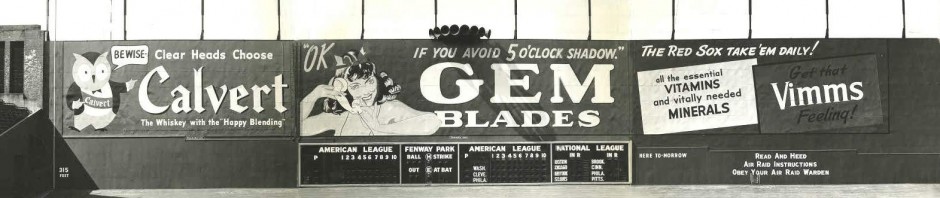

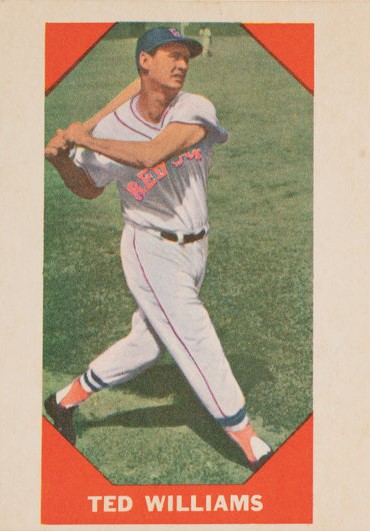
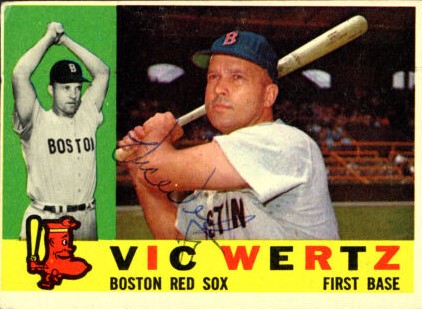
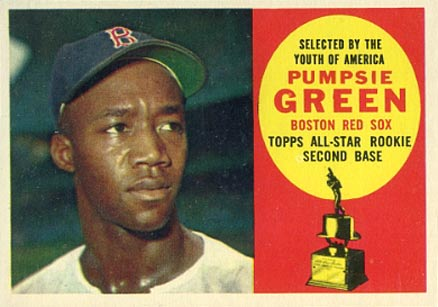

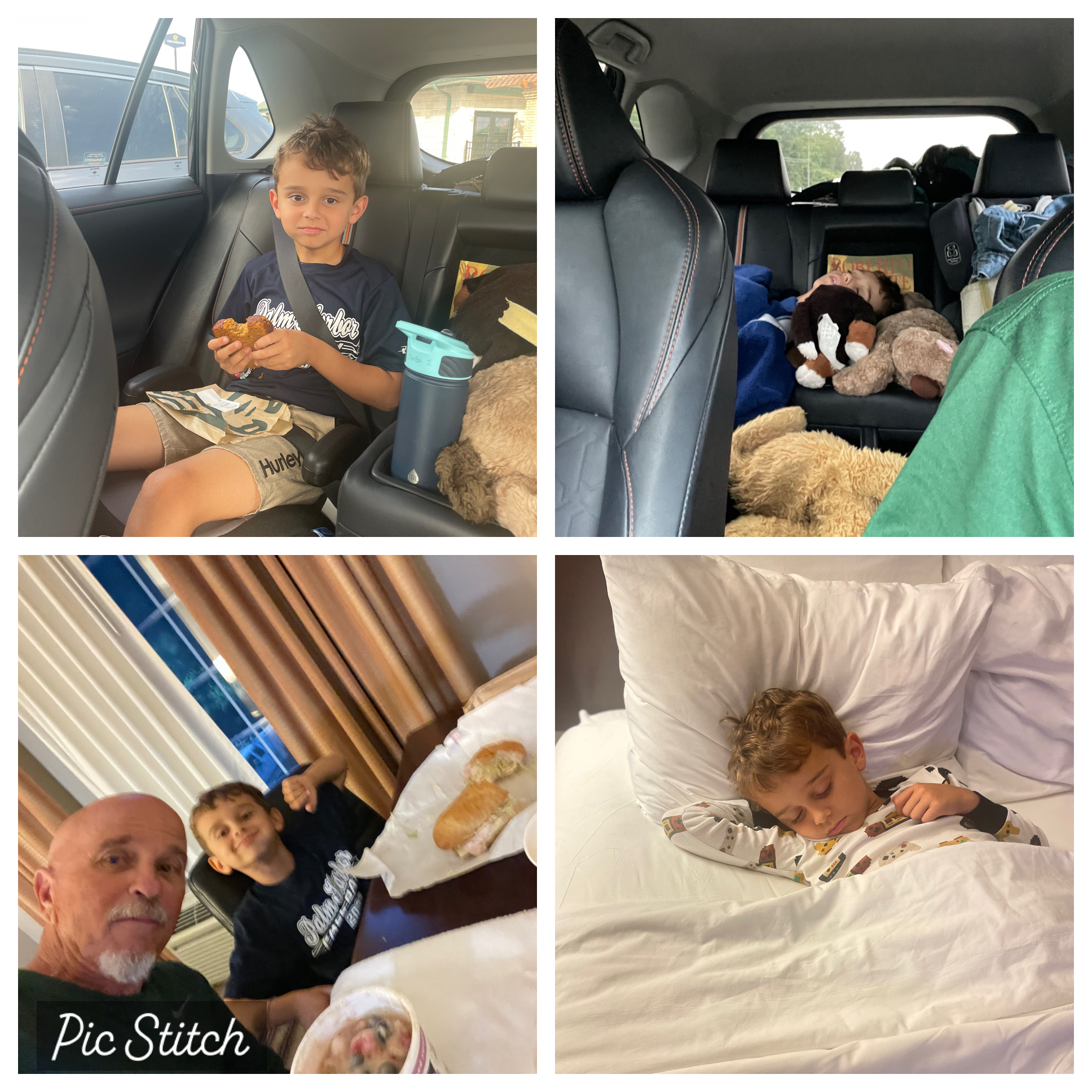


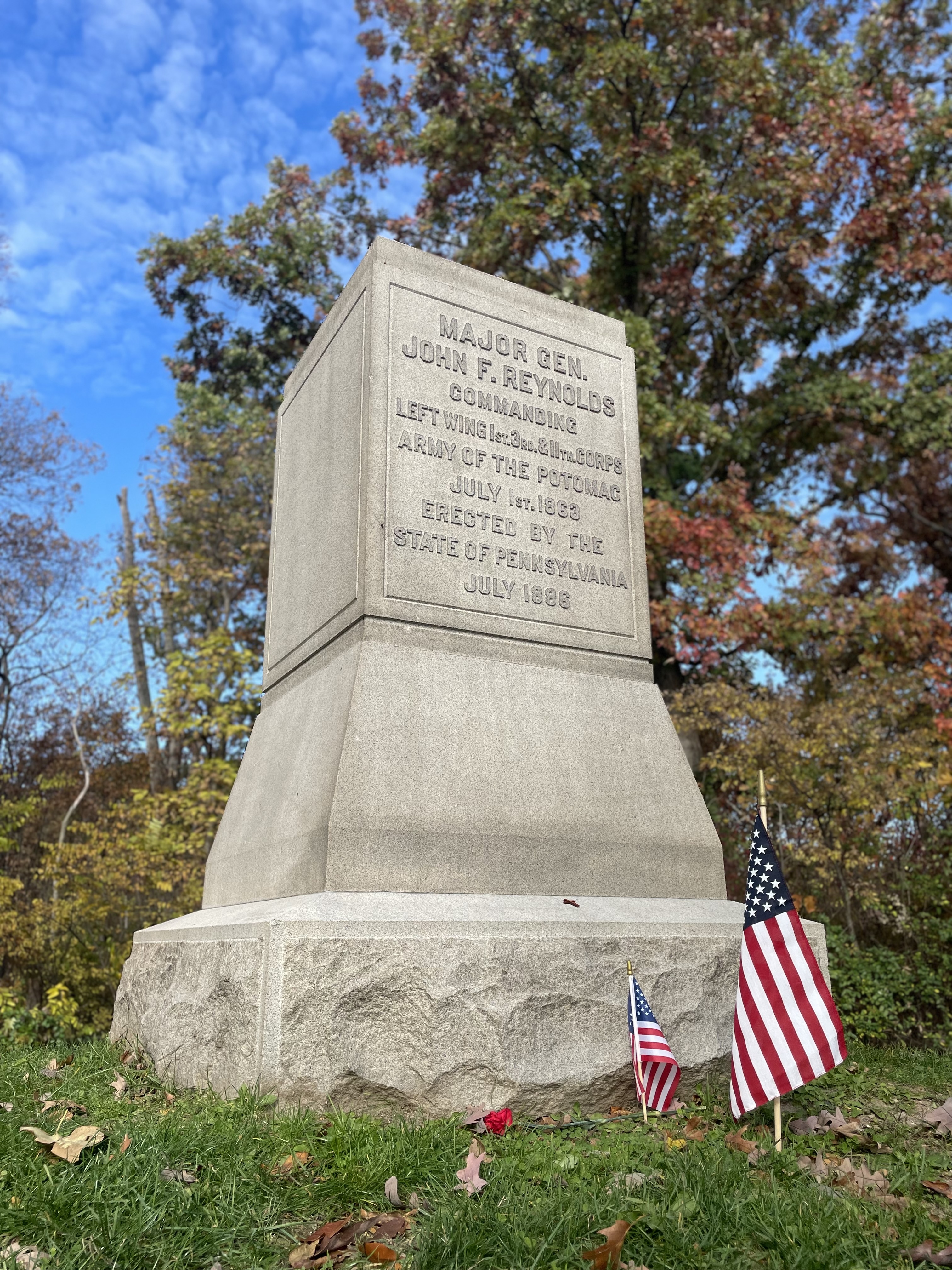


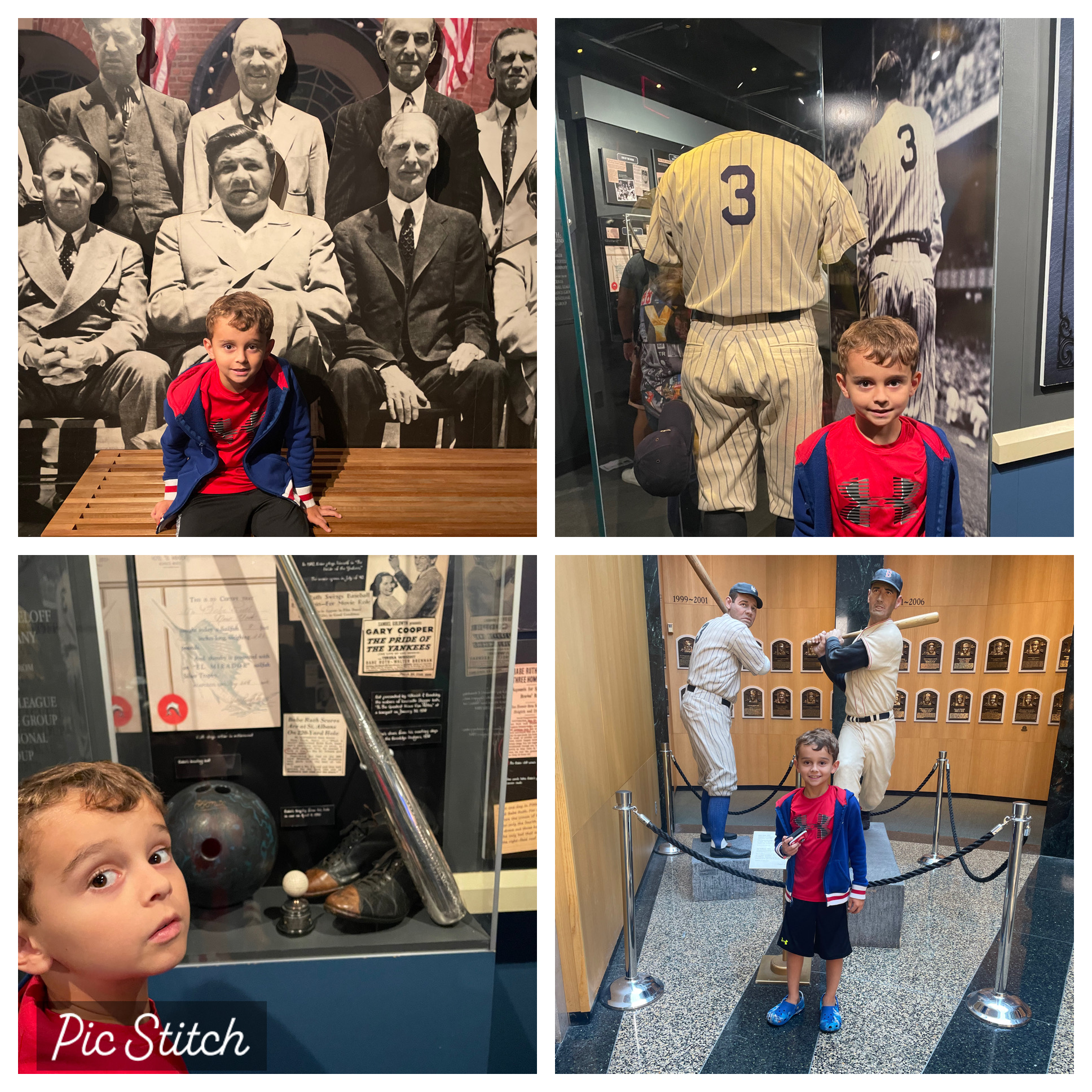

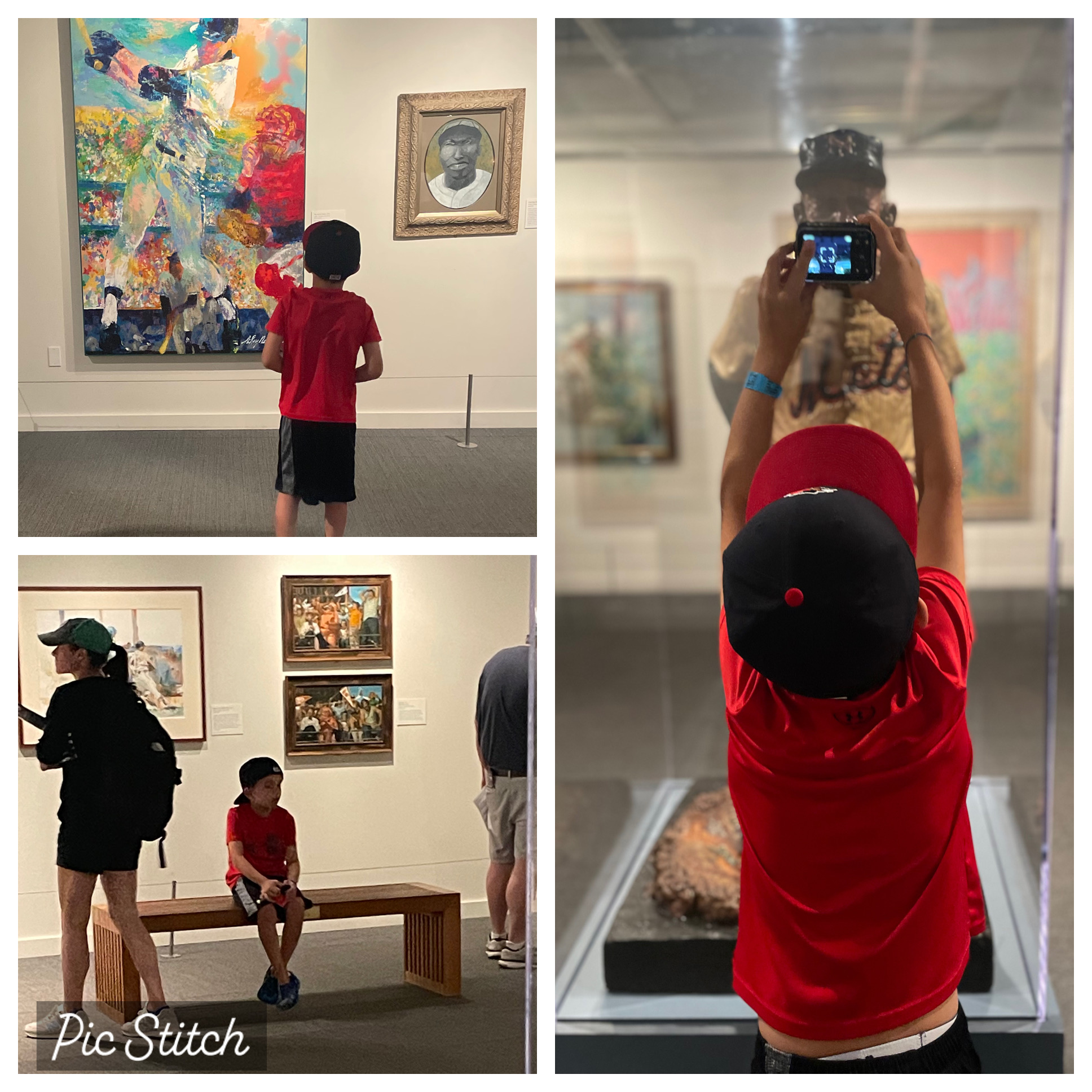
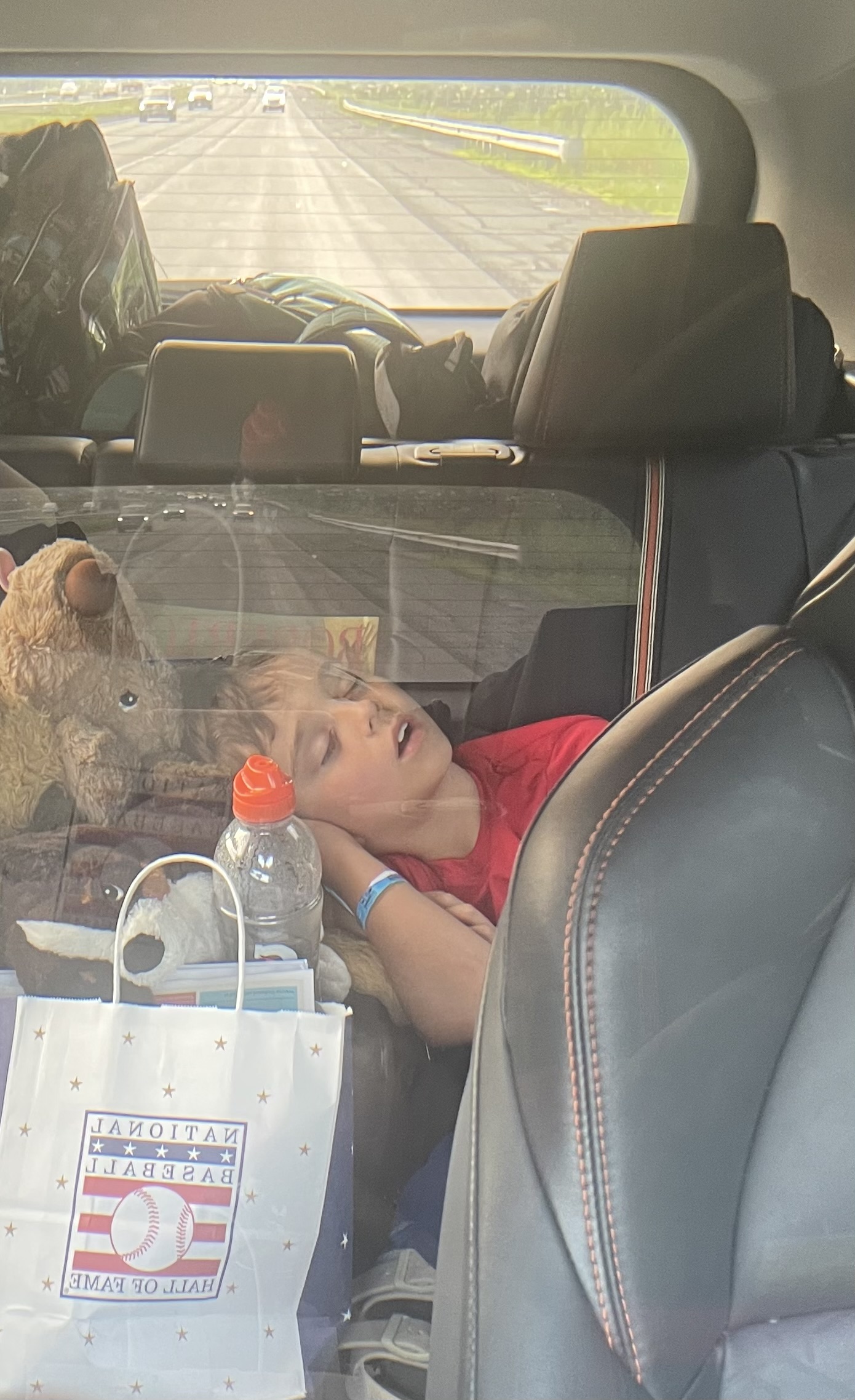


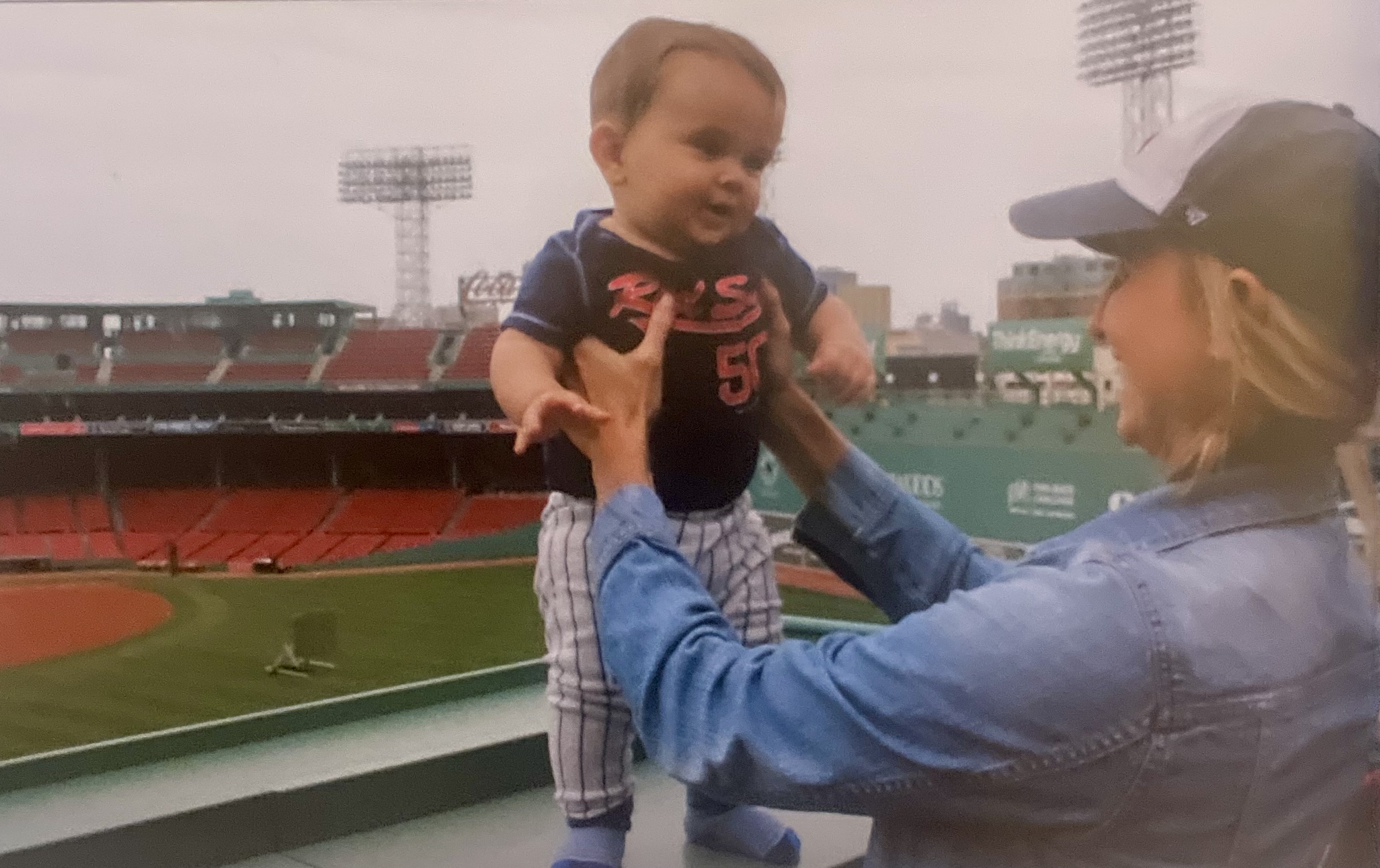




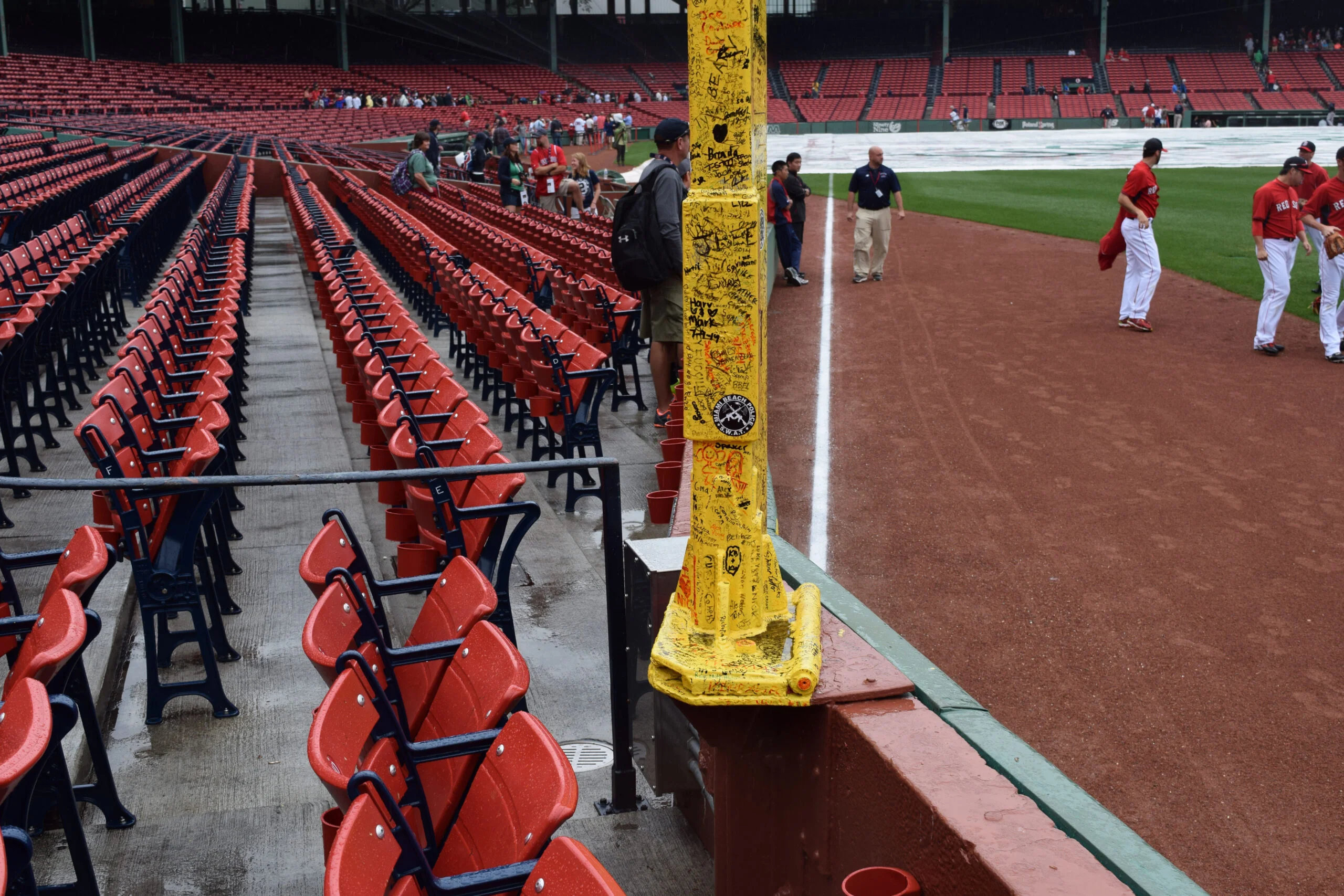
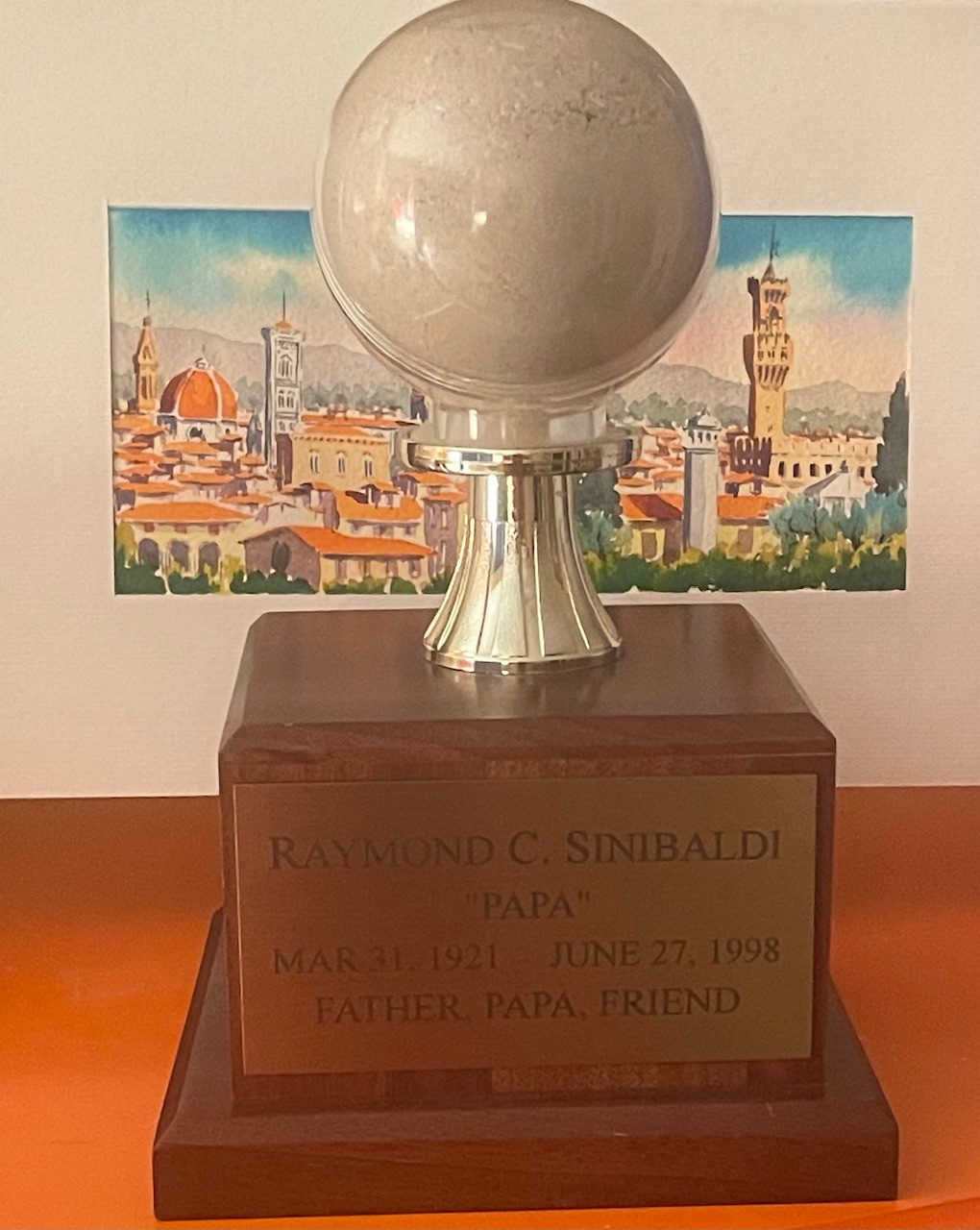


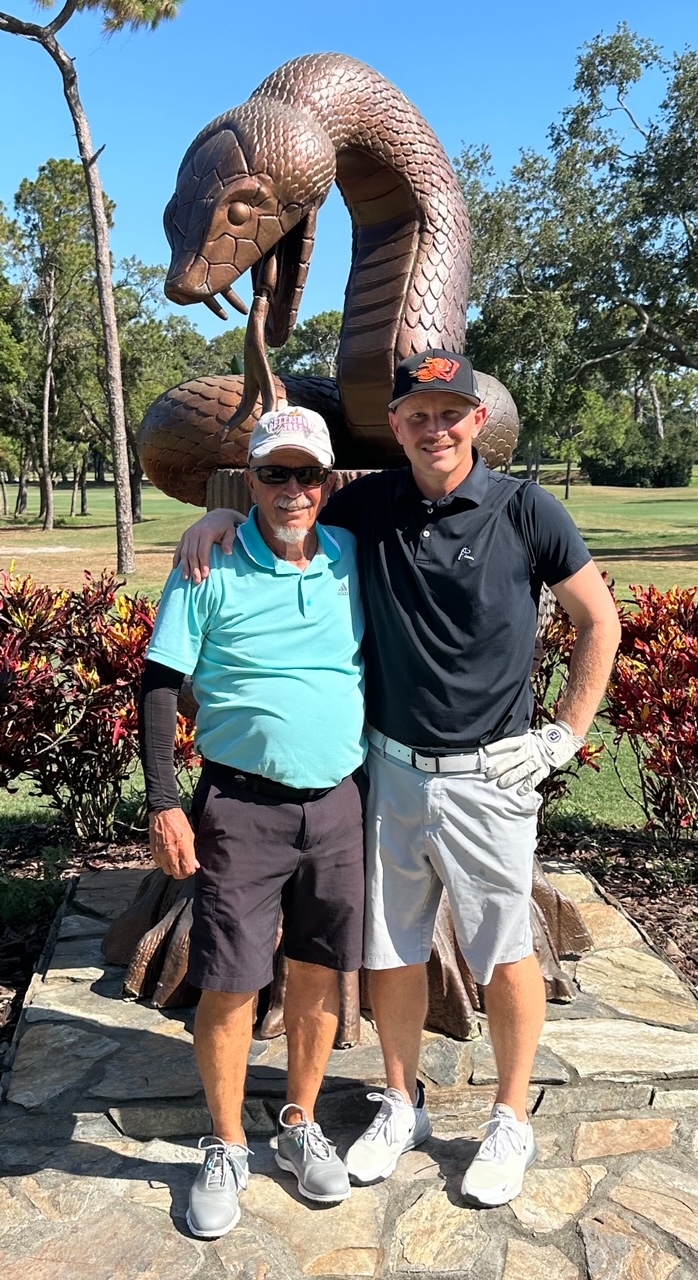



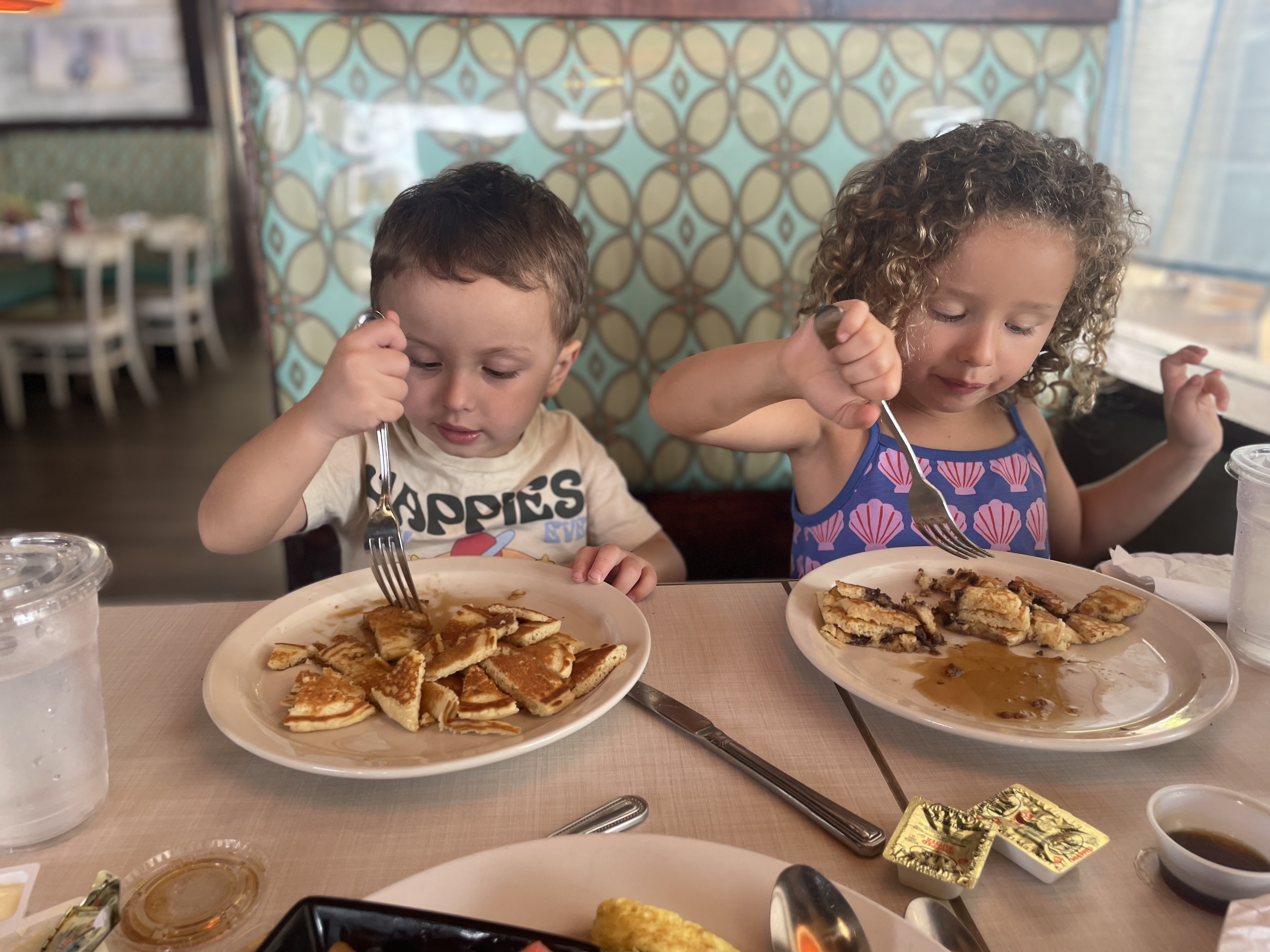

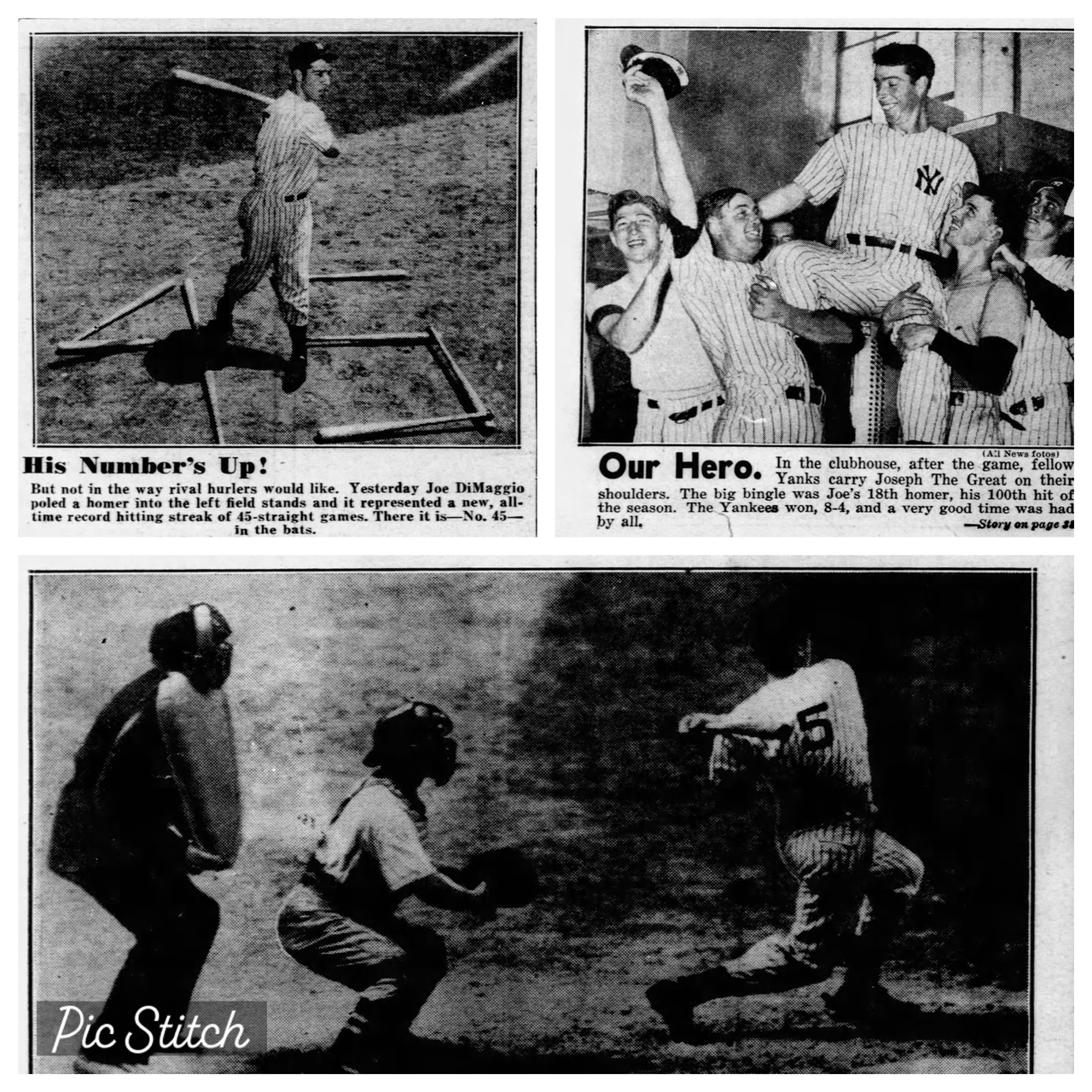


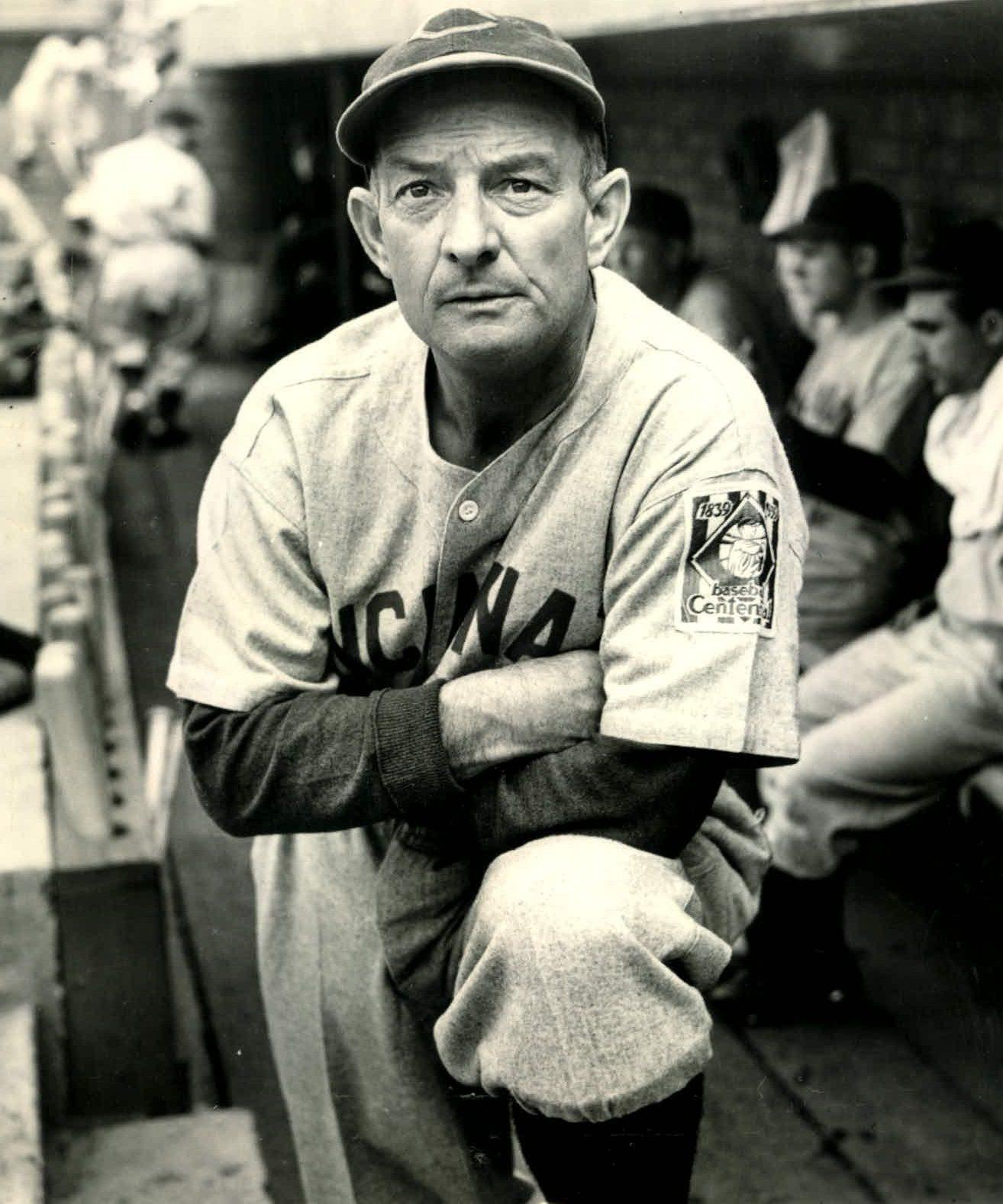
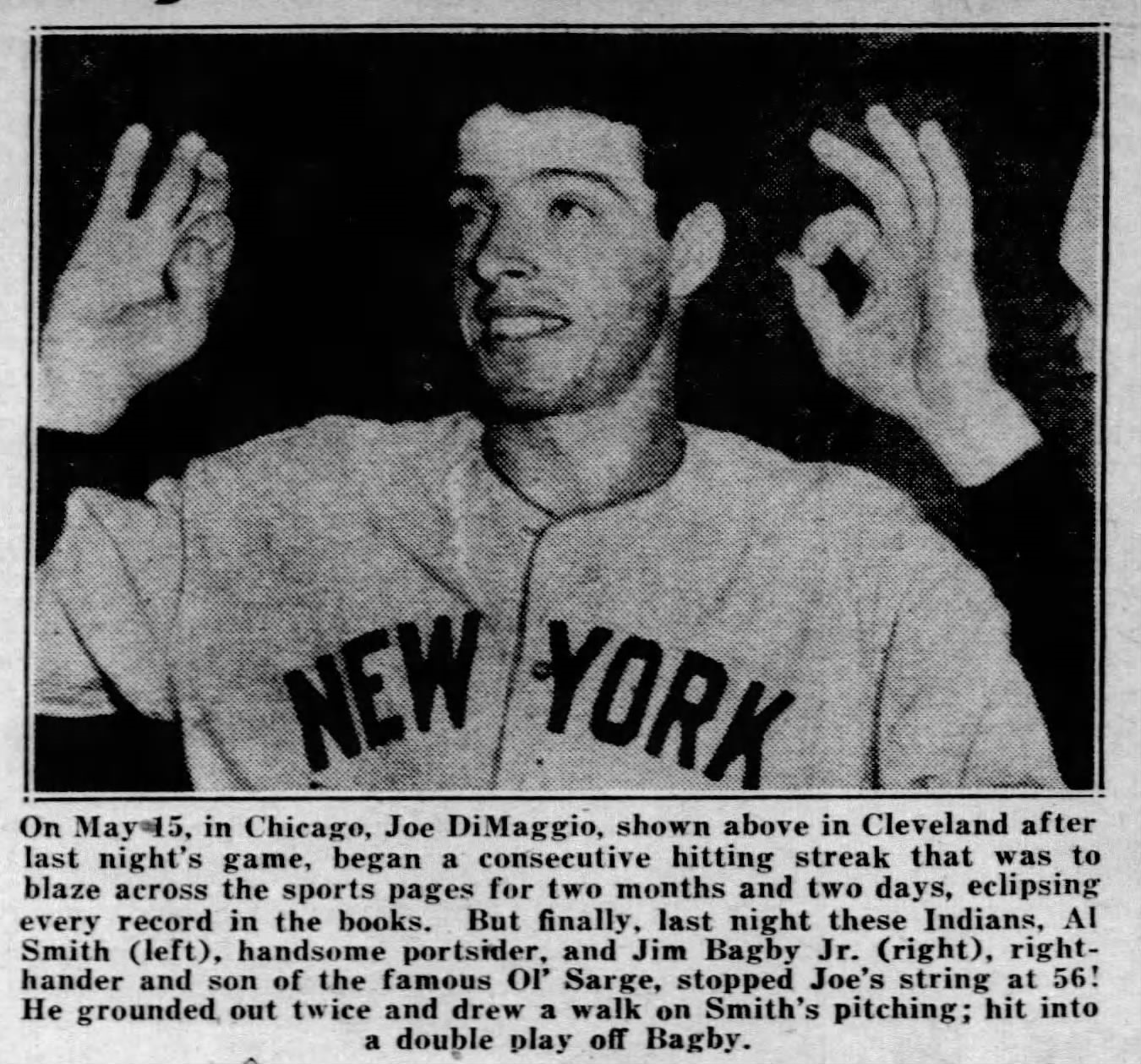

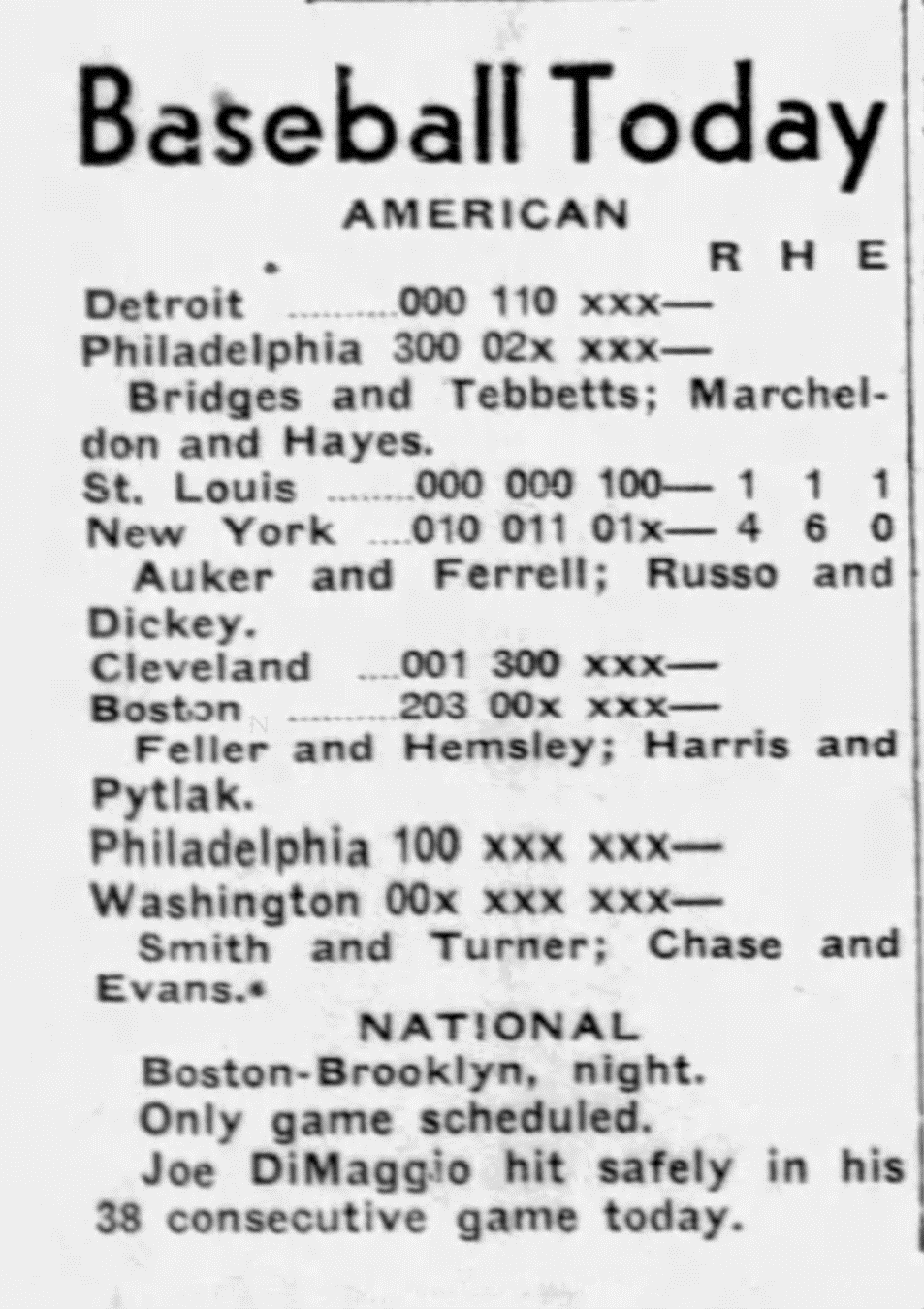


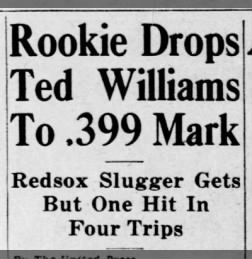
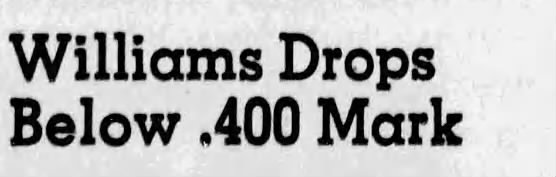


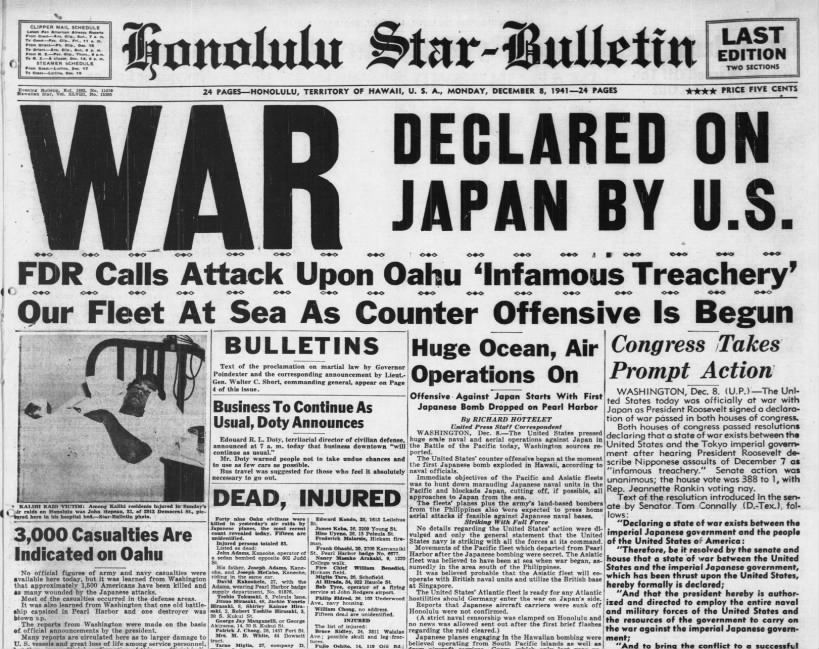


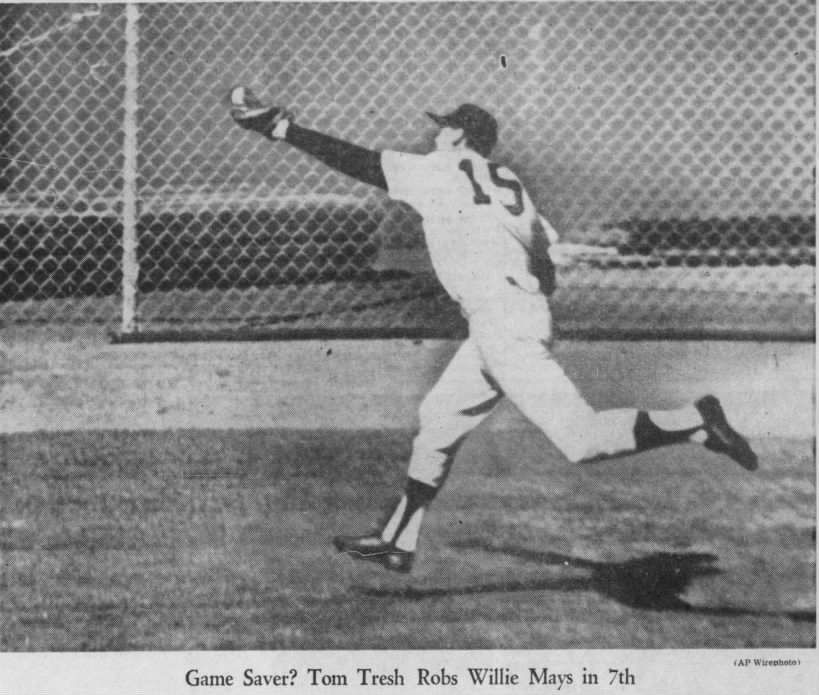

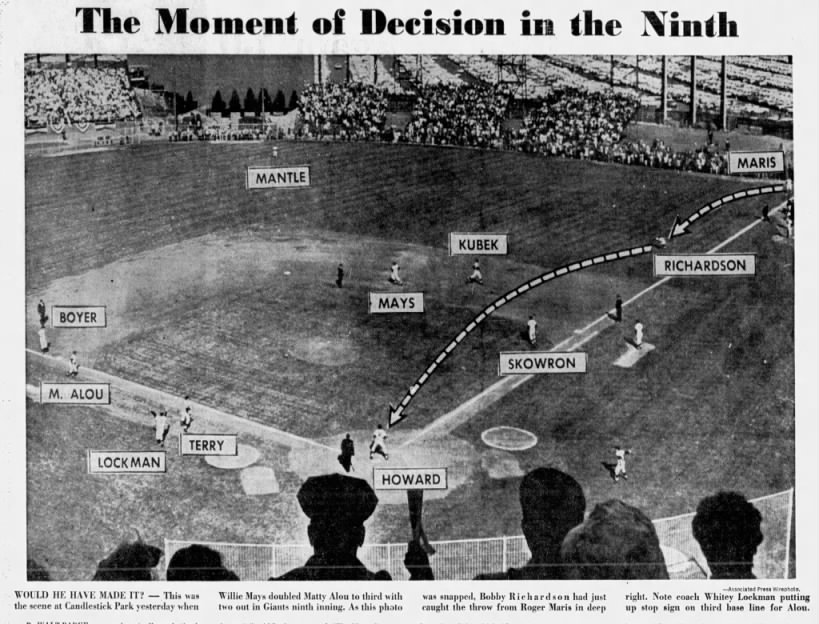

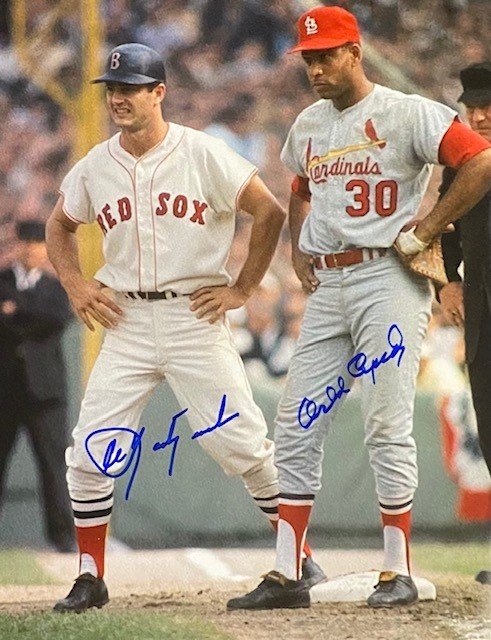
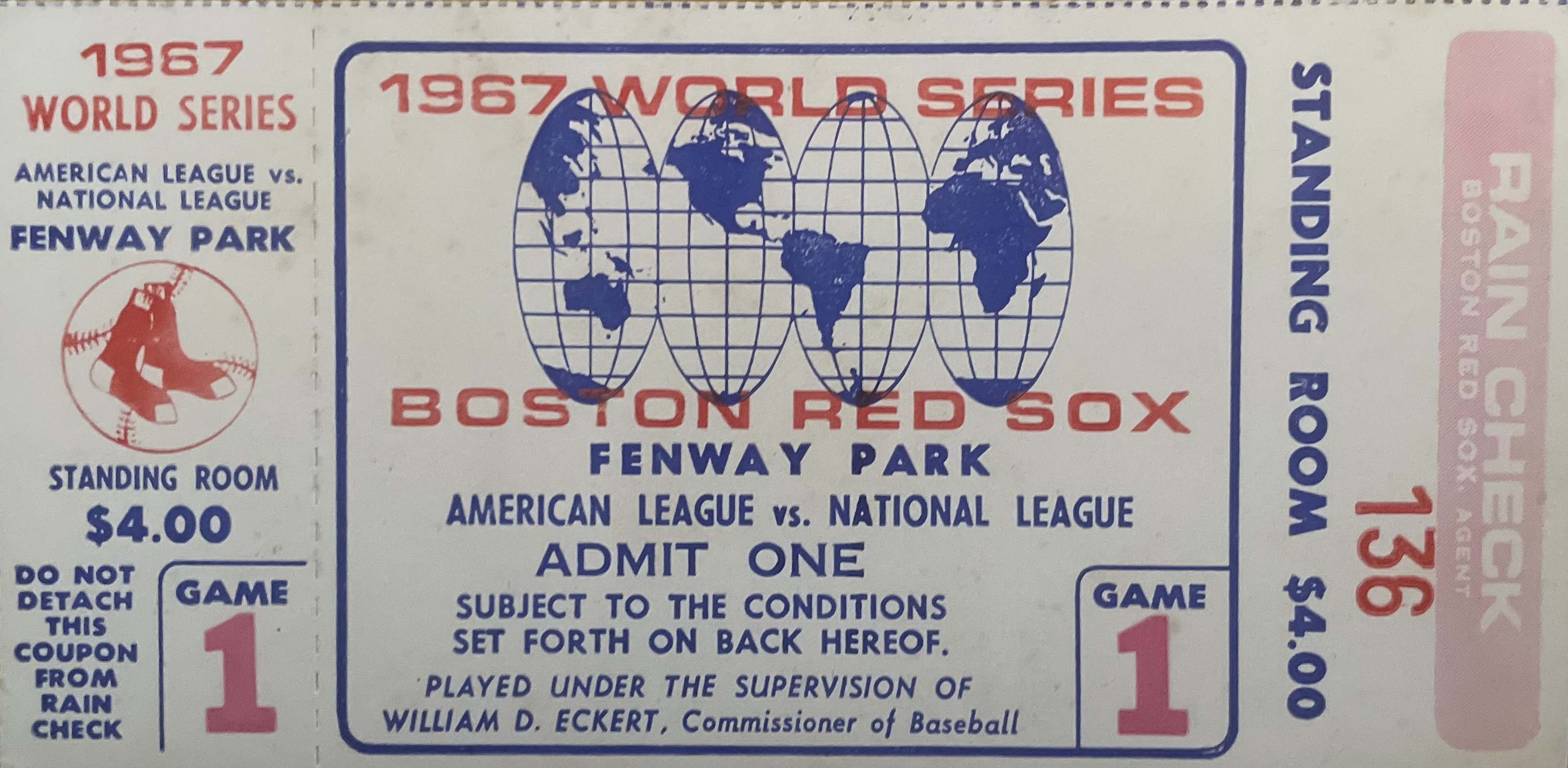


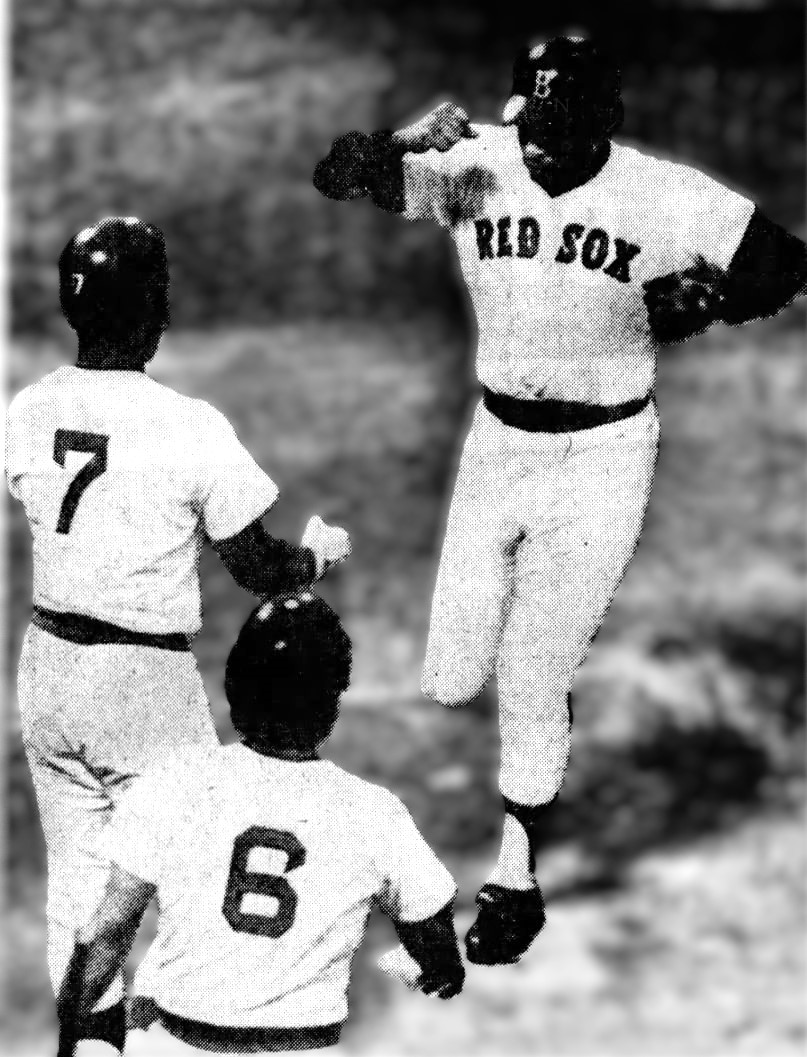

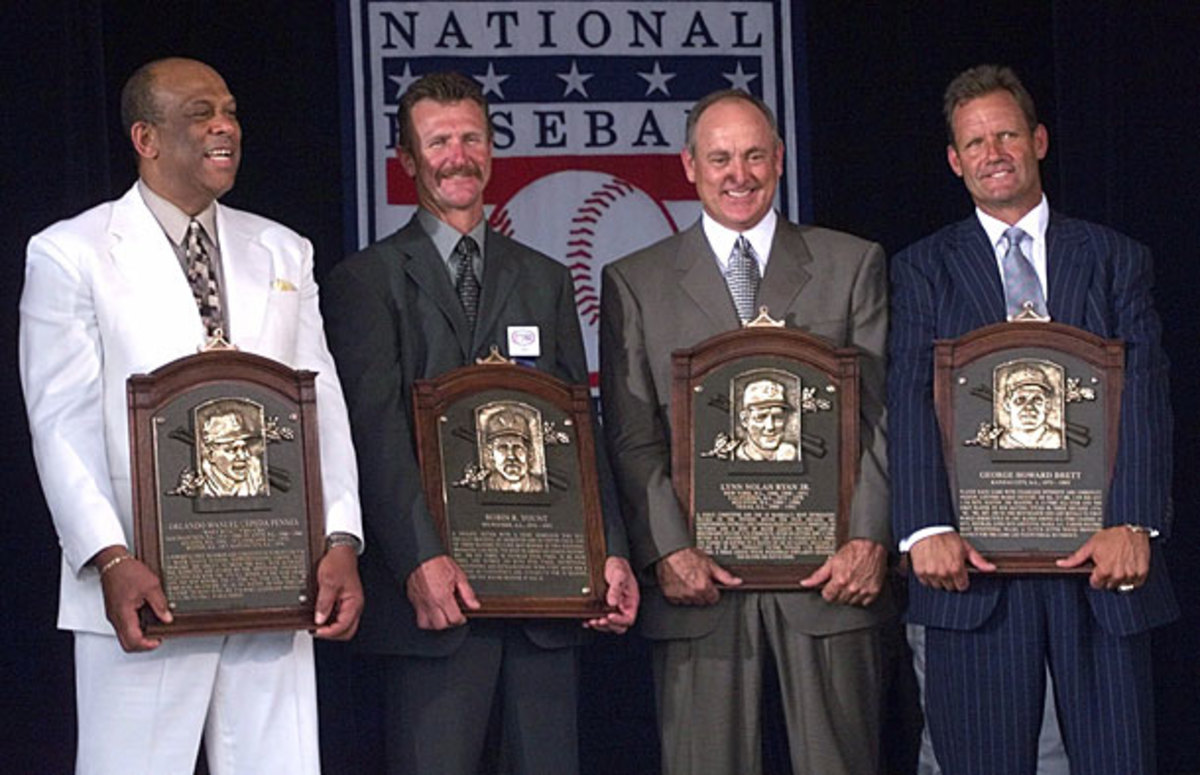

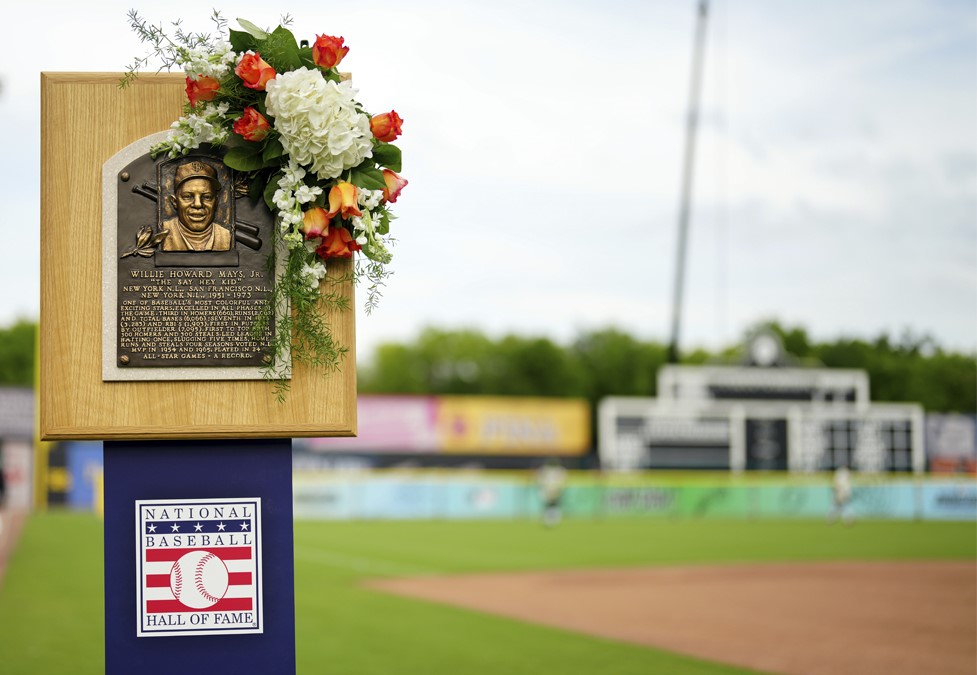



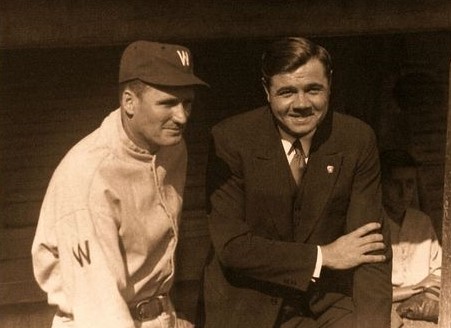


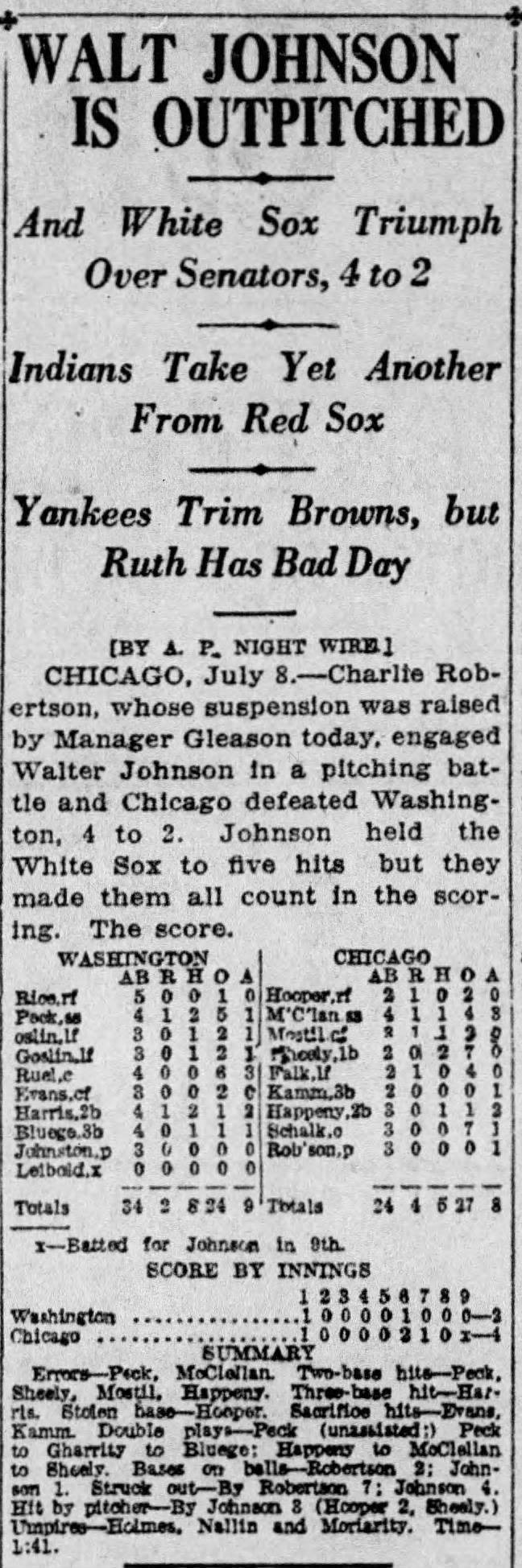
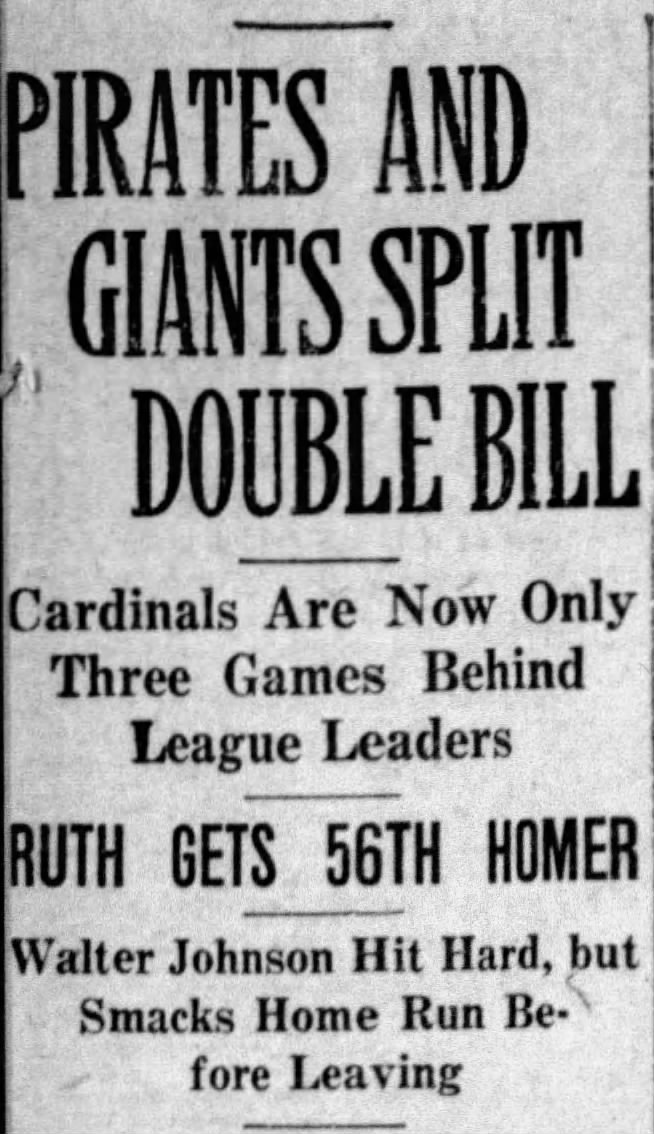
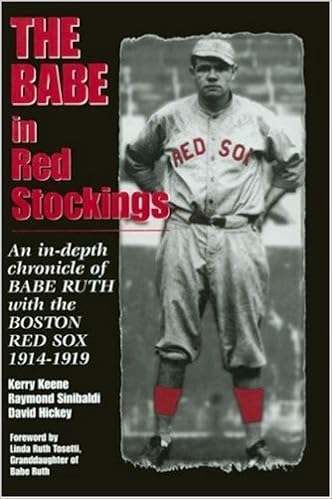

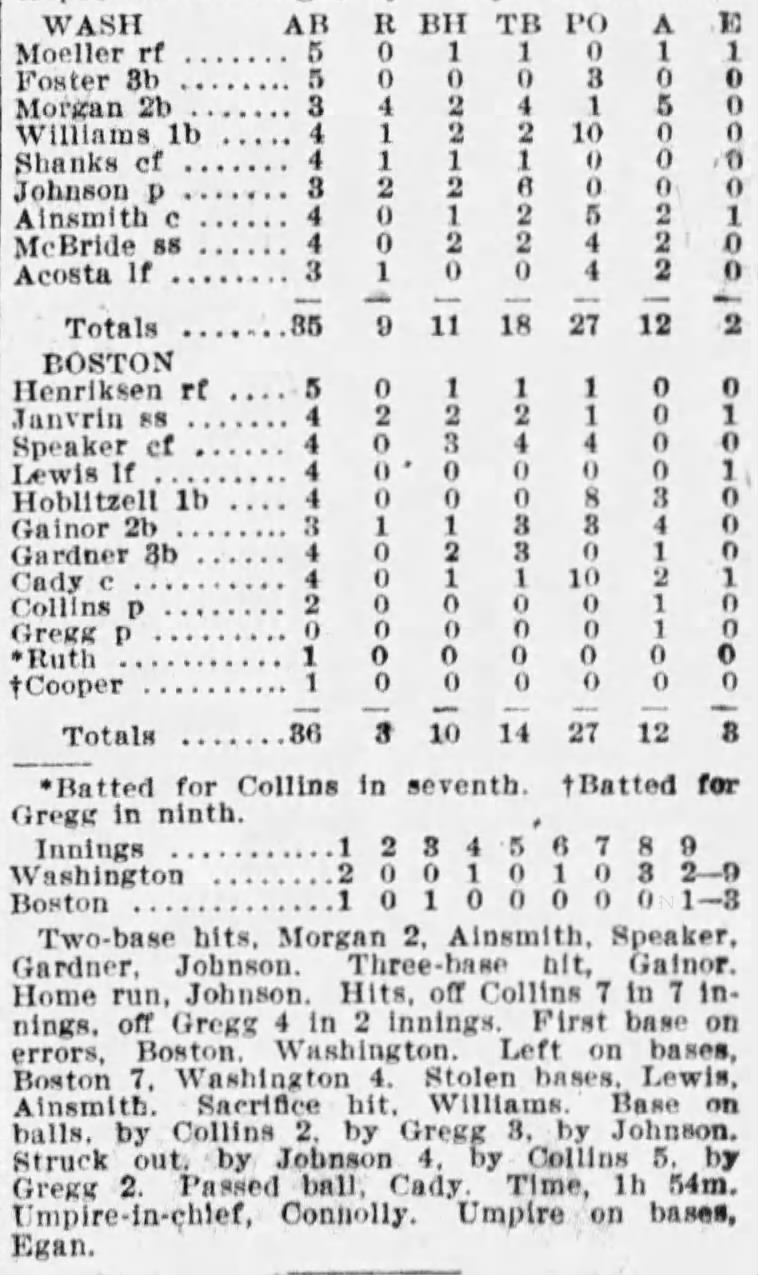

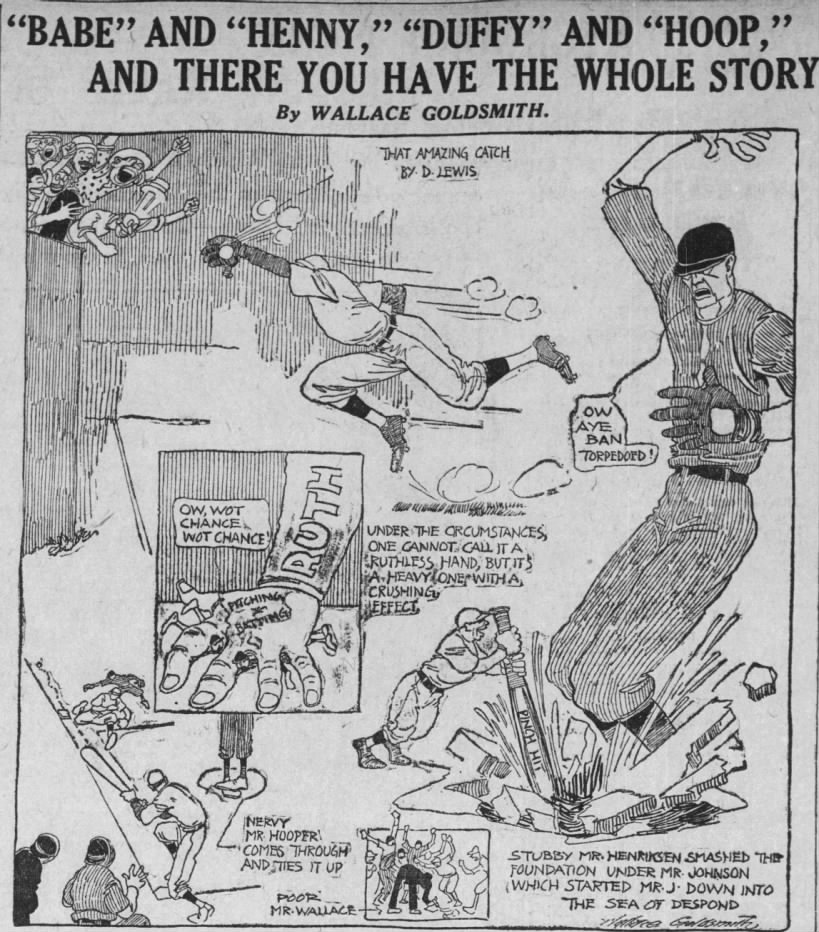

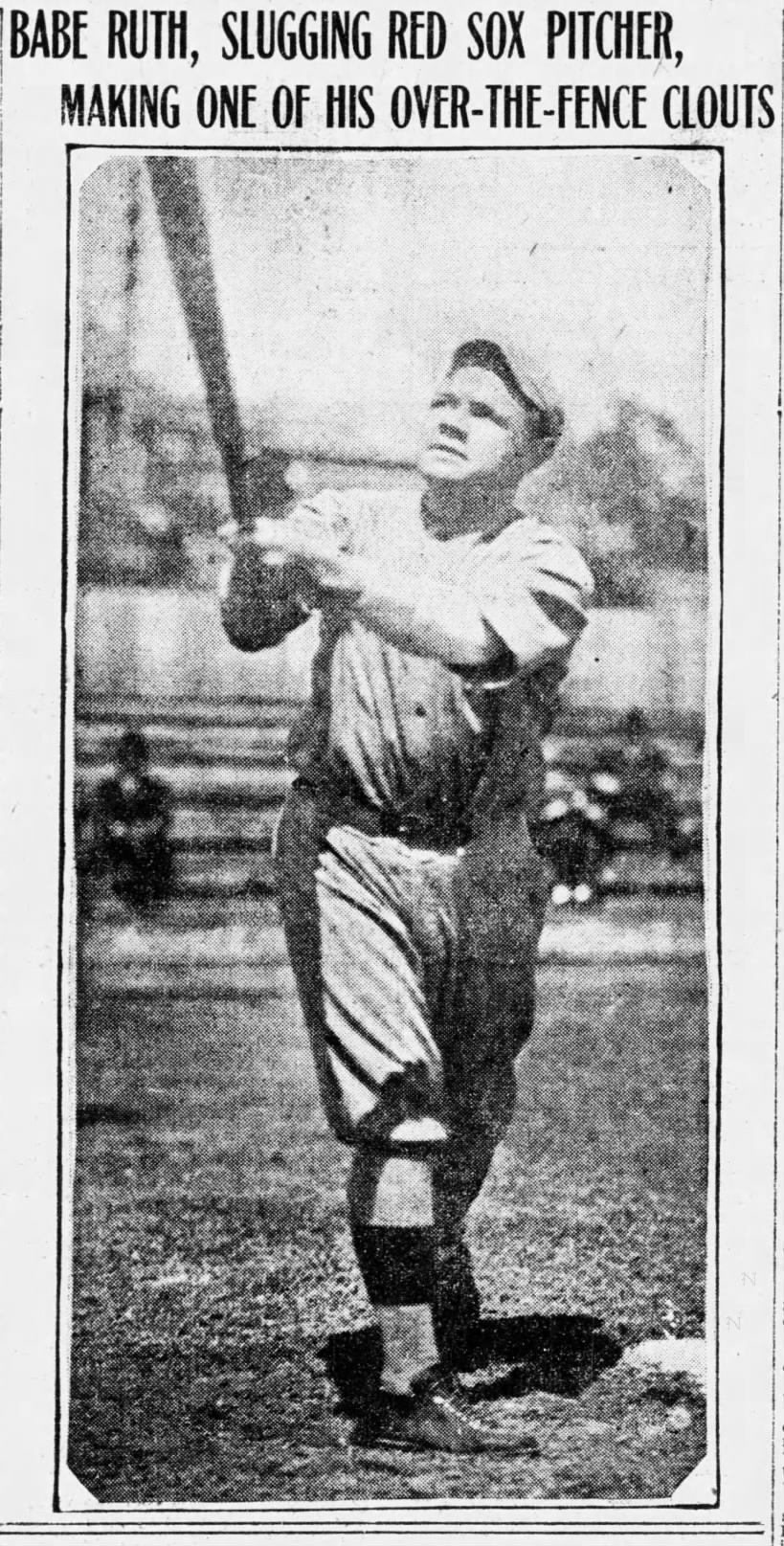

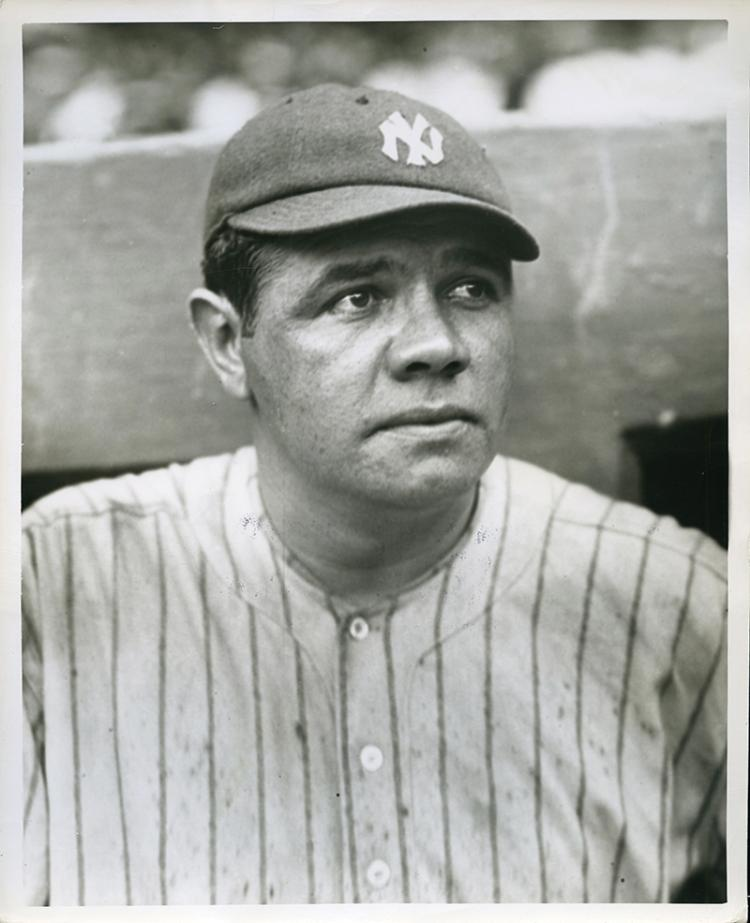
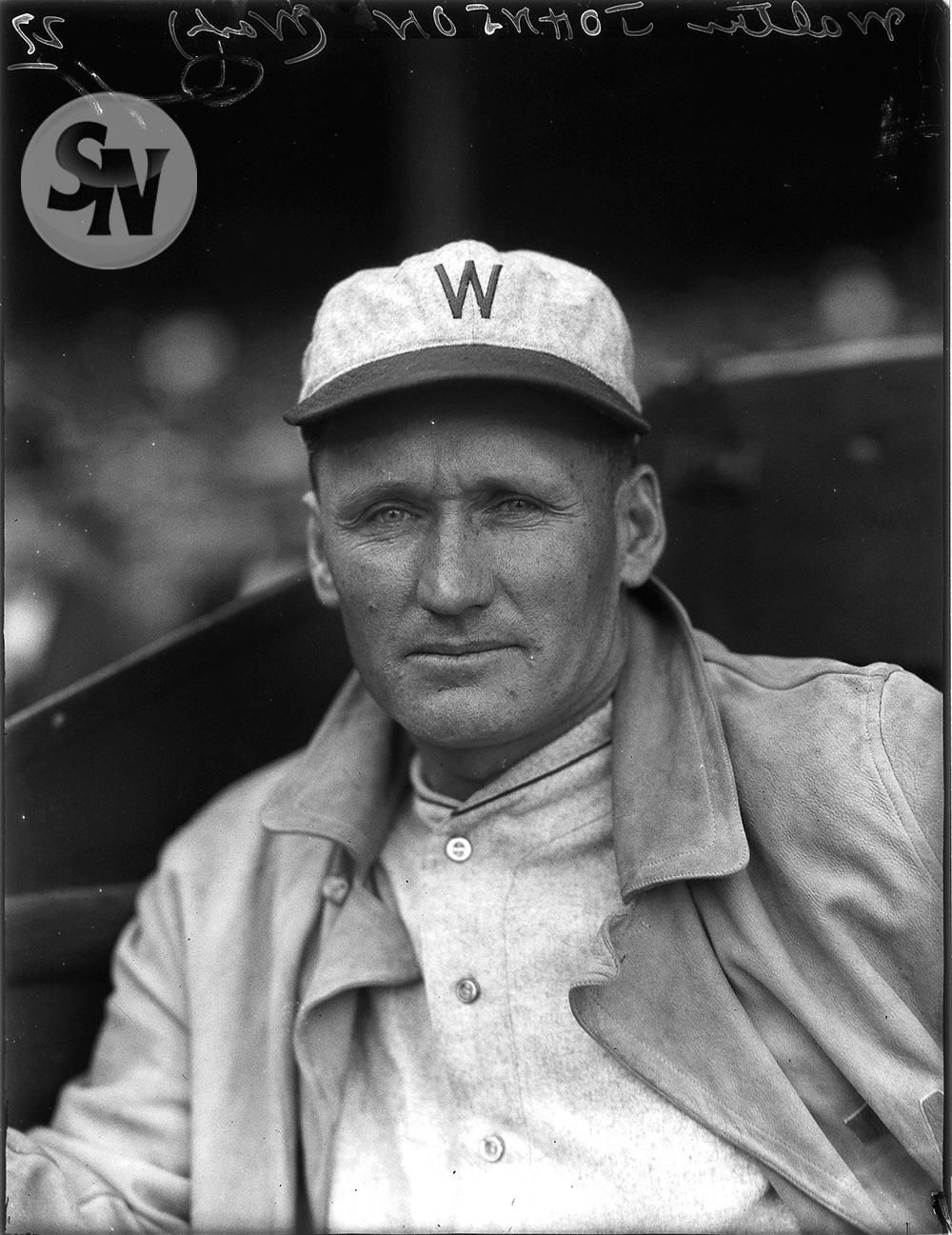
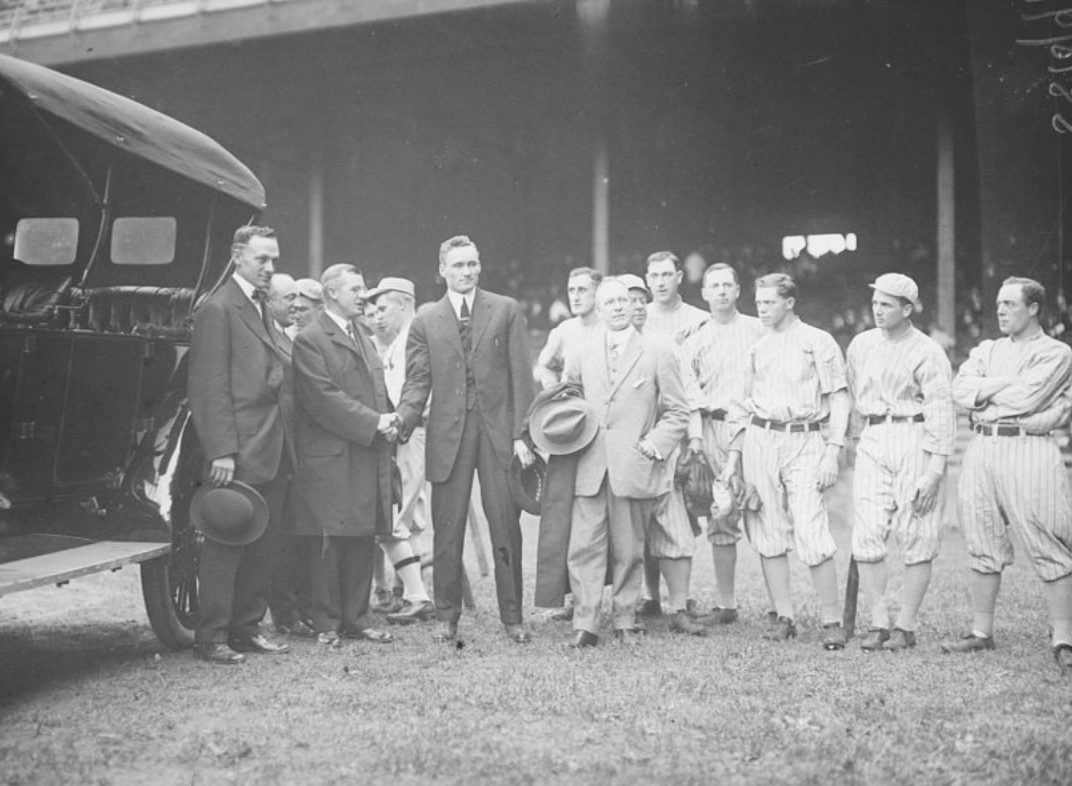
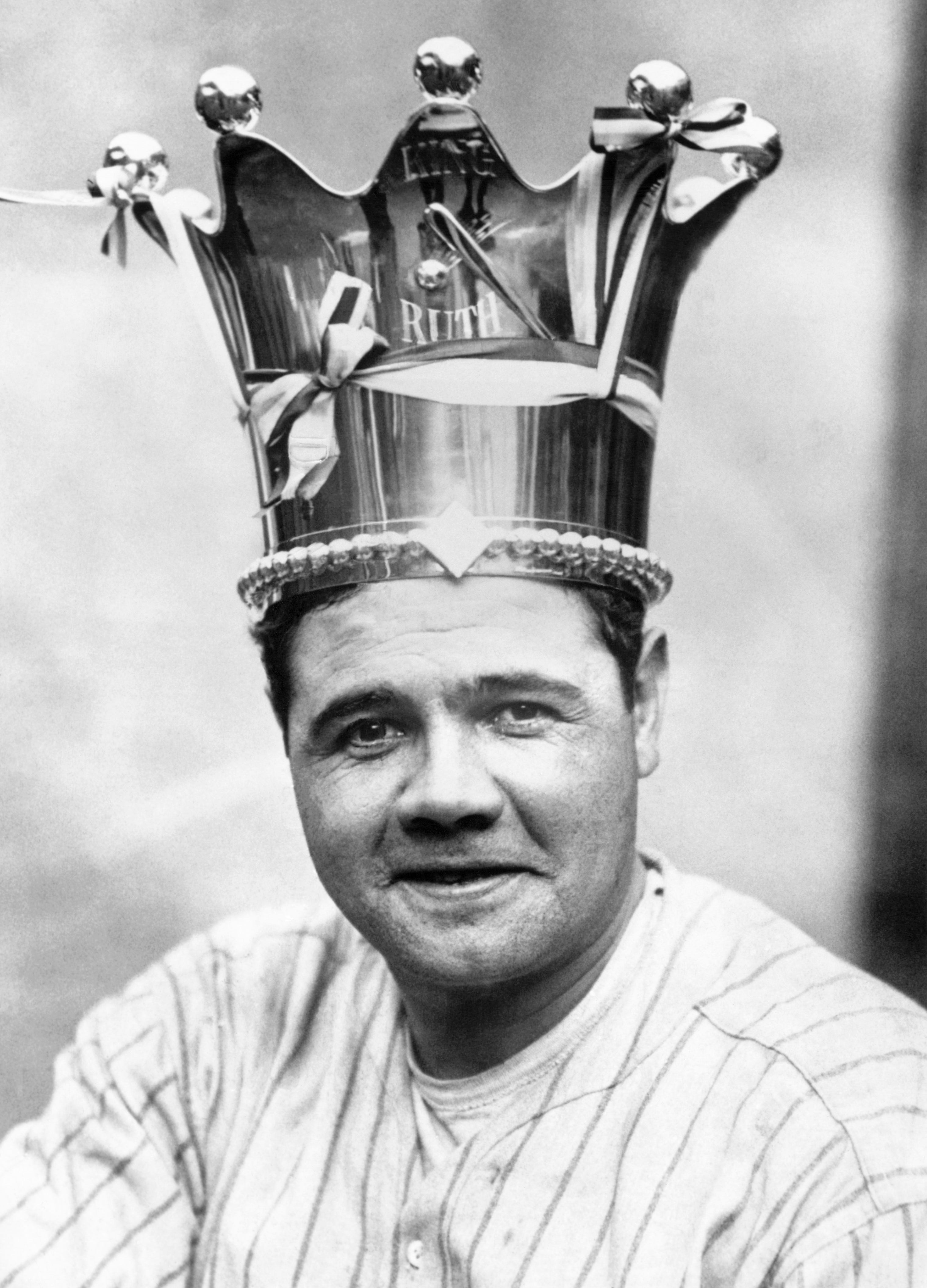

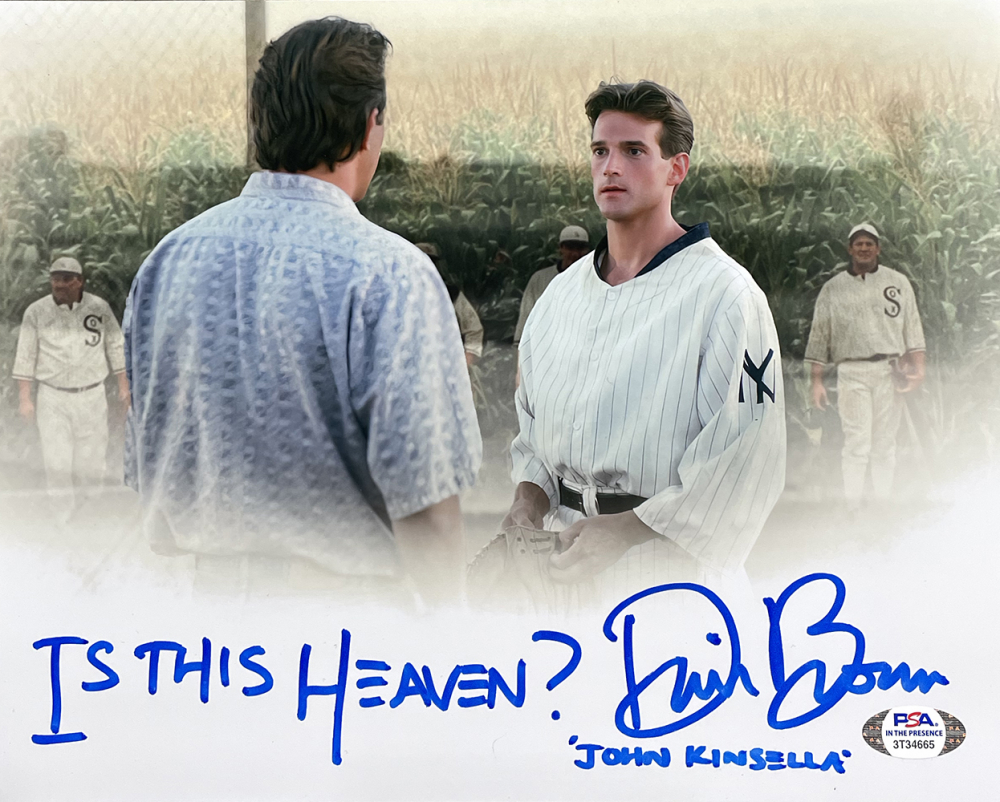

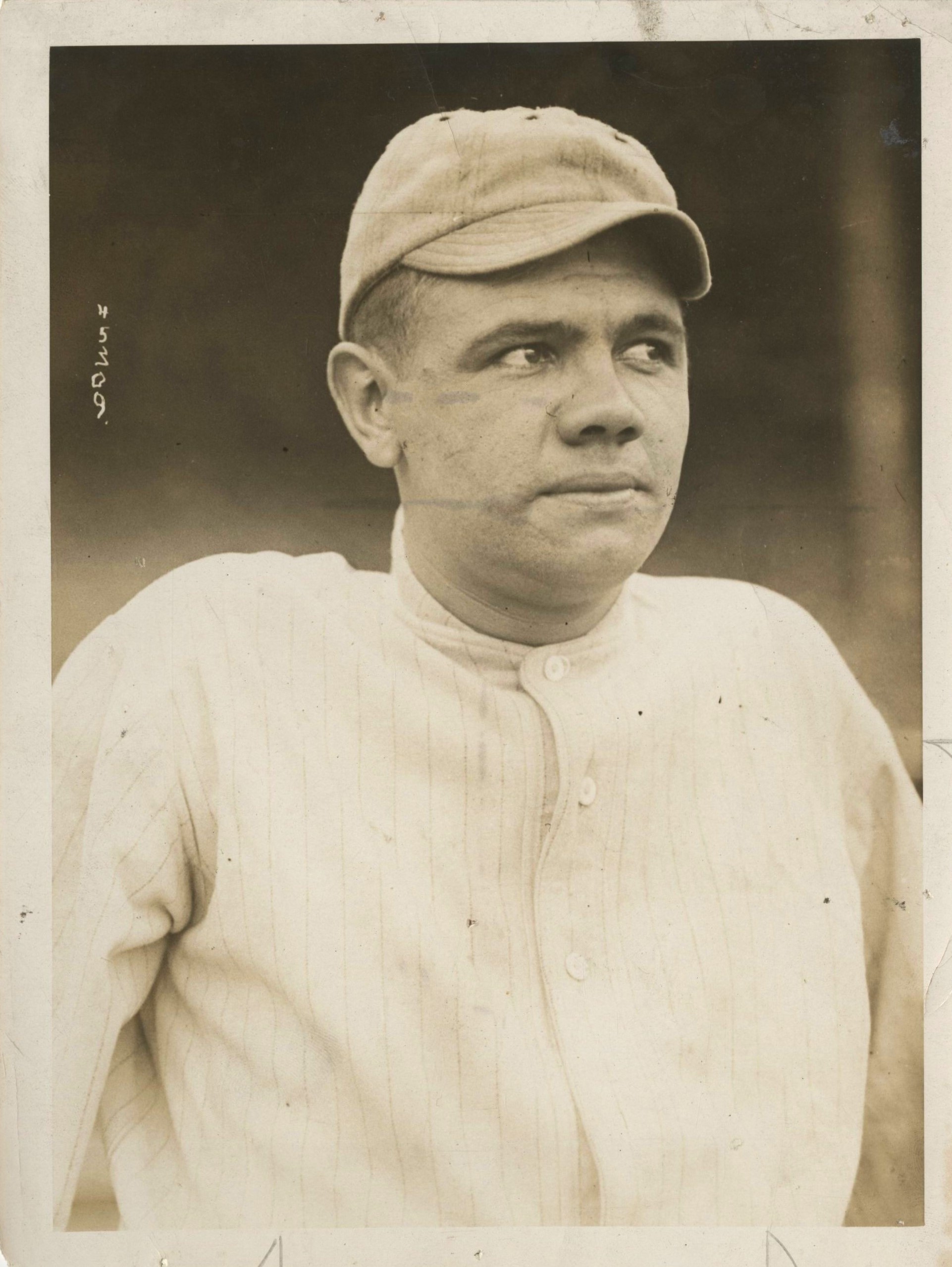

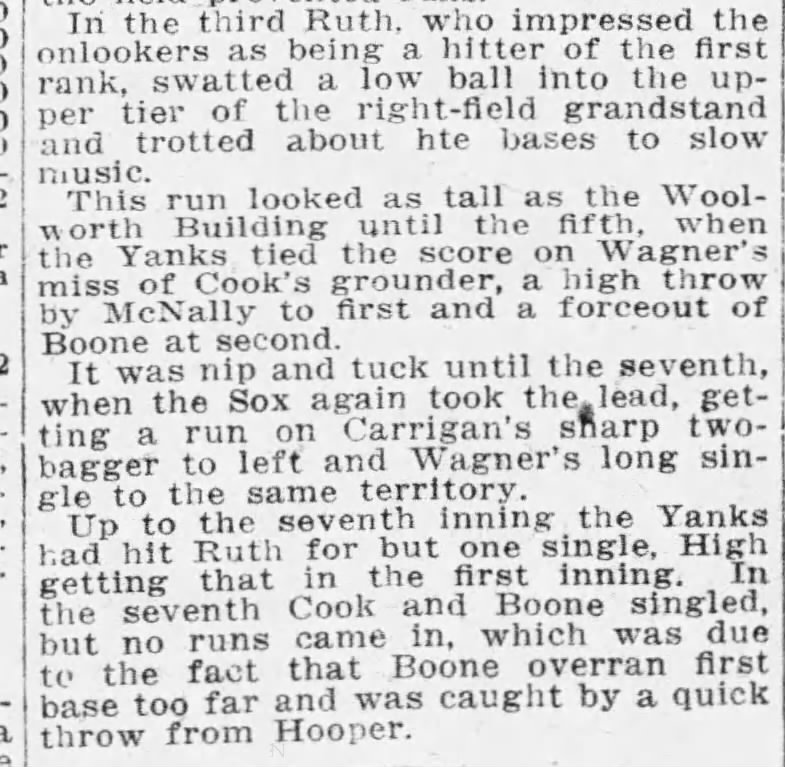


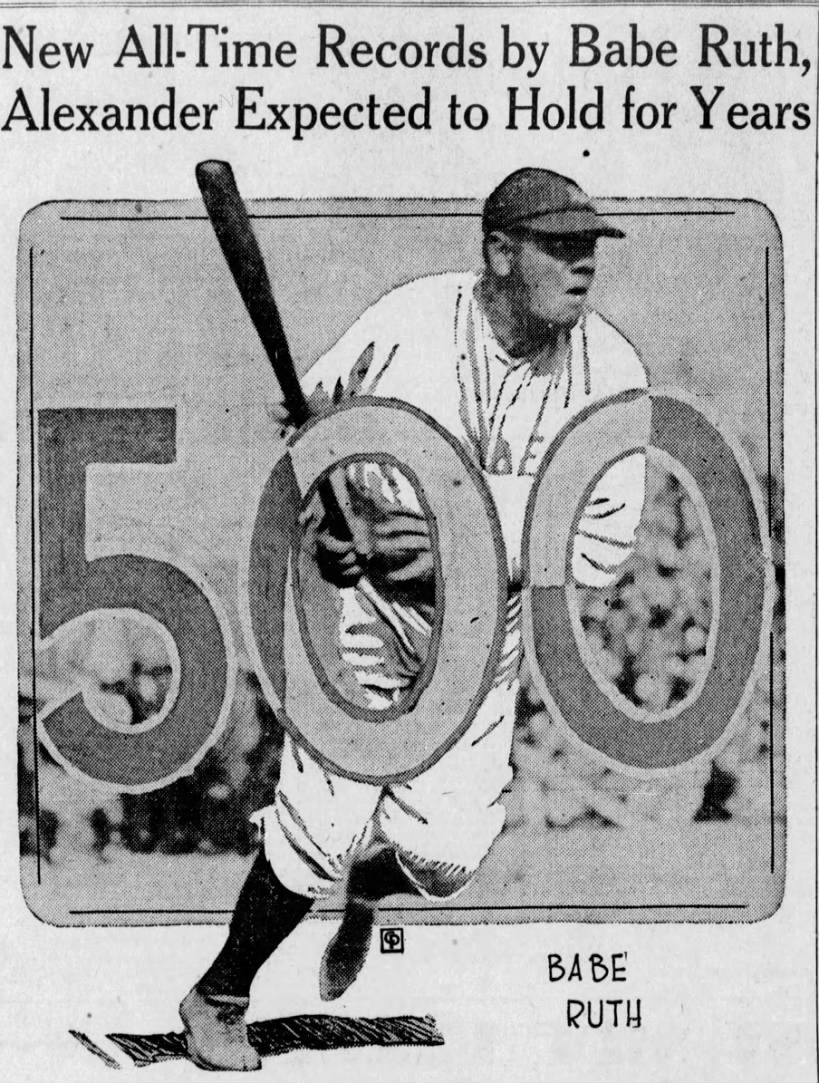

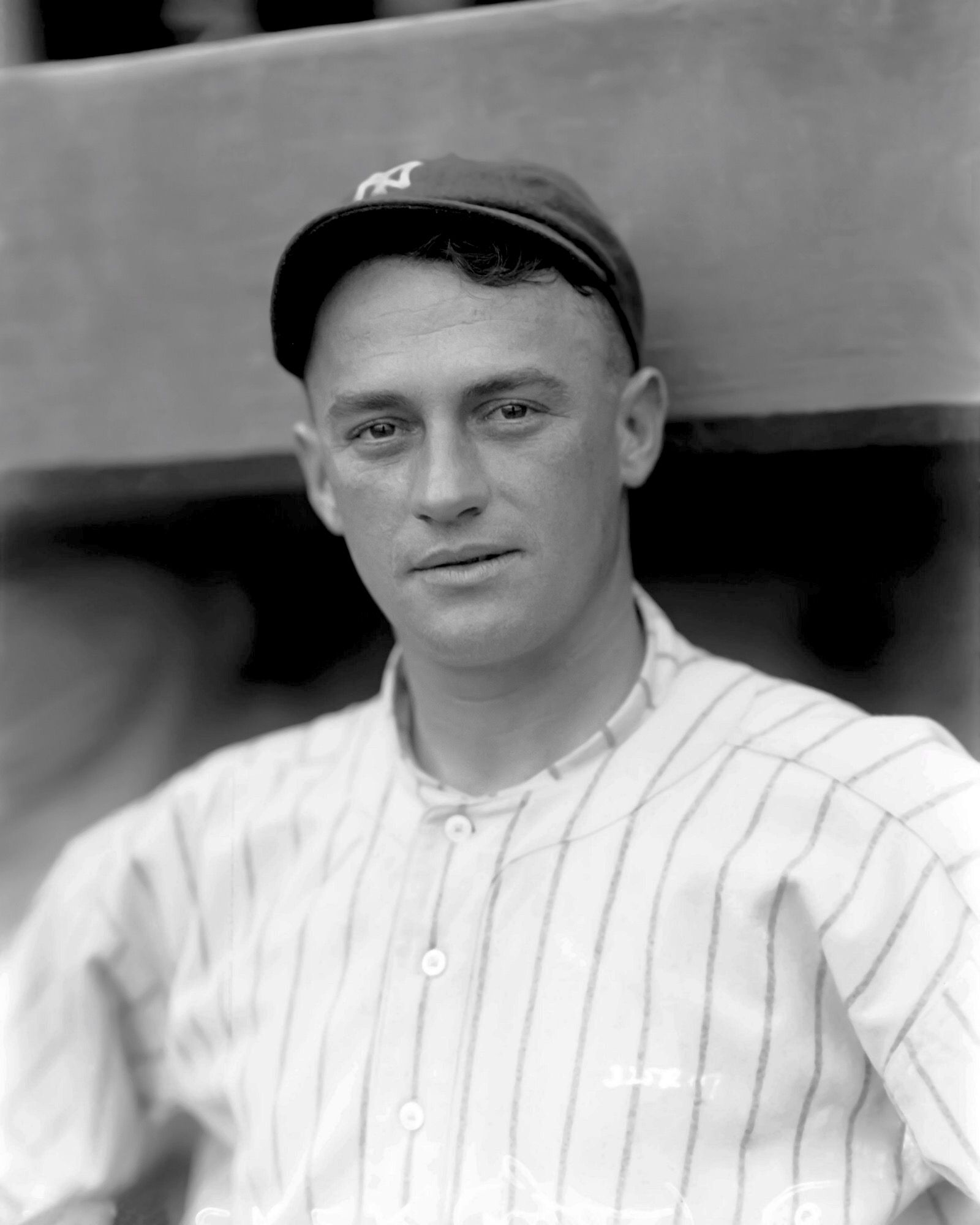
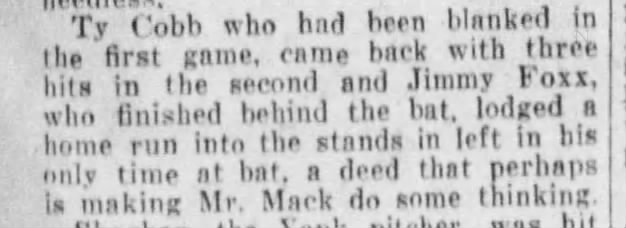


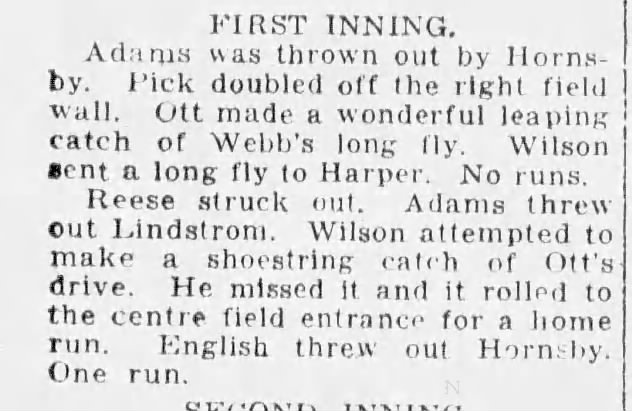


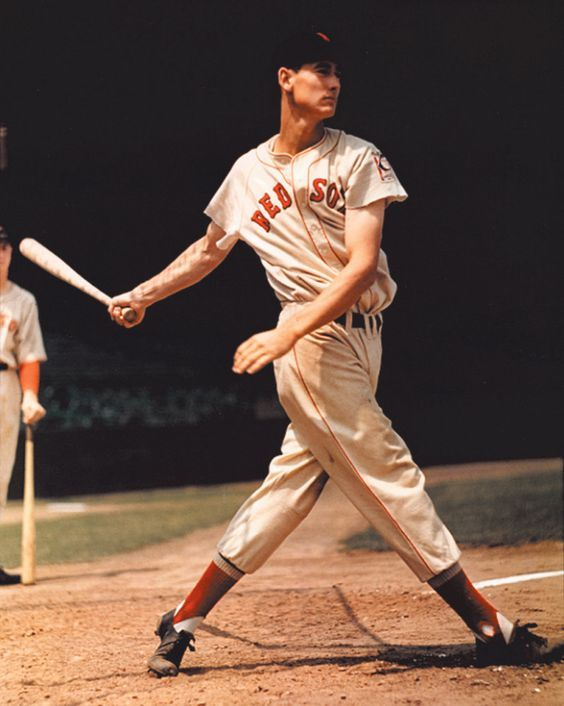
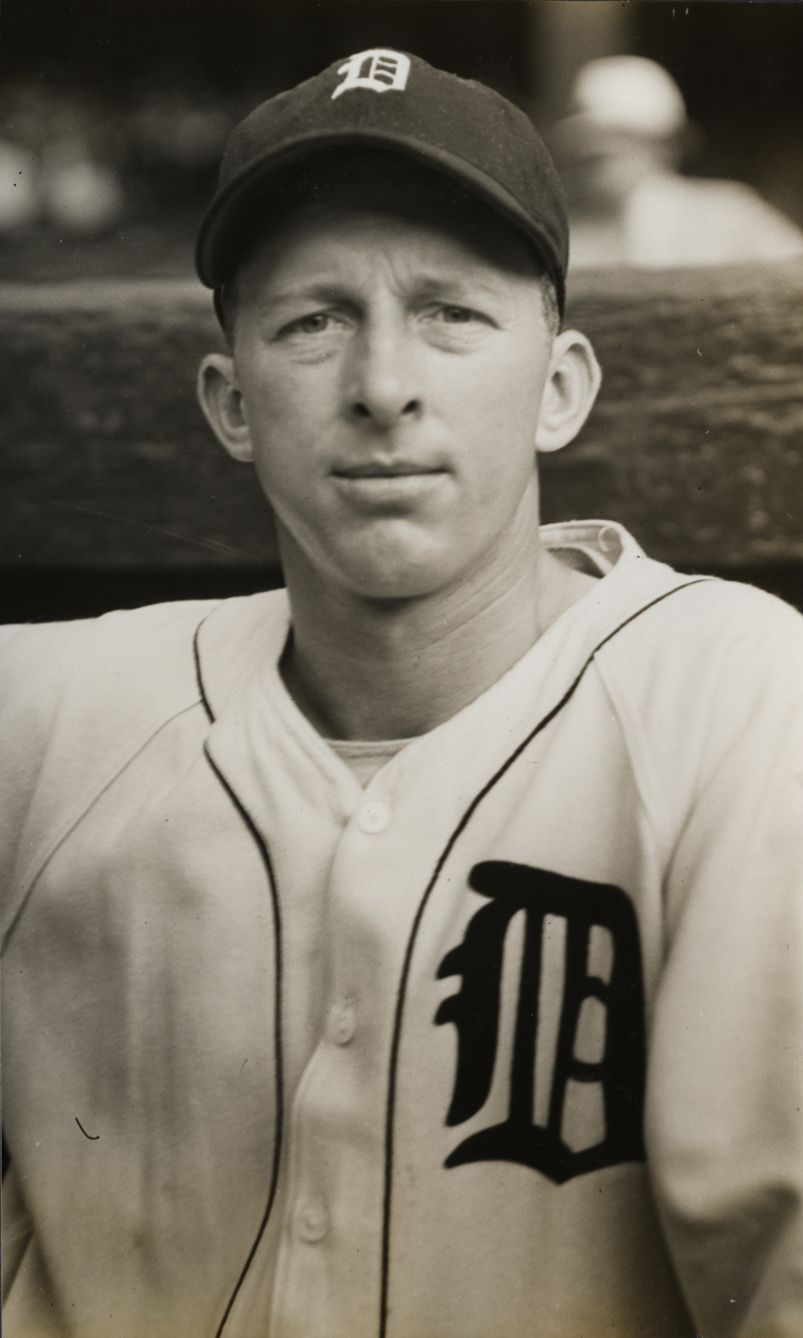


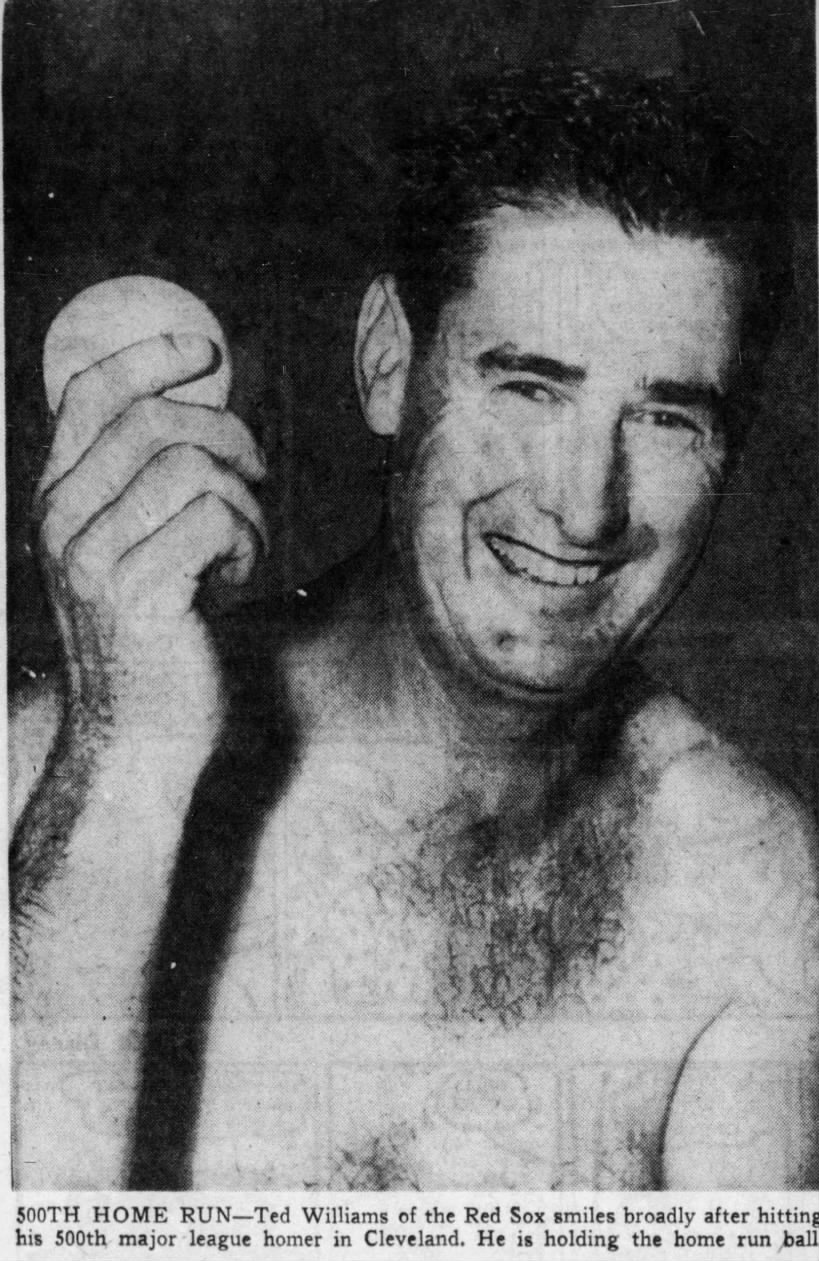


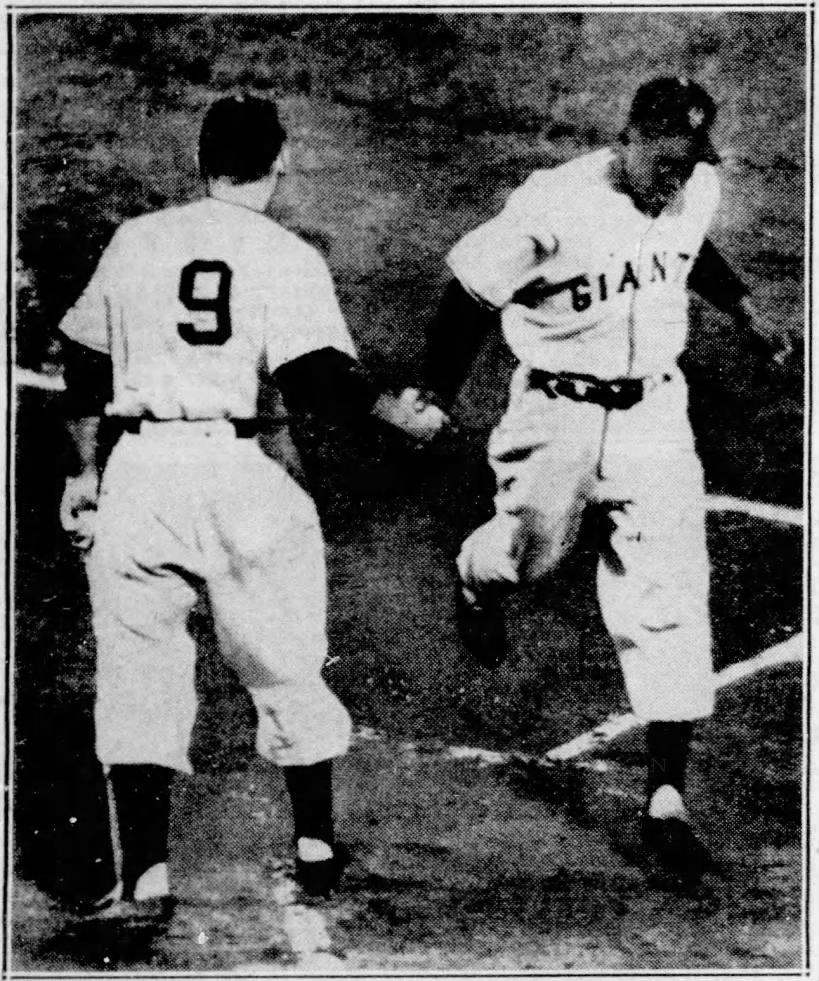
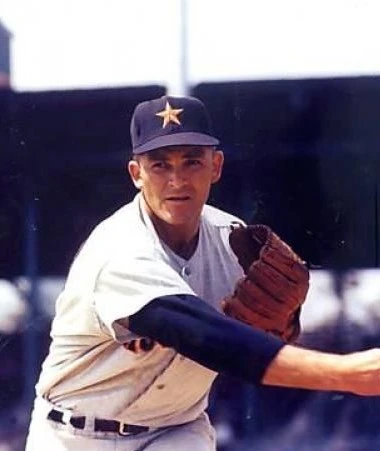


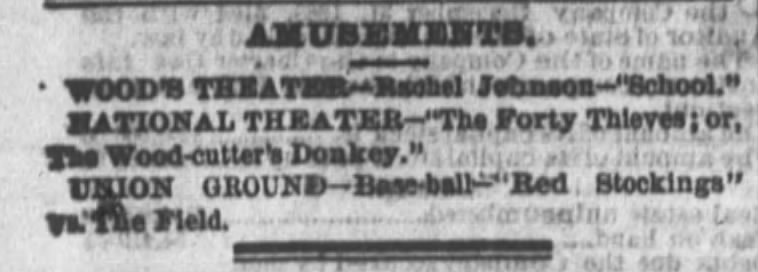


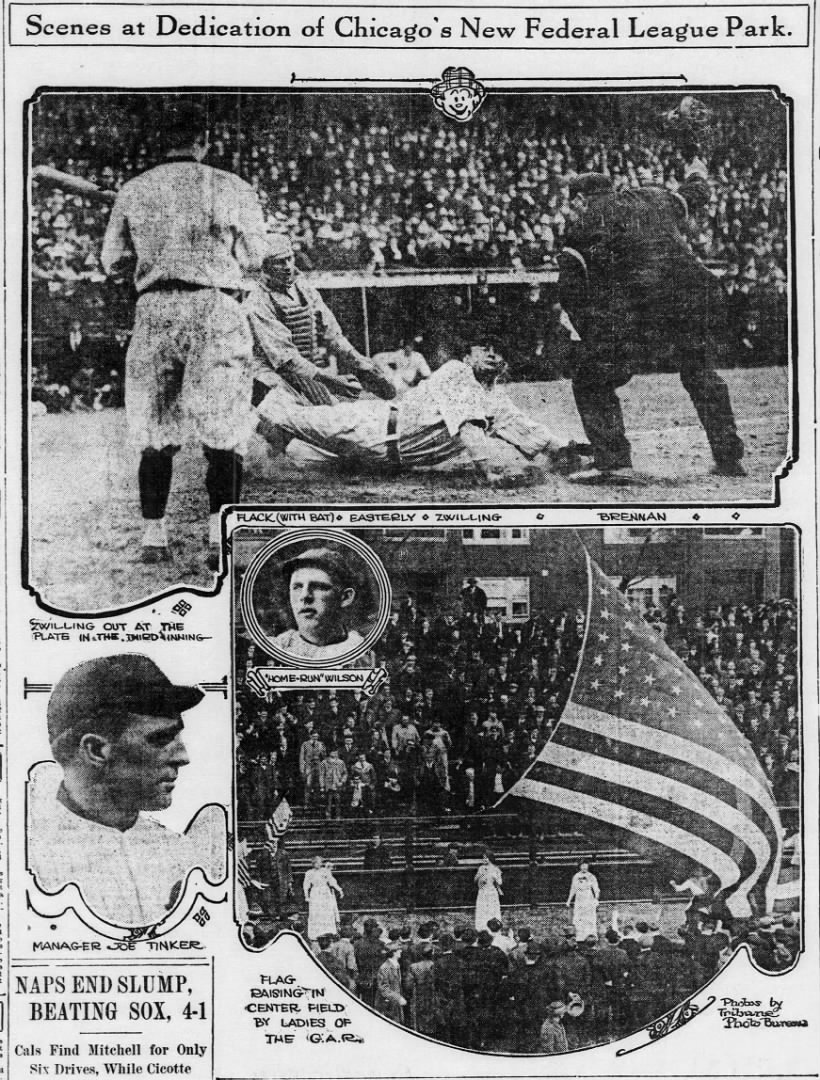


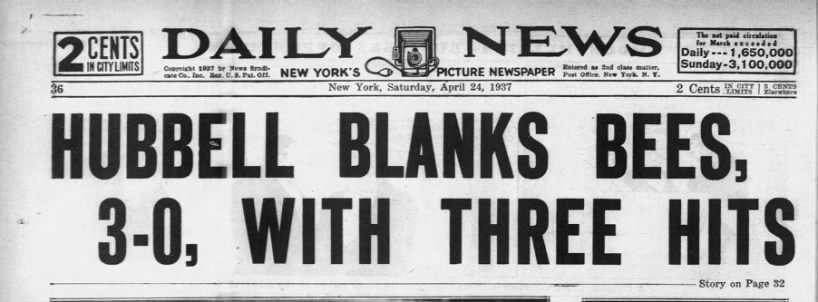
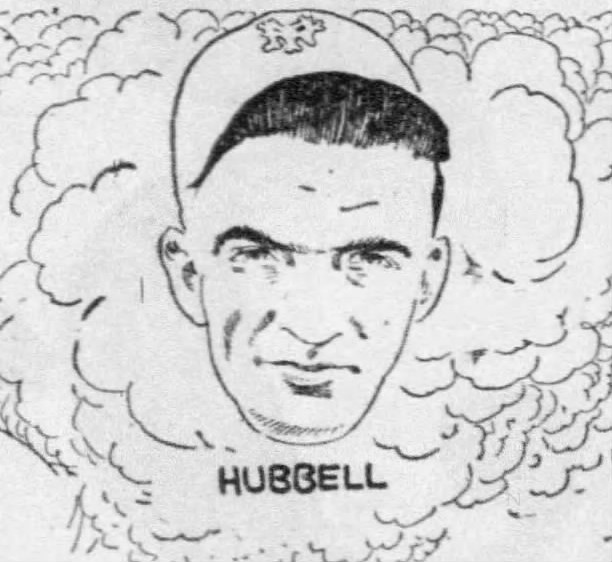
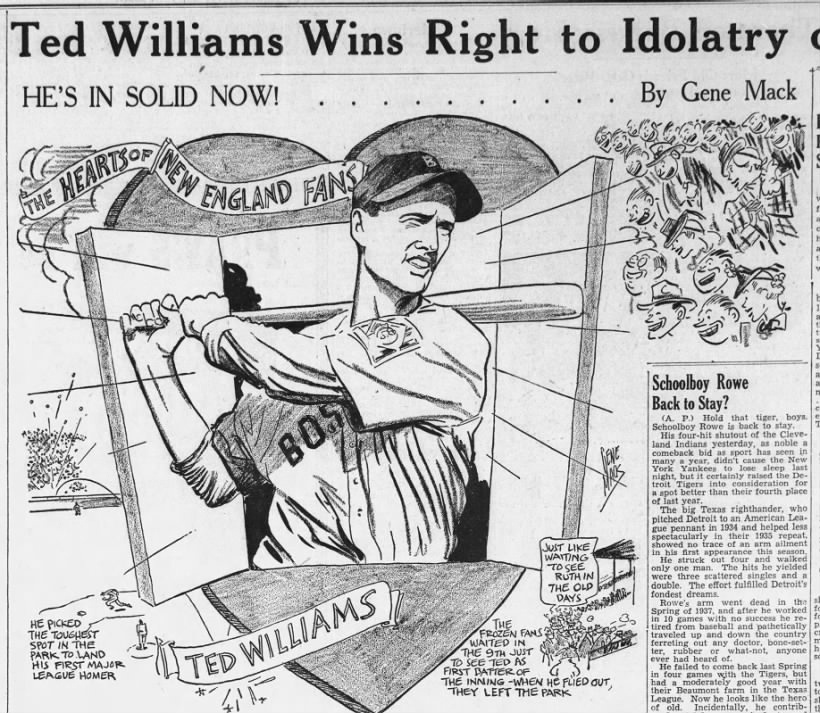






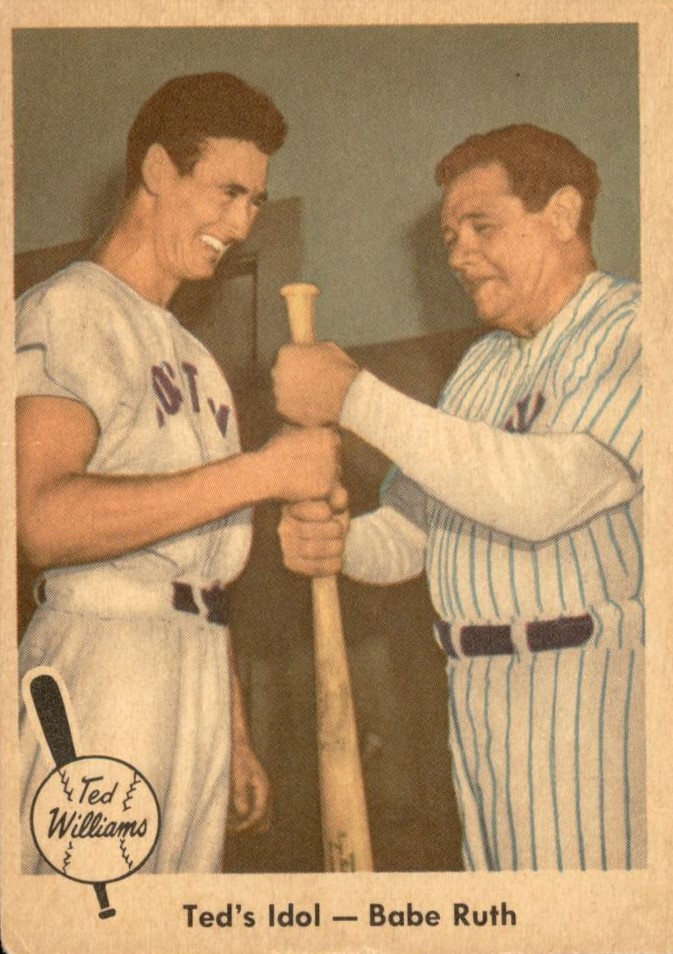

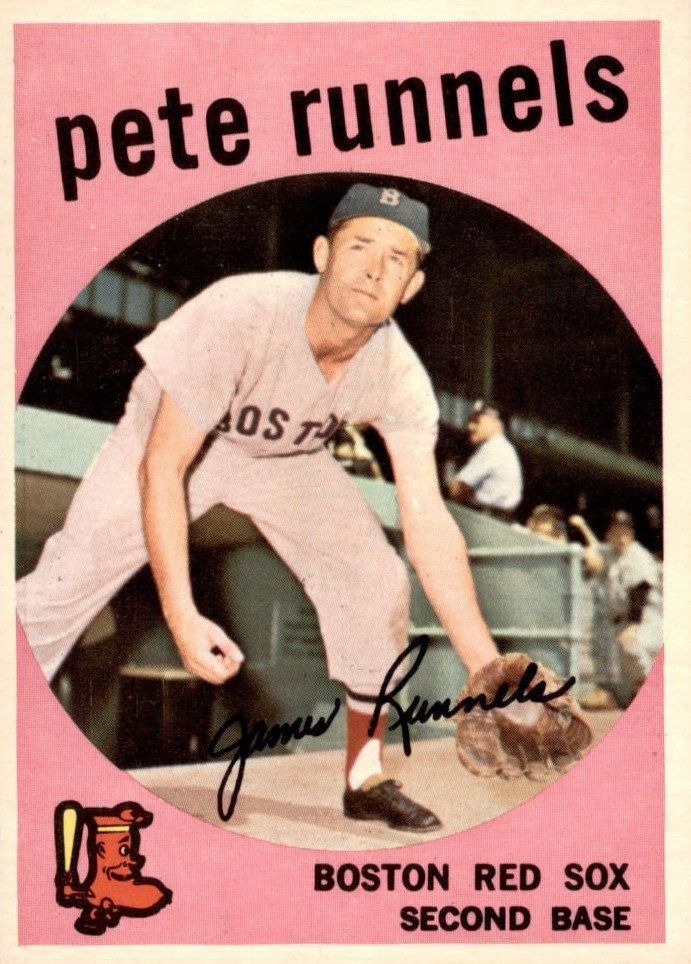


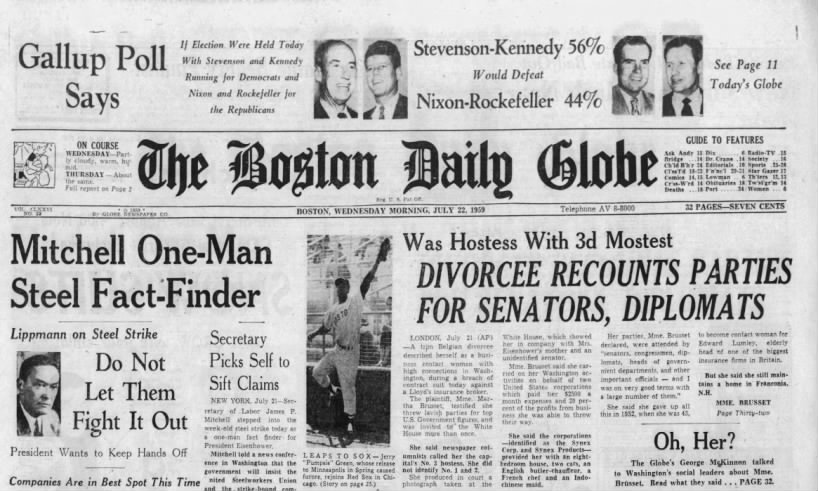
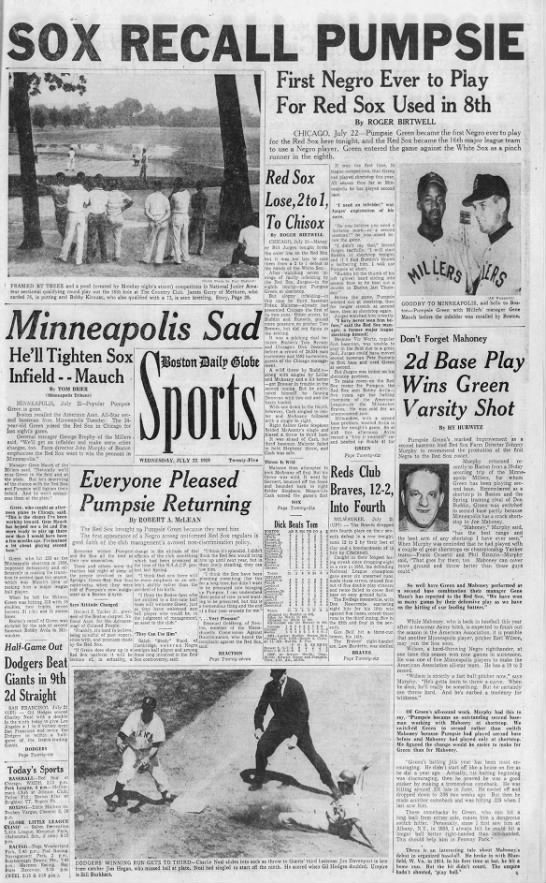
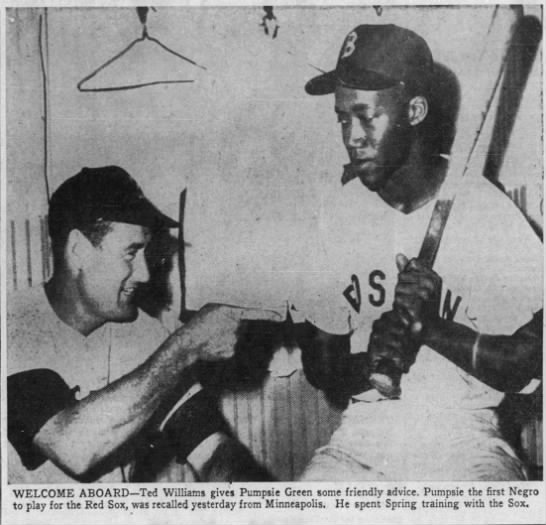
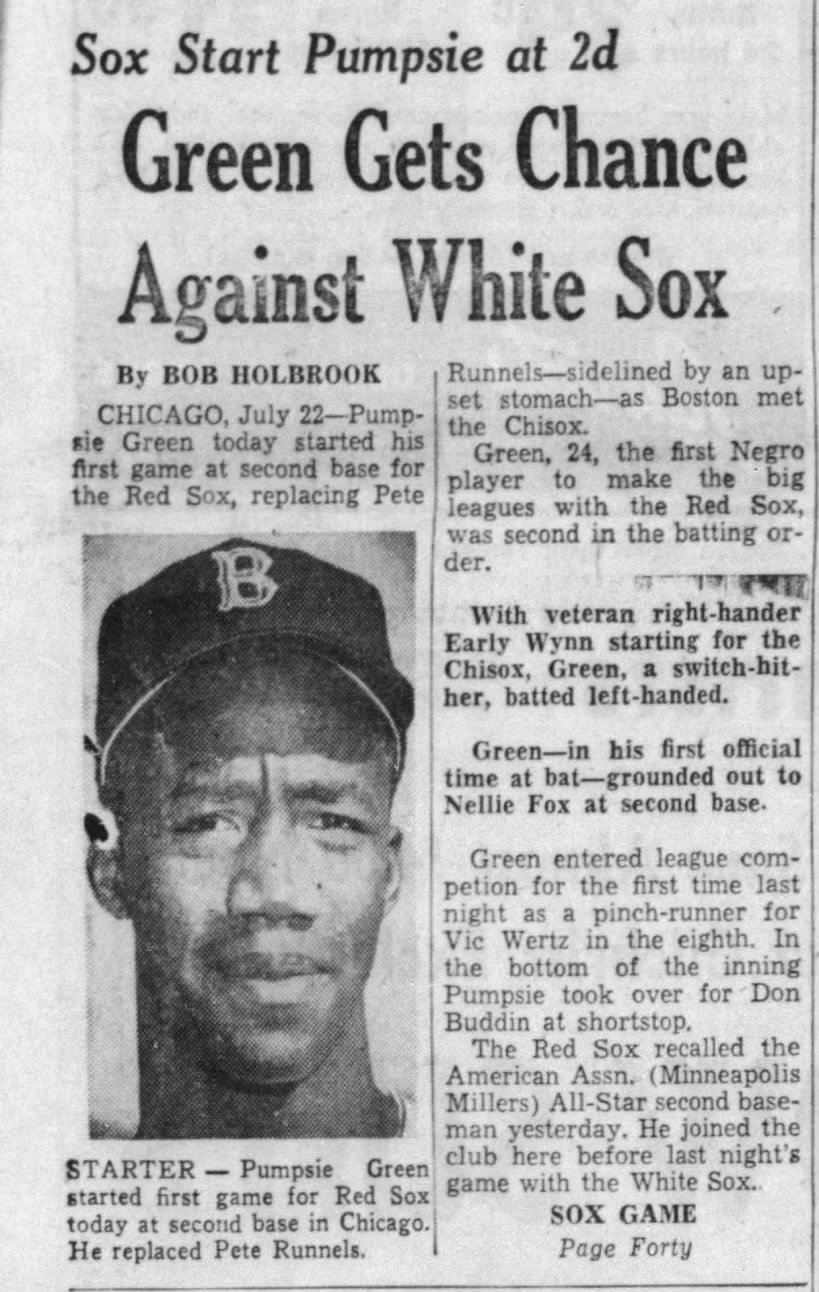
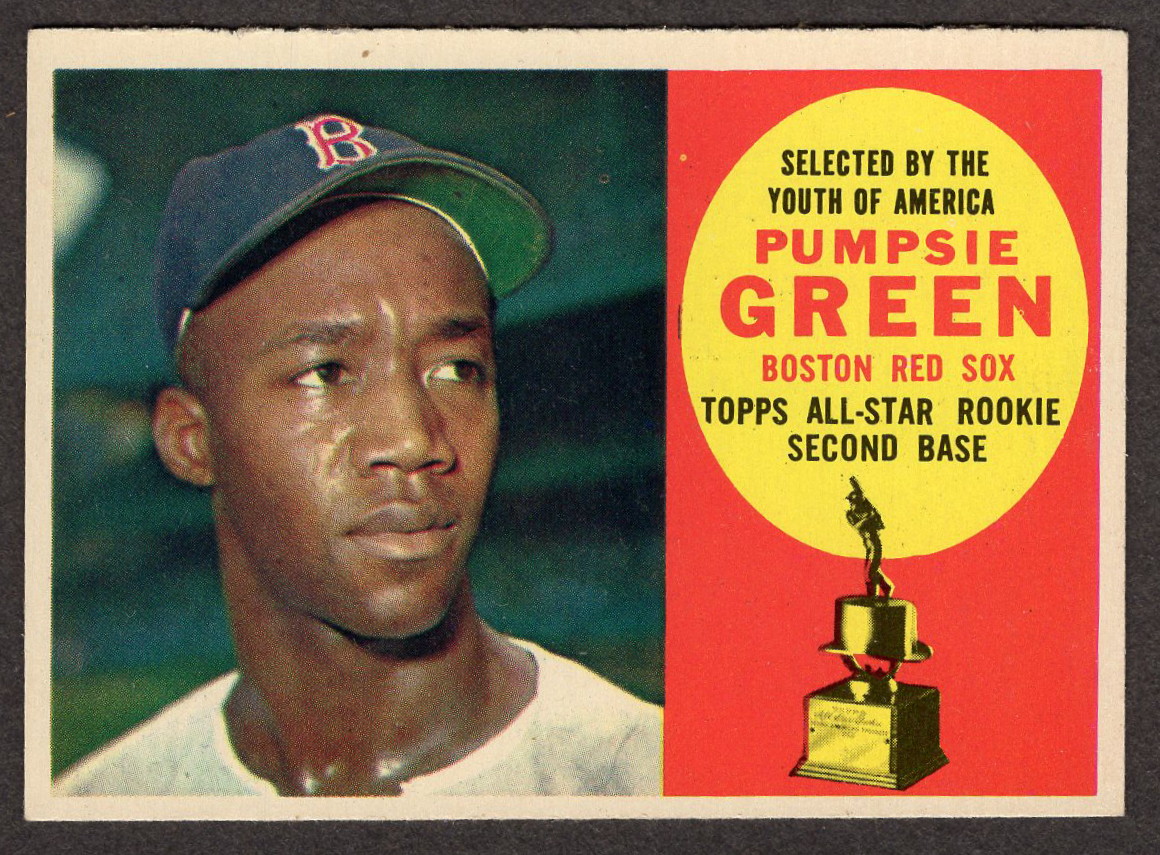

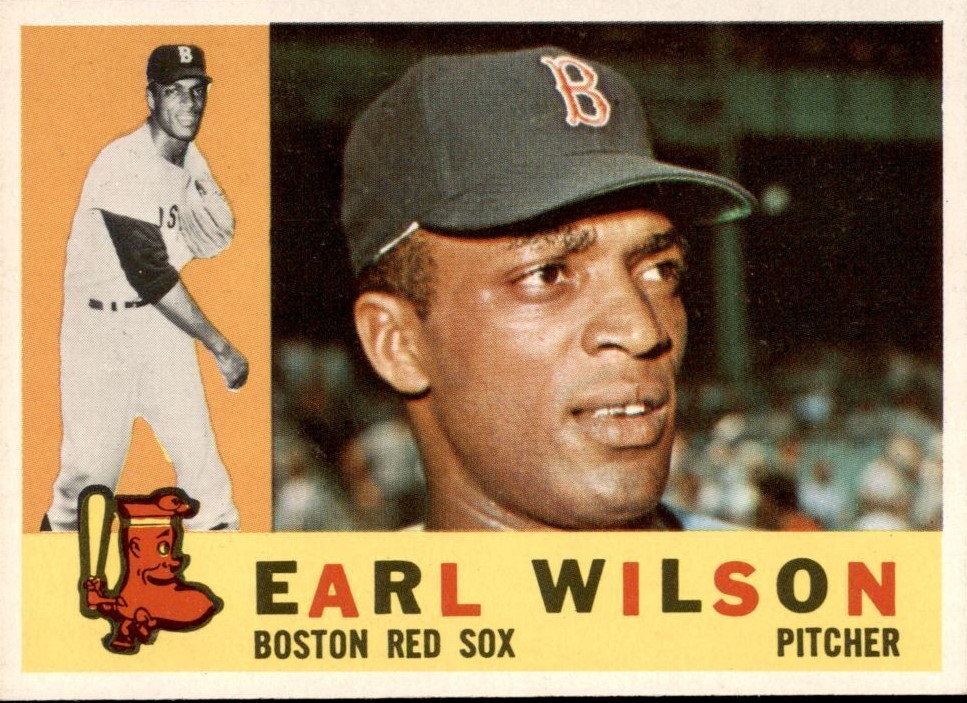


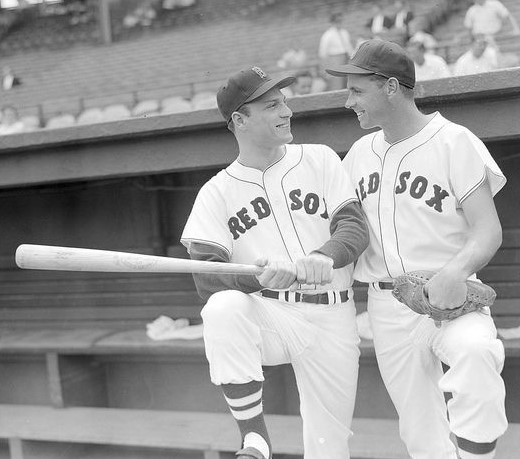


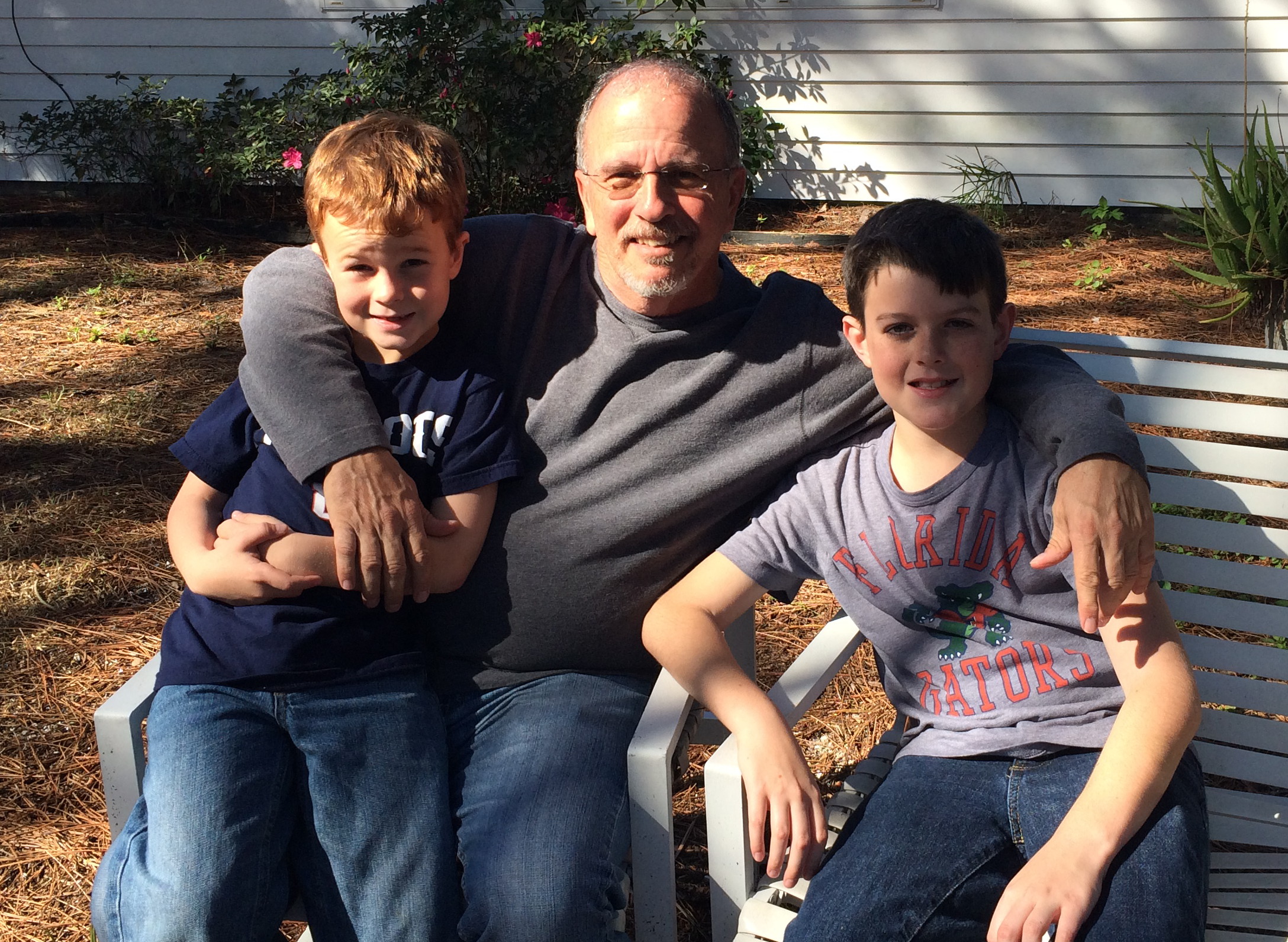





 fenwaypark100